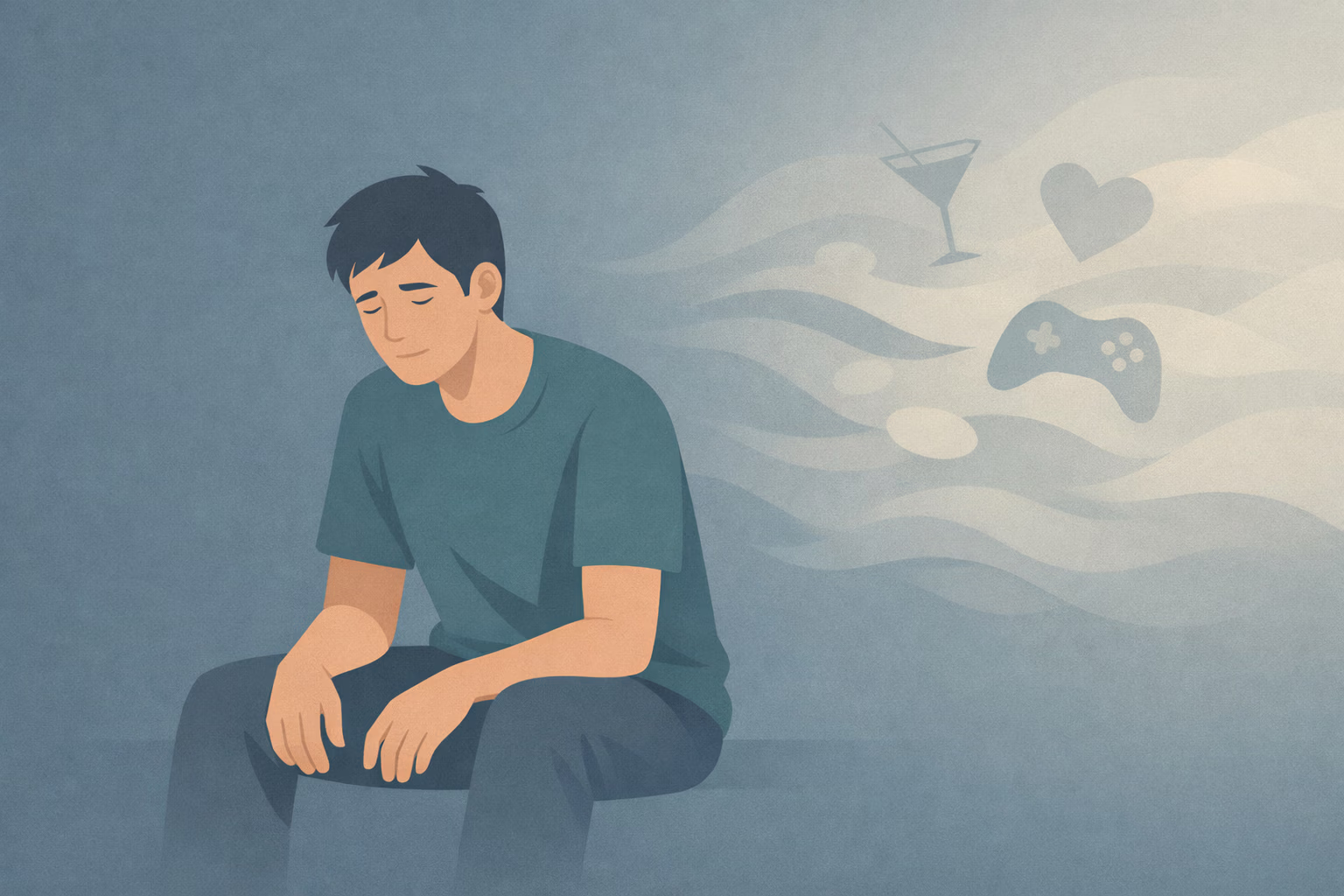
Shame Spirals After Overstimulation
Learn why overstimulation leads to shame.
In context: Relief has a “decay rate.“ Once the Threat or Pursuit loop closes, the neurochemical signal that provided the relief naturally dissolves to prepare you for the next environment. If you expect relief to be permanent, you will find yourself constantly chasing the next “spike“ to stay ahead of the decay.
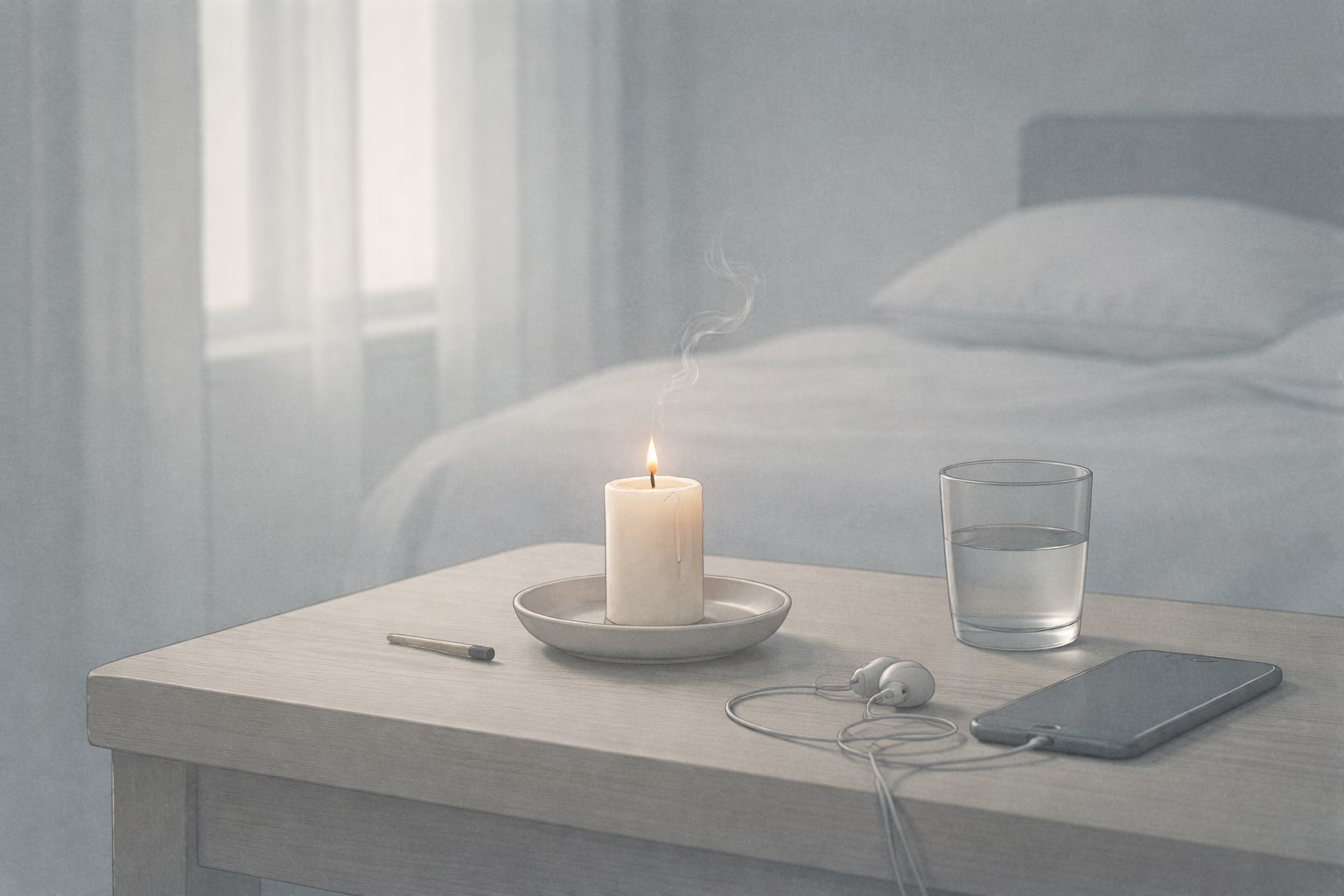
Relief appears, then shortens.
What felt easing a moment ago begins to thin.
This briefness is not your fault.
It is how stimulation behaves.
Notice the fade without reaching for another spark.
Allow the system to pass through the quiet that follows.
Understand relief decay with DojoWell.
Explore DojowellArticles exploring the psychology behind these patterns.
Relief has a "decay rate." Once the Threat or Pursuit loop closes, the neurochemical signal that provided the relief naturally dissolves to prepare you for the next environment. If you expect relief to be permanent, you will find yourself constantly chasing the next "spike" to stay ahead of the decay. Recognizing this decay helps you stop the chase and accept the return to baseline neutrality.
Awareness of the "decay cycle" is key. When you notice the relief fading, acknowledge it as a predictable structural event. Instead of immediately opening a new loop to get that feeling back, practice "staying with the fading." This builds your tolerance for interstimulus space, allowing your nervous system to fully land and integrate the previous achievement before moving to a new pursuit.
One Quiet Window, one insight, one reflection — every Sunday