The Shame Cycle: Why Addictive Behaviors Feel Impossible to Stop
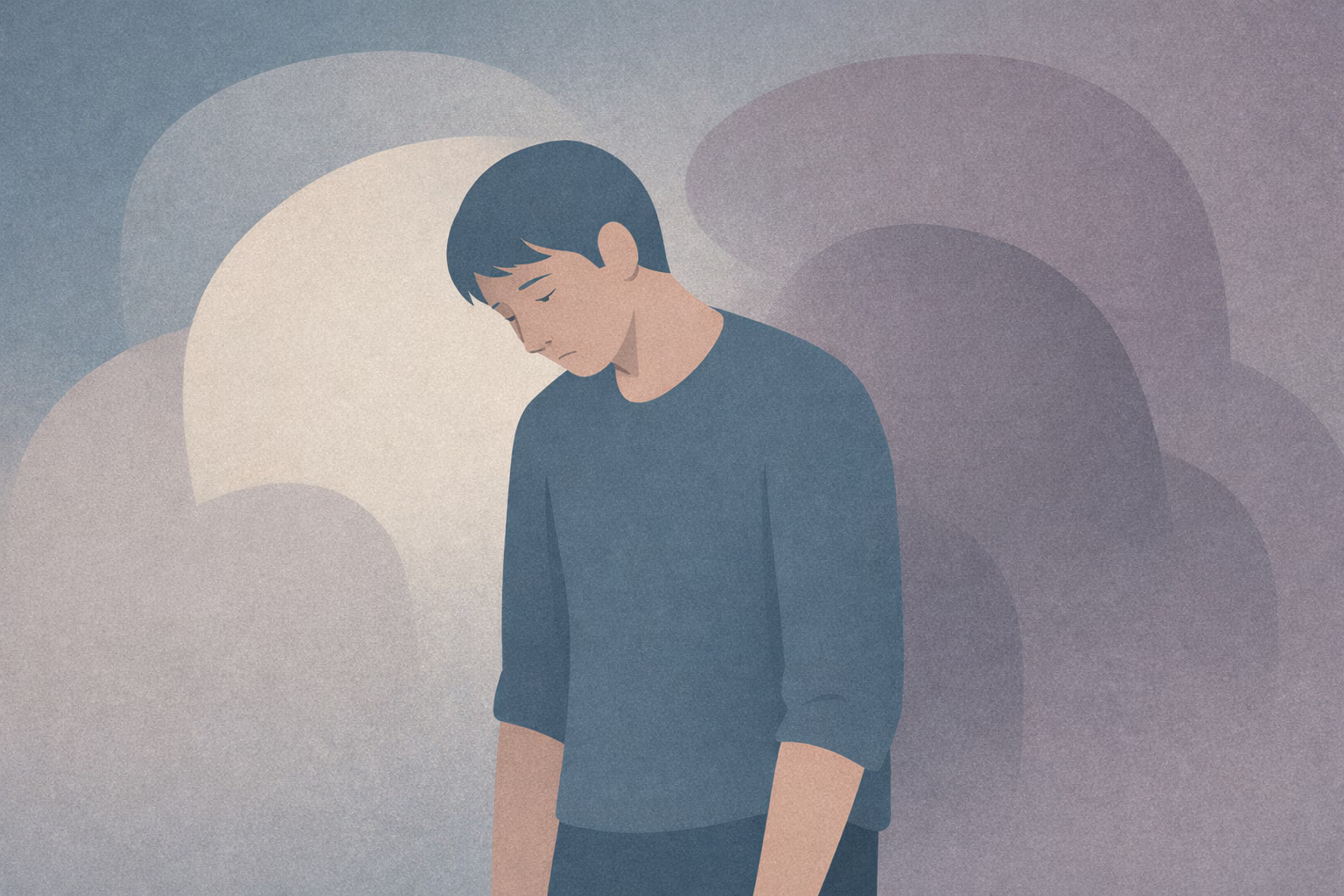
In short: Sometimes the sequence is predictable: a stretch of scrolling, shopping, snacking, gaming, porn, news, or “just one more episode.” For a moment there’s relief—quiet, focus, numbness, even a sense of being held together. And then, later, it flips.
Sometimes the sequence is predictable: a stretch of scrolling, shopping, snacking, gaming, porn, news, or “just one more episode.” For a moment there’s relief—quiet, focus, numbness, even a sense of being held together. And then, later, it flips.
The after-state can feel brutal: an inner voice that suddenly becomes sharp, a heavy sense of “what is wrong with me,” and a need to mentally review and condemn what just happened. This isn’t a personality flaw showing itself. It’s a nervous system and social system trying to regain coherence after a spike in stimulation.
Why does relief so often get followed by self-attack?
Overstimulation often works in the short term because it changes state quickly. It can mute discomfort, blur urgency, or temporarily reduce the feeling of being “too much” or “not enough.” For a little while, the system gets a break from active strain.
But when the stimulation ends, the mind and body notice what didn’t get completed: sleep didn’t happen, connection didn’t happen, the day didn’t resolve, the worry didn’t close. The contrast can land as emptiness, then as guilt or self-criticism—especially if the behavior also carries social or moral weight. [Ref-1]
The spiral can feel like a late bill arriving: not because you’re bad, but because something came due once the masking effect wore off.
After high stimulation, many people experience a downshift: reduced drive, fogginess, irritability, and a sense of flatness. That drop can make the world feel less rewarding for a while, which also makes the self feel less resourced. In that lower-capacity state, internal evaluation tends to get harsher and more absolute. [Ref-2]
At the same time, the brain’s social self-monitoring comes back online: “What did I just do?” “What does it say about me?” “Would anyone respect me if they knew?” This is not proof that you’re uniquely shame-prone. It’s a human belonging system rechecking status and safety once the distraction ends.
Under load, the system reaches for the fastest form of control available: judgment. It creates an immediate storyline—even a painful one—because a storyline is more coherent than uncertainty.
Shame is often described as a “self-focused” emotion, but it’s deeply social in its design. It functions like an alarm that says, “Something here could threaten acceptance or closeness.” In groups, that sensitivity can reduce conflict and keep people aligned with shared expectations. [Ref-3]
In modern life, that same mechanism can misfire or overfire—especially when the environment keeps generating behaviors that feel privately relieving but publicly questionable, or simply hard to explain.
Shame doesn’t mean you are shame. It means a protection system is scanning for relational risk and trying to prevent future exclusion by tightening the rules.
Shame has a paradox: it can briefly feel clarifying. After a fuzzy, overstimulated stretch, self-criticism can create structure: a clear culprit, a clear verdict, a sense that you’re taking responsibility. That momentary firmness can mimic stability. [Ref-4]
But shame’s stability is a kind of compression. It reduces a complex situation—stress load, unmet needs, depleted capacity, easy access to stimulation—into a single conclusion: “It’s me.” That conclusion is simple, and simplicity can feel like relief.
When the nervous system is taxed, the impulse is often to secure belonging quickly. Shame tries to do that by enforcing conformity from the inside, even if the cost is self-trust.
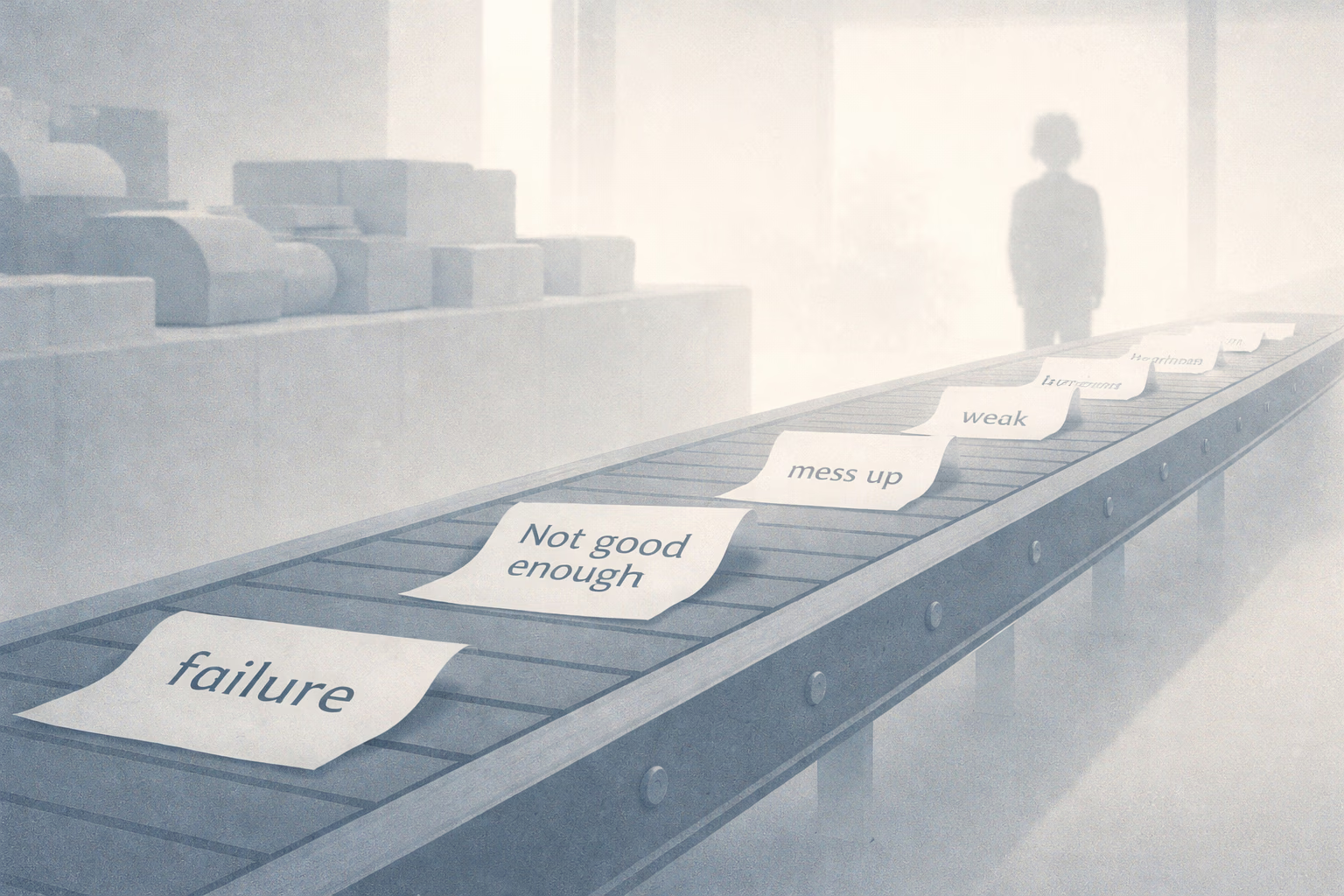
A shame spiral often masquerades as growth: “At least I’m being honest with myself.” “I deserve to feel bad so I don’t do it again.” The mind may call it accountability, but the body often experiences it as threat.
Threat states narrow attention and increase rigidity. In that narrowness, the system can mistake shutdown for control: fewer impulses, fewer risks, less spontaneity. That might look like self-improvement from the outside, while internally it’s a reduction in capacity and openness to ordinary life. [Ref-5]
Closure is different from punishment. Closure is a settling that happens when the system receives enough safety and completion signals to stand down—when the loop is done, not when the self is condemned.
Once shame enters, it often changes what feels possible. If the inner environment is hostile, ordinary reflection becomes difficult; the mind avoids itself. That avoidance isn’t mysterious—it’s structural. When evaluation feels like attack, the system learns to bypass evaluation altogether.
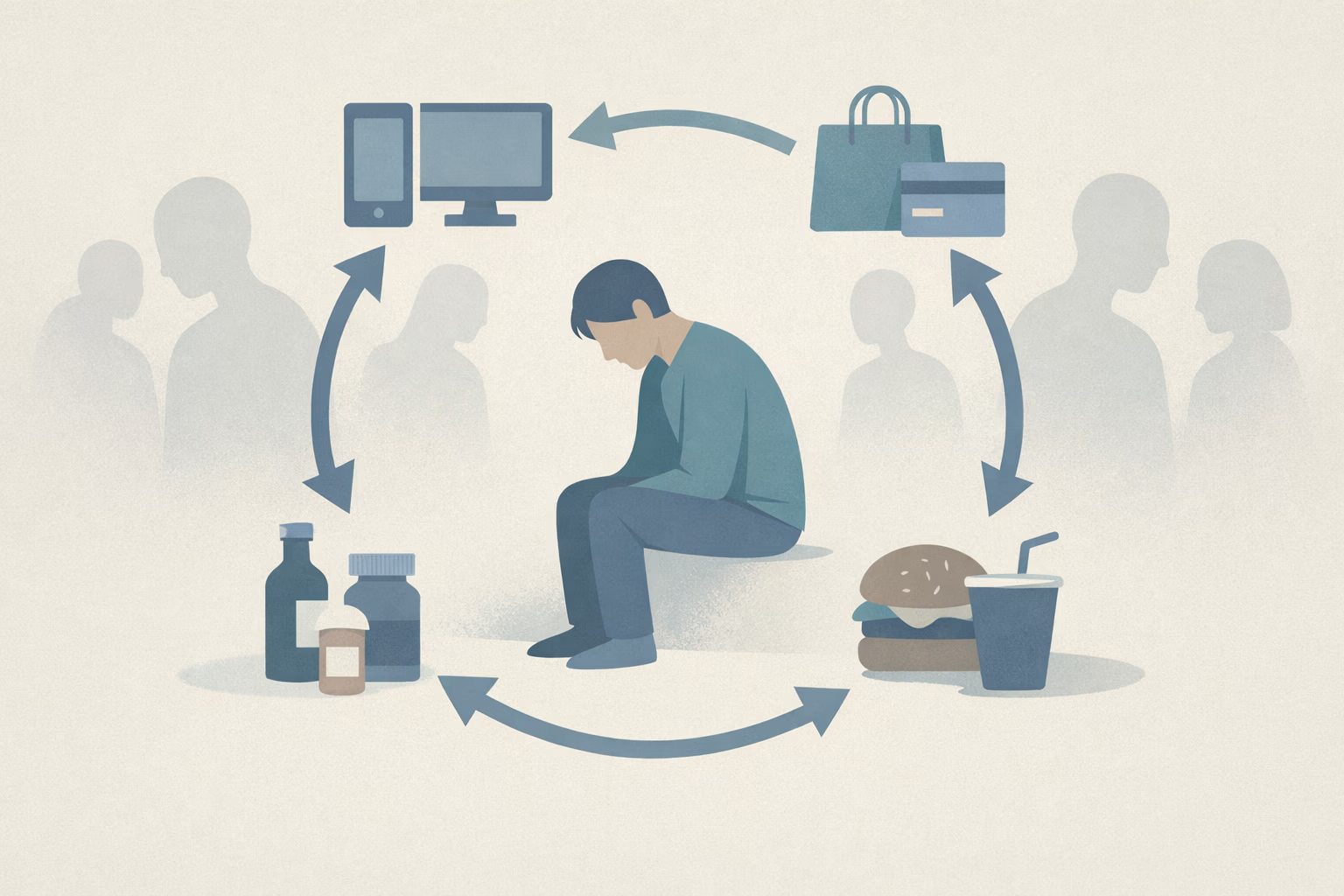
Overstimulation then becomes more likely, not less, because it offers immediate distance from the internal threat. Shame pushes the nervous system toward the very behaviors that temporarily mute shame. That circularity is what makes it a loop. [Ref-6]
The loop isn’t “you failing again.” It’s the predictable outcome of trying to restore coherence through a method (self-attack) that increases load and fragmentation.
Shame spirals often have recognizable markers. Not because you’re broken, but because nervous systems are patterned. When the loop is active, people commonly report:
These are regulatory moves—ways to reduce exposure to internal and external consequences when the system doesn’t feel able to metabolize them. In research on shame and self-criticism, compassion-oriented approaches are often discussed because threat-based self-relating tends to intensify distress rather than resolve it. [Ref-7]
When shame becomes the main “organizer” after overstimulation, it can start to erode self-trust. Not in a dramatic way, but in a slow drift: you stop believing your own promises, stop relying on your own signals, and start living in short horizons.
Identity can begin to feel fragmented—like there’s a “daytime me” and an “after-hours me,” or a “public me” and a “private me.” Keeping those selves separated takes energy. Over time, that energy cost shows up as fatigue, flatness, and a sense of being emotionally overdrawn. [Ref-8]
This isn’t a character collapse. It’s what happens when too many experiences end without completion and too many choices end with condemnation instead of coherent repair.
Shame is physiologically activating. It can bring heat, collapse, agitation, and a strong urge to hide. That distress doesn’t just sit there; it generates pressure for immediate relief.
Overstimulation is excellent at providing a fast exit from that pressure. It narrows awareness, compresses time, and temporarily replaces social pain with sensory capture. So shame increases distress, distress increases urgency, and urgency selects the quickest regulator available. The loop tightens. [Ref-9]
When your inside space feels unsafe, “anything else” can feel like the only option.
This is why willpower often loses here: the system isn’t choosing between “right and wrong.” It’s choosing between threat and momentary quiet.
Shame spirals commonly begin with evaluation happening too early—before the nervous system has stood down from the stimulation swing and before the body has regained a baseline sense of safety.
In that early window, “What does this mean about me?” tends to produce a verdict, not understanding. The brain reaches for a simple identity label because it’s faster than holding complexity. But complexity is where coherence lives: context, load, unmet needs, and the difference between relief and resolution.
When the system is steadier, reflection can become more proportionate and specific. Not more permissive—more accurate. And accuracy is often what allows a behavior to integrate into a larger story rather than becoming a secret chapter that keeps reopening. [Ref-10]
Because shame is fundamentally about belonging, it responds powerfully to cues of acceptance and safe contact—real or remembered. When the social system detects warmth, respect, and non-exile, the alarm has less reason to escalate.
This is one reason compassion-based and relational frames show up so consistently in discussions of shame: they alter the internal environment from threat to safeness, which changes what the nervous system can process without shutting down. [Ref-11]
What if the opposite of shame isn’t pride, but safety?
As shame softens, many people notice something quiet but significant: the inner atmosphere becomes less punitive. Thoughts still arrive, but they’re less like blows and more like information. The body carries less urgency to hide or self-correct in dramatic ways.
Capacity begins to return as signals become clearer. Appetite, tiredness, preference, and “enough” can register again. The nervous system isn’t being whipped toward change; it’s regaining the ability to complete cycles and stand down.
Research commonly links self-compassion with reduced shame and self-criticism, suggesting that a kinder internal stance can shift threat-based processing toward greater stability. [Ref-12]
When people move out of shame spirals, it’s rarely because they finally found the perfect rule. It’s more often because the system stopped needing emergency exits—because life became a little more coherent, a little more connected, a little less loaded.
Care-based repair means the “repair” is real: the story of what happened can be held without collapse; the person remains a person; the behavior becomes a chapter with context, not a permanent identity stamp. In many therapeutic and educational discussions, compassion is framed as an antidote to shame precisely because it supports repair without exile. [Ref-13]
Over time, coherence replaces control as the stabilizer. The loop loses momentum not through pressure, but through completion.
A shame spiral can be understood as a signal that something important is out of alignment: capacity was exceeded, a need went unanswered, a boundary got blurry, or a longing for relief got routed into stimulation because it was the most available option. In trauma-informed writing, shame is often described as a cycle that intensifies when people feel alone with their experience. [Ref-14]
Shame isn’t proof that you deserve punishment. It’s evidence that your system cares about belonging, integrity, and how your life fits together. The painful part is that shame tries to protect those things by turning against the self—creating more fragmentation in the very moment you most need coherence.
Agency tends to return when the story becomes more complete: not “I’m bad,” but “My system was overloaded, I reached for fast relief, and now I’m seeking a way back to wholeness.” That kind of meaning doesn’t hype you up. It steadies you.
It makes sense to feel worse later when the body comes down from a spike and the belonging system starts scanning for what that spike might cost. That sequence is human, not humiliating.
Shame promises improvement through pressure, but it often delivers more isolation and more urgency. Healing tends to follow a different logic: coherence, safeness, and completion. Not because you finally punished yourself correctly, but because your system no longer needs punishment to feel held together. [Ref-15]
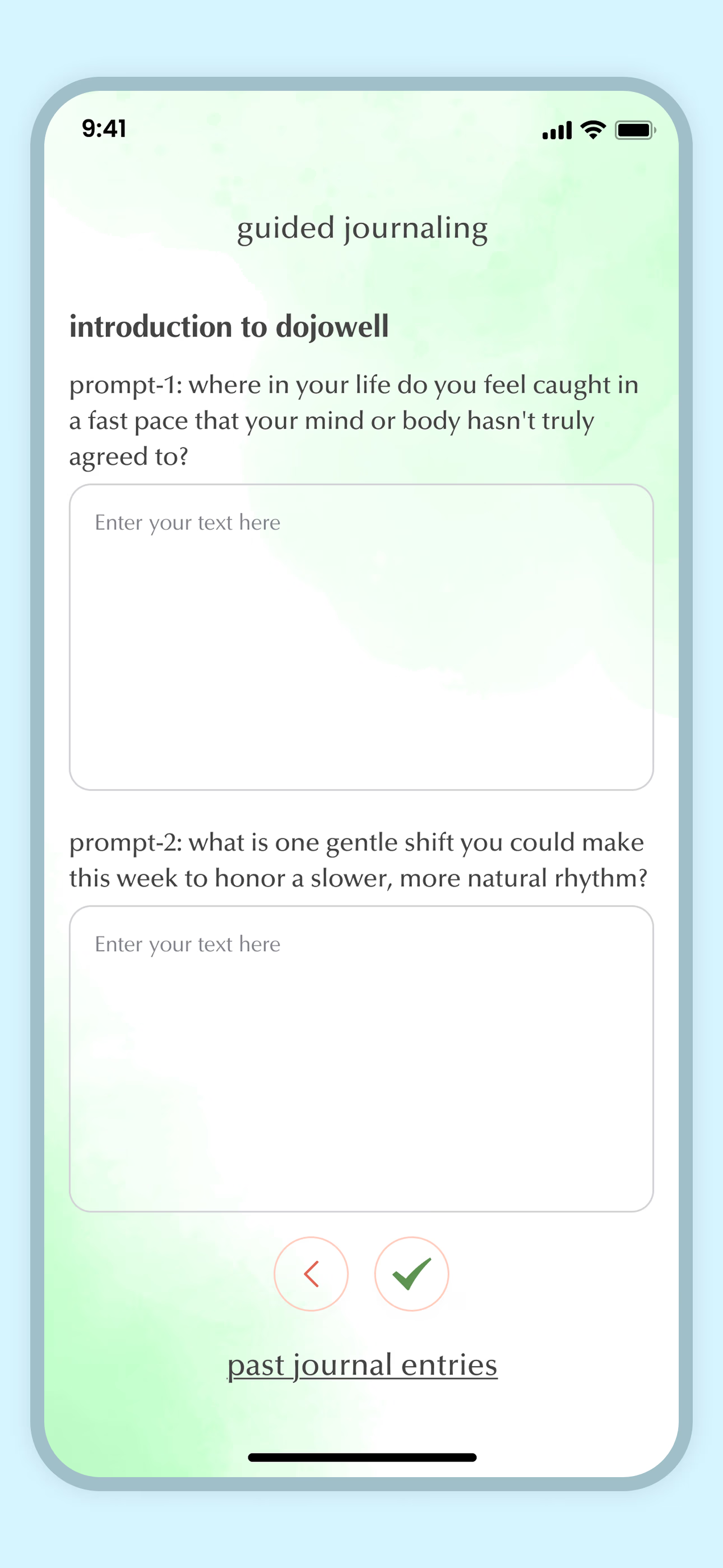
From theory to practice — meaning forms when insight meets action.
Because overstimulation works in the short term by changing state quickly — muting discomfort, blurring urgency, reducing the feeling of being too much or not enough. When the stimulation ends, the mind notices what didn't get completed: sleep didn't happen, connection didn't happen, the day didn't resolve. The contrast lands as emptiness, then as guilt, especially if the behavior carried social weight. The crash isn't just chemical; the brain's social self-monitoring comes back online and rechecks status. In a lower-capacity state, internal evaluation gets harsher and more absolute. Judgment is the fastest form of control available, even when it's painful.
Belonging. Shame is often described as self-focused, but it's deeply social in design — an alarm that says something here could threaten acceptance or closeness. In groups, that sensitivity reduces conflict and keeps people aligned. It's a Threat & Safety System protecting the Attachment & Belonging System. In modern life, that mechanism can misfire — especially when the environment generates behaviors that feel privately relieving but publicly hard to explain. Shame doesn't mean you are shame. It means a protection system is scanning for relational risk and trying to prevent future exclusion by tightening the rules from the inside, even at the cost of self-trust.
Once shame enters, the inner environment becomes hostile, and ordinary reflection becomes difficult — the mind avoids itself. That avoidance isn't mysterious; it's structural. When evaluation feels like attack, the system learns to bypass evaluation altogether. Overstimulation then becomes more likely, not less, because it offers immediate distance from the internal threat. Shame pushes the nervous system toward the very behaviors that temporarily mute shame. That circularity is what makes it a loop. The Avoidance Loop here isn't you failing again — it's the predictable outcome of trying to restore coherence through self-attack, which increases load and fragmentation.
Because shame is fundamentally about belonging, and it responds powerfully to cues of acceptance and safe contact. When the social system detects warmth, respect, and non-exile — real or remembered — the alarm has less reason to escalate. Threat-based self-relating tends to intensify distress rather than resolve it; care-based repair lets the story of what happened be held without collapse. The behavior becomes a chapter with context, not a permanent identity stamp. Coherence replaces control as the stabilizer. The opposite of shame isn't pride — it's safety. Recovery isn't finding the perfect rule. It's the system no longer needing emergency exits.
From Science to Art.
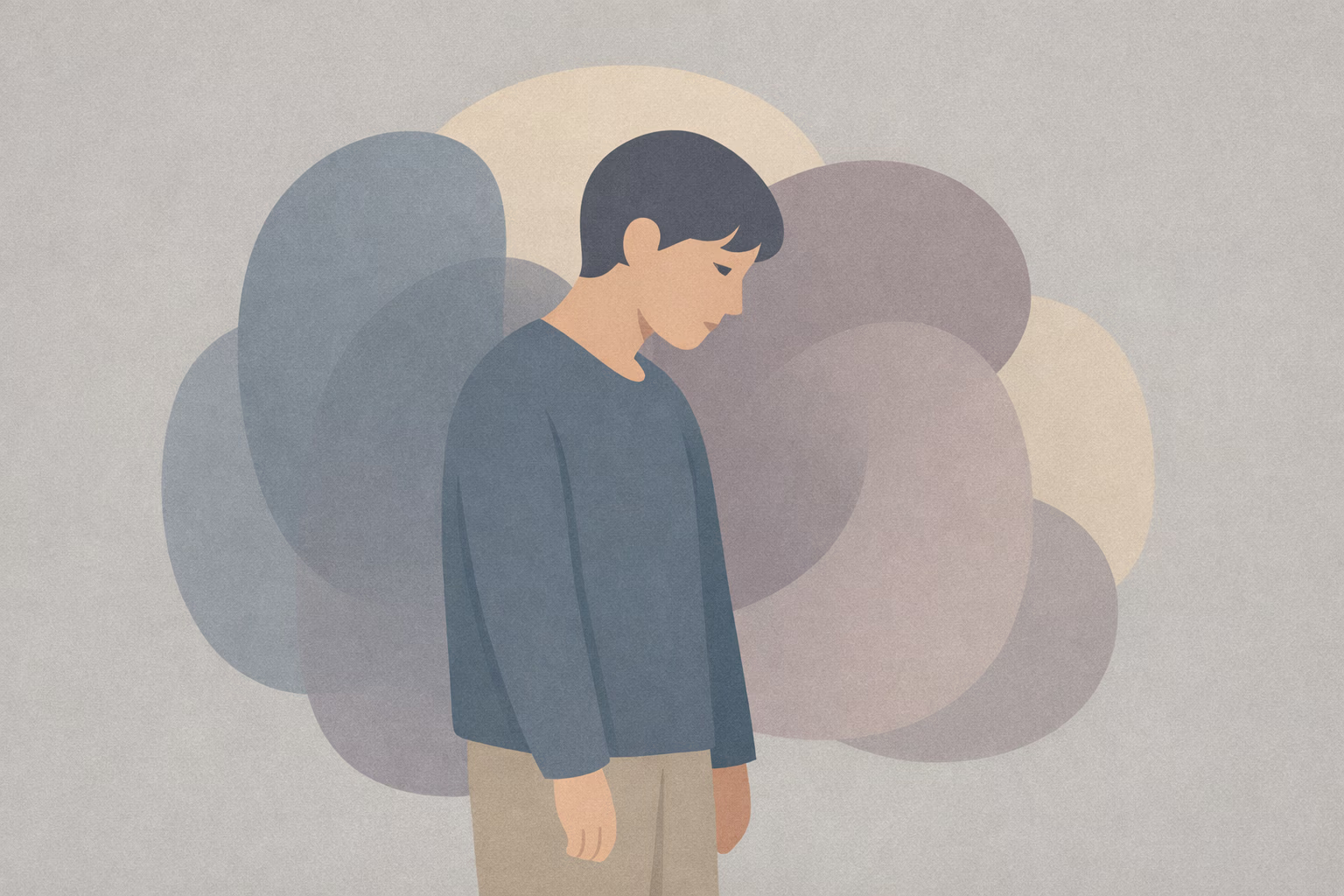
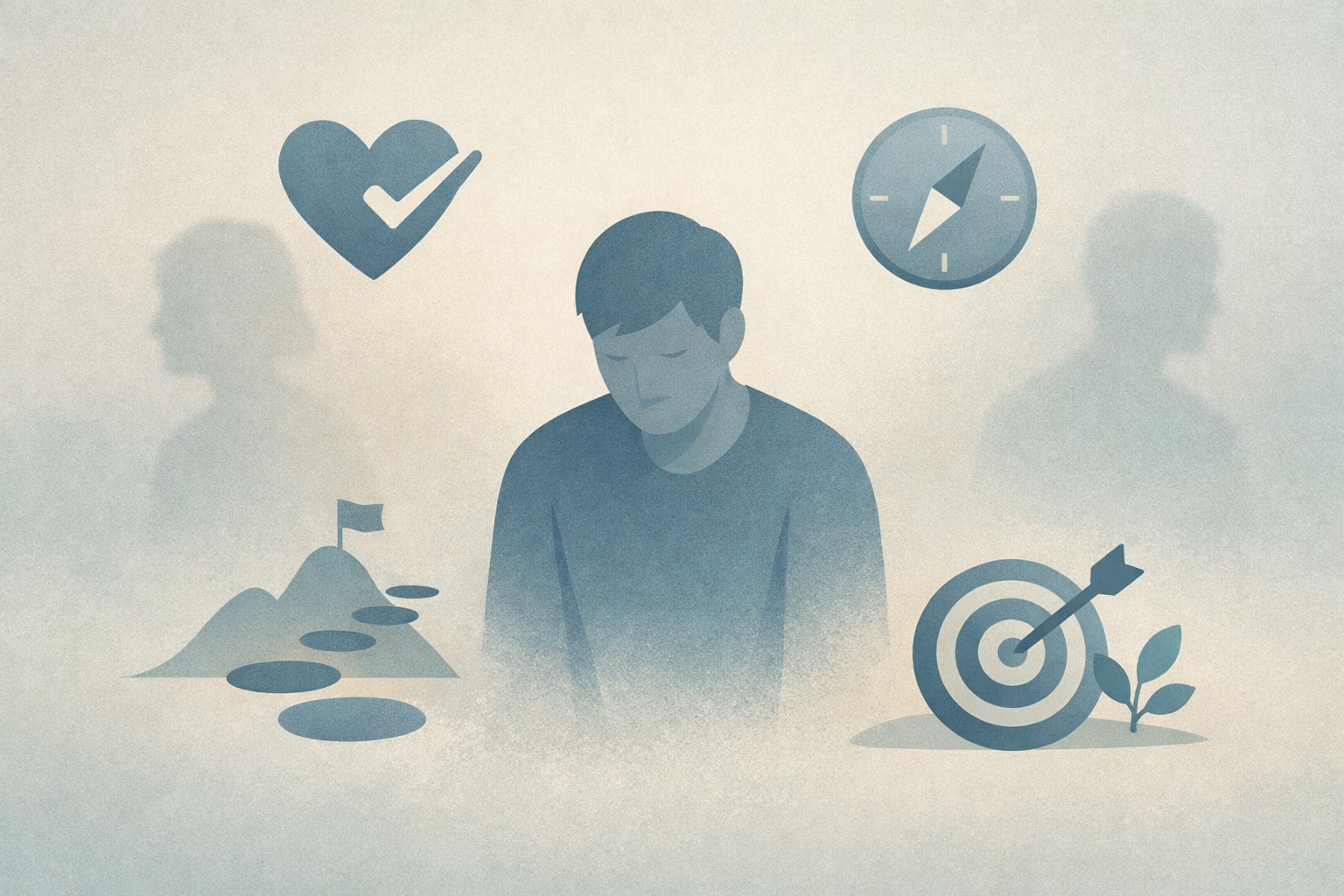
Understanding explains what is happening. Art allows you to feel it—without fixing, judging, or naming. Pause here. Let the images work quietly. Sometimes meaning settles before words do.
One Quiet Window, one insight, one reflection — every Sunday