

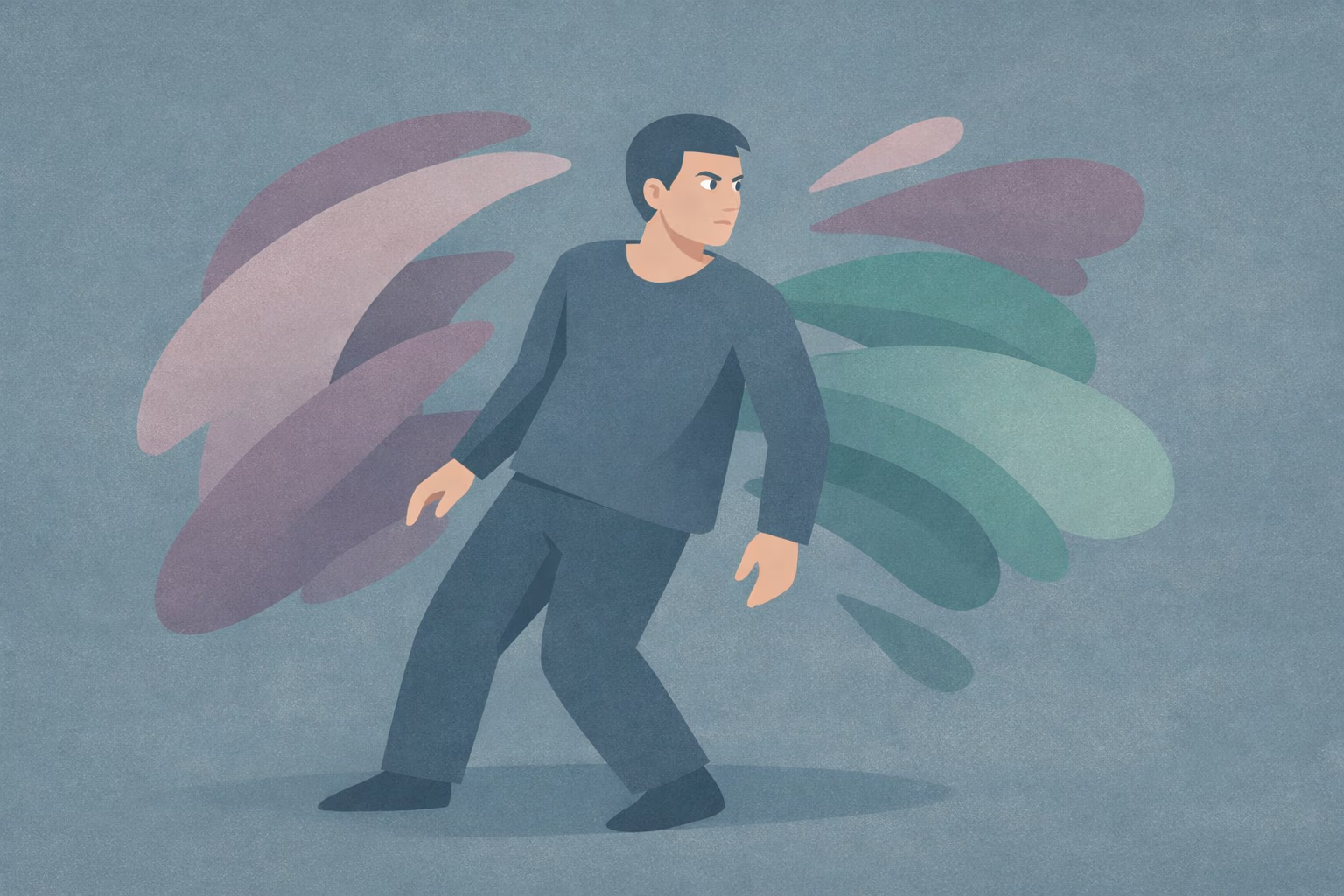
Emotional Reactivity & Behavioral Hijack
Discover why your emotions take over and how to build space before reacting.
In context: This is “Automatic Self-Critique“—a high-velocity loop where the evaluation happens simultaneously with the action. It ruins your Contiguous Attention and prevents any sense of flow. Recognizing it as an automatic reflex—like a sneeze—removes the shame. It's not a “choice“ you are making; it's a motor-habit of the Status system.
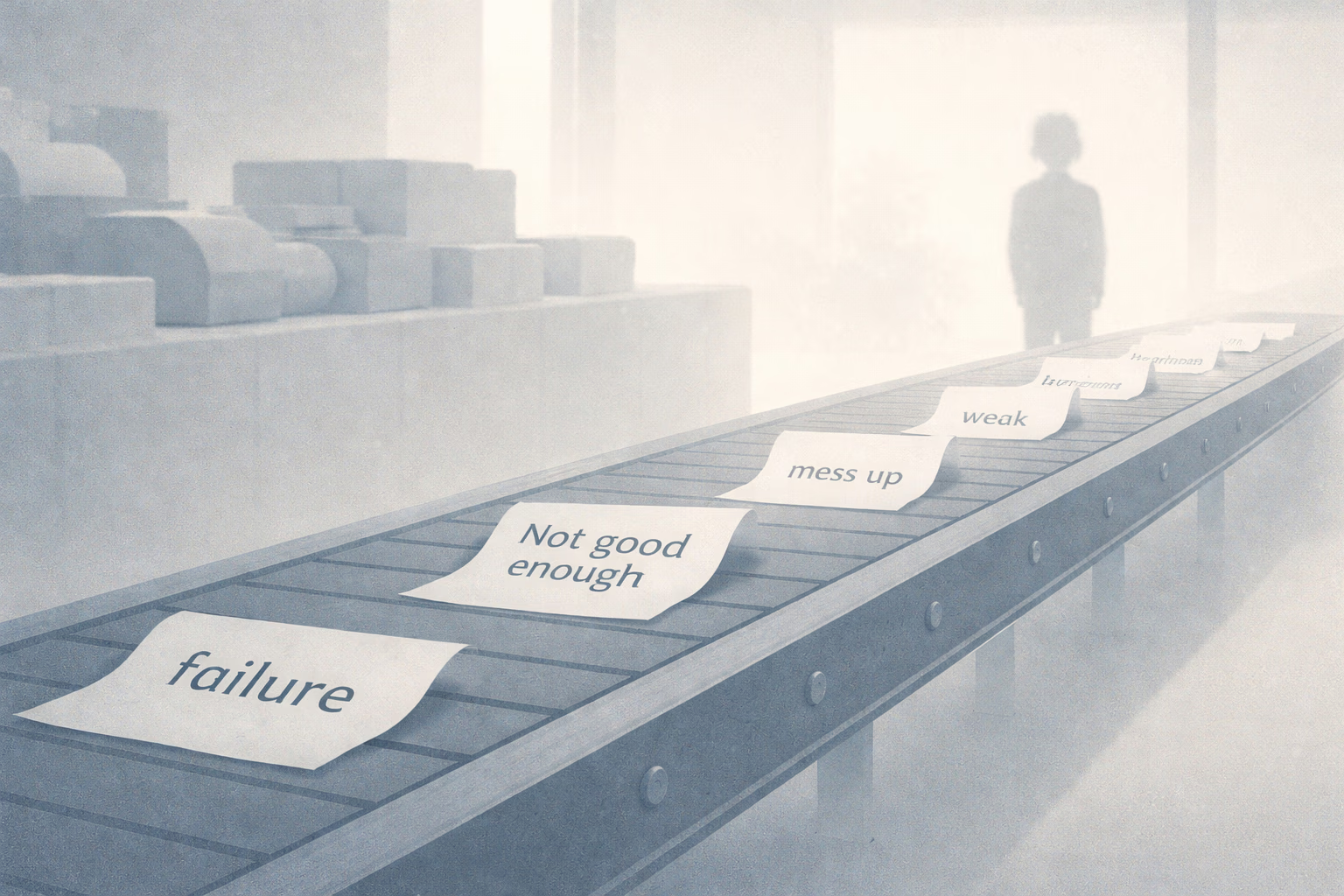
When self-critique feels automatic, words arrive before choice.
The conveyor belt moves steadily, delivering judgments without pause.
This automation once reduced uncertainty.
Naming it restores the possibility of interruption.
Identify automatic self-critique with DojoWell.
Explore DojowellArticles exploring the psychology behind these patterns.
Discover why your emotions take over and how to build space before reacting.
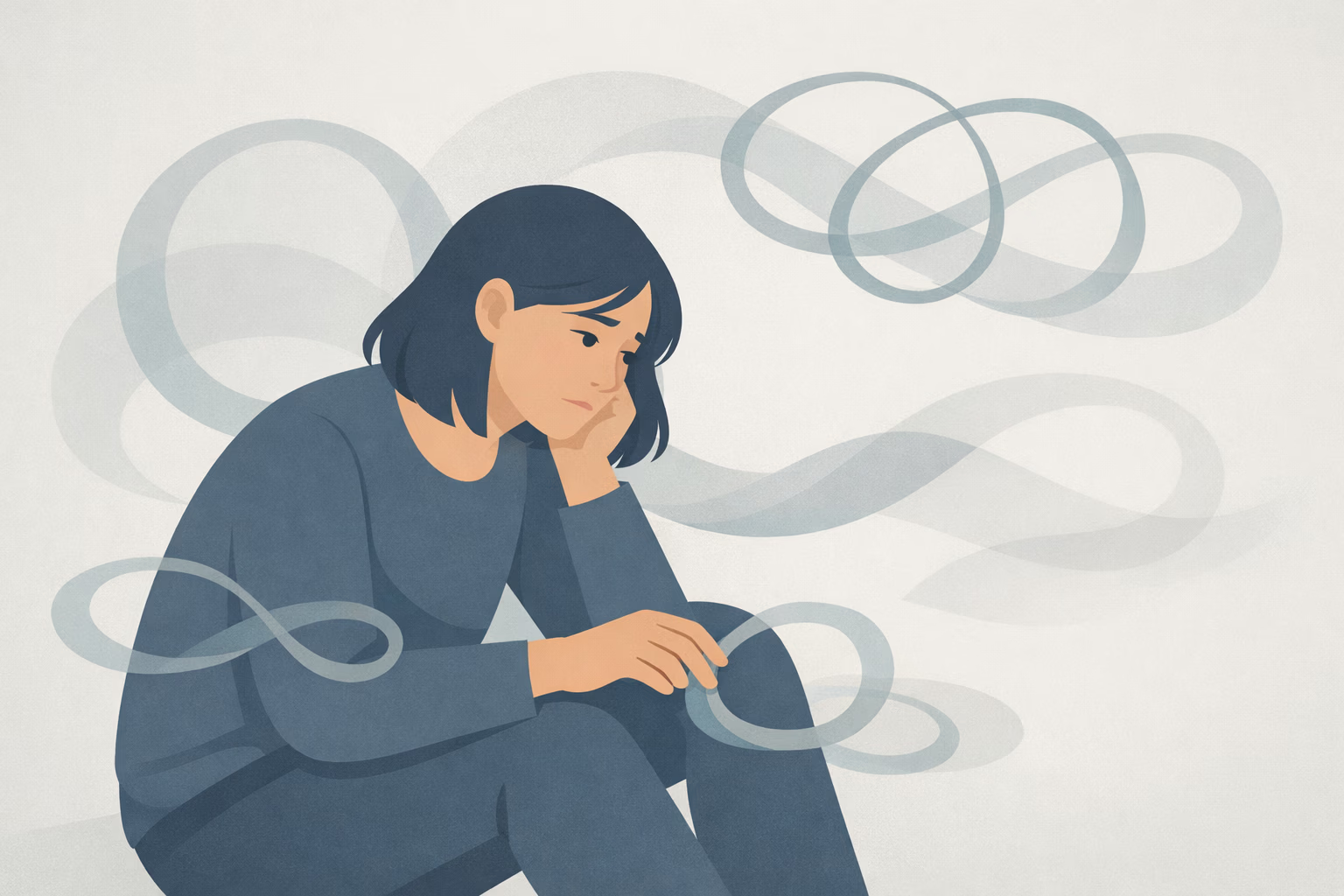
Discover why overthinking spirals happen and how to quiet them.

Learn the components of emotional maturity and how it evolves.
This is "Automatic Self-Critique"—a high-velocity loop where the evaluation happens simultaneously with the action. It ruins your Contiguous Attention and prevents any sense of flow. Recognizing it as an automatic reflex—like a sneeze—removes the shame. It’s not a "choice" you are making; it’s a motor-habit of the Status system. Naming it as "automatic" helps you ignore it and stay with the task.
Focus on the "physical resistance" of the task. If you're writing, feel the keys; if you're walking, feel your feet. By anchoring in "High-Density Sensory Data," you create a firewall against the "low-density" critique. Let the critique happen in the background like a radio you didn't turn on. Your job isn't to stop the critique, but to remain "physically present" until the loop of the task actually finishes.
One Quiet Window, one insight, one reflection — every Sunday