

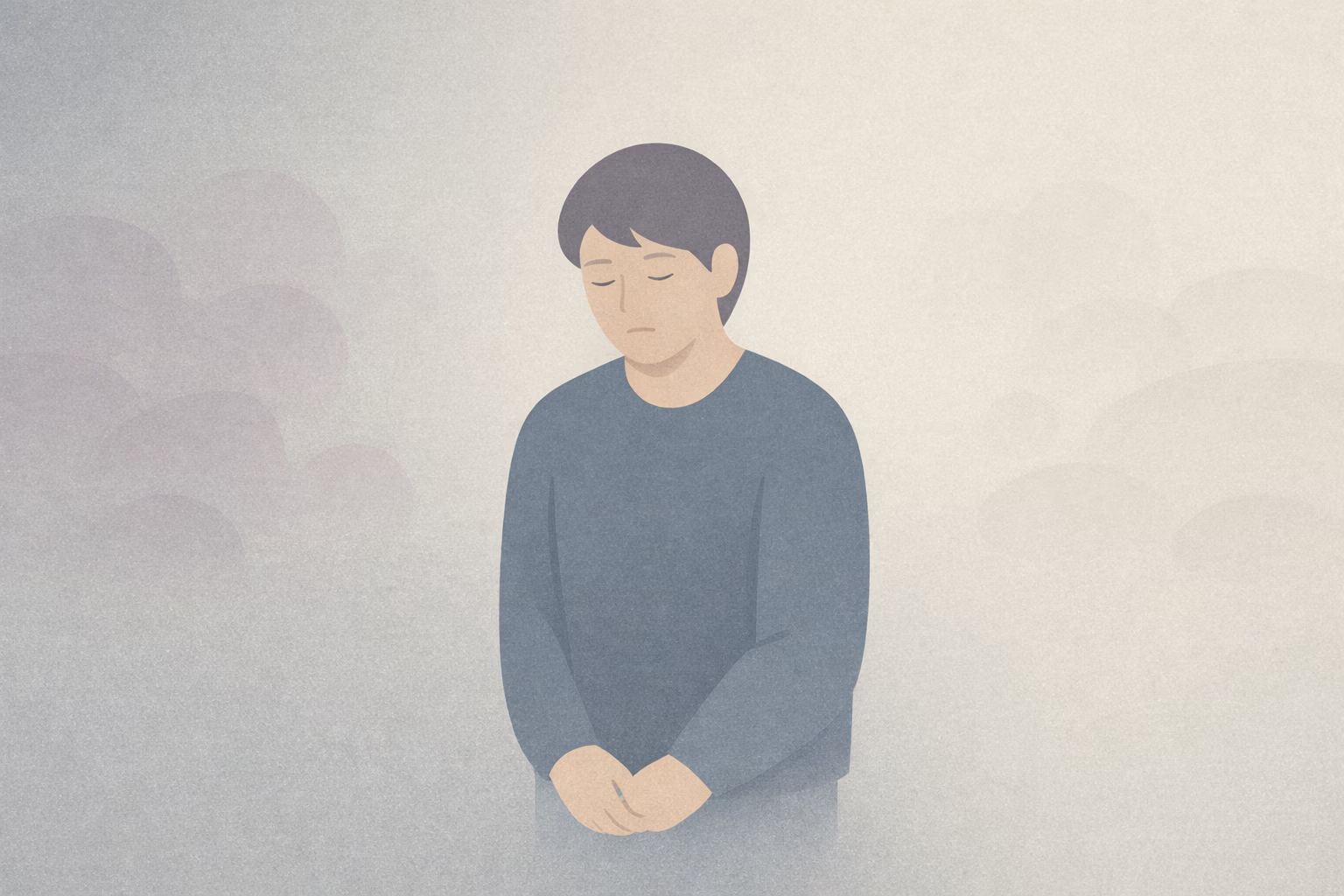
Psychological Withdrawal From Overstimulation
Learn why overstimulation withdrawal mimics depressive symptoms.
In context: When stimulation “stops landing,“ it means your integration capacity is full. Your Narrative system has no more room to file away new experiences, so it simply stops processing them. The input goes in, but it doesn't “touch“ your sense of self. This is a structural non-response.

Stimulation no longer lands.
It touches, then slips away without imprint.
This non-response is the system protecting itself.
Seeing it clearly prevents forceful escalation.
Recognize non-response with DojoWell.
Explore DojowellArticles exploring the psychology behind these patterns.
Learn why overstimulation withdrawal mimics depressive symptoms.
Understand dopamine withdrawal and how overstimulation causes emotional crashes.
Understand emotional exhaustion and how to rebuild capacity.
When stimulation "stops landing," it means your integration capacity is full. Your Narrative system has no more room to file away new experiences, so it simply stops processing them. The input goes in, but it doesn't "touch" your sense of self. This is a structural non-response. It’s your body’s way of saying "no more" until the current backlog of unfinished life is cleared through settlement and rest.
Stop trying to "feel" more. Trying to force an emotional landing only increases the pressure on an already full system. Instead, honor the non-response. Say, "I am full right now." Move into a period of "non-doing." As you allow your previous experiences to settle and your nervous system to de-activate, you will naturally find that your capacity to be "touched" by the world returns on its own terms.
One Quiet Window, one insight, one reflection — every Sunday