

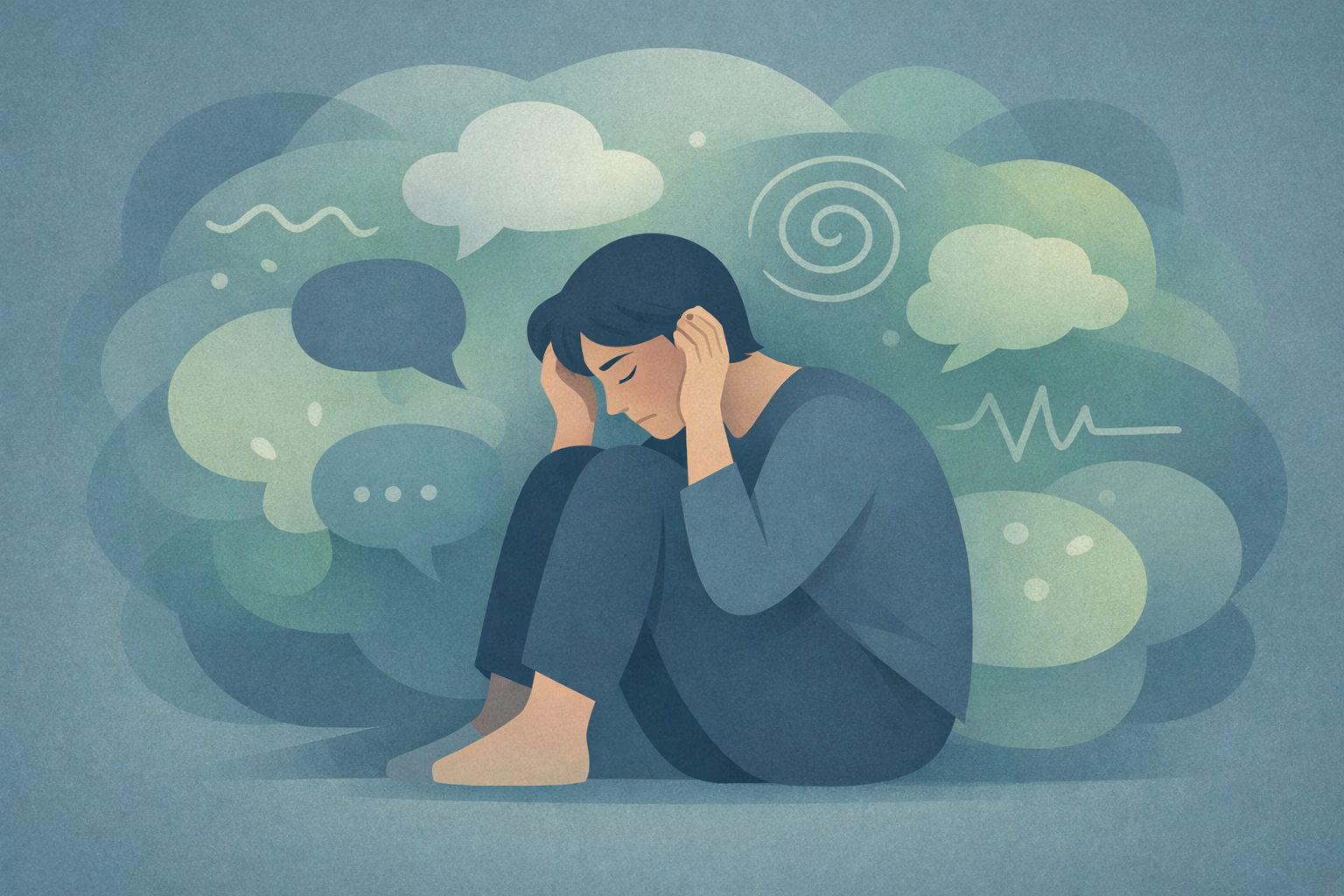
Emotional Numbness & Disconnection
Discover why emotional numbness happens and how your nervous system protects you by shutting down under chronic stress.
In context: You are caught in an “Urgency Loop“ where the Threat system treats every task like a life-or-death emergency. In the Meaning Density Model™, urgency collapses time and prevents experiences from “landing.“ By recognizing that “The moment isn't an emergency,“ you restore the “Temporal Margin“ needed for regulation.
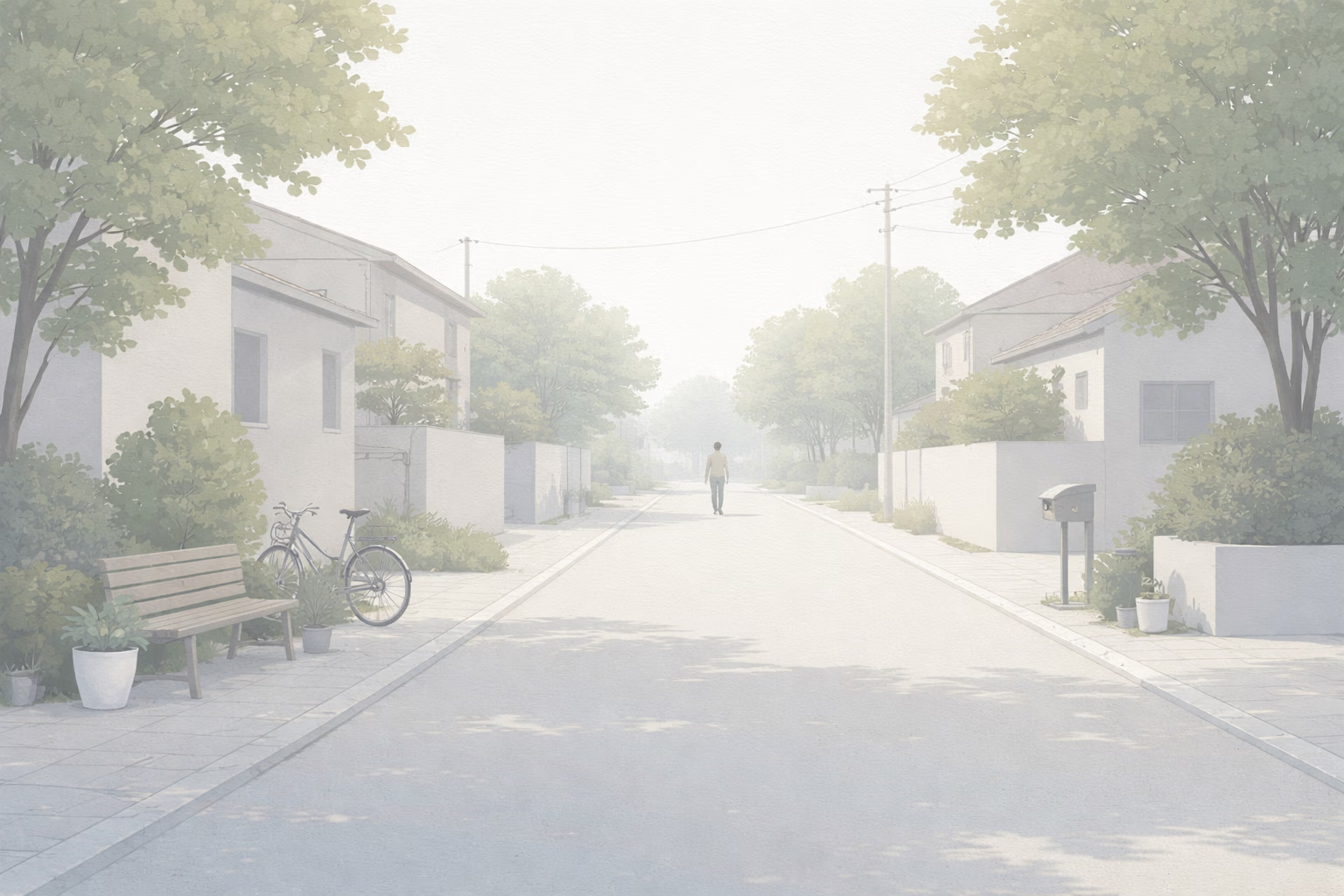
This moment is not an emergency.
Nothing is unfolding that requires immediate action.
Lowering urgency does not deny life— it clarifies it.
The body often reacts out of habit, not necessity.
Naming the absence of threat allows the system to reset its scale.
You can stay present without bracing.
Calm arrives when the body learns that now is ordinary, not critical.
Reduce urgency gently with DojoWell.
Explore DojowellArticles exploring the psychology behind these patterns.
Discover why emotional numbness happens and how your nervous system protects you by shutting down under chronic stress.
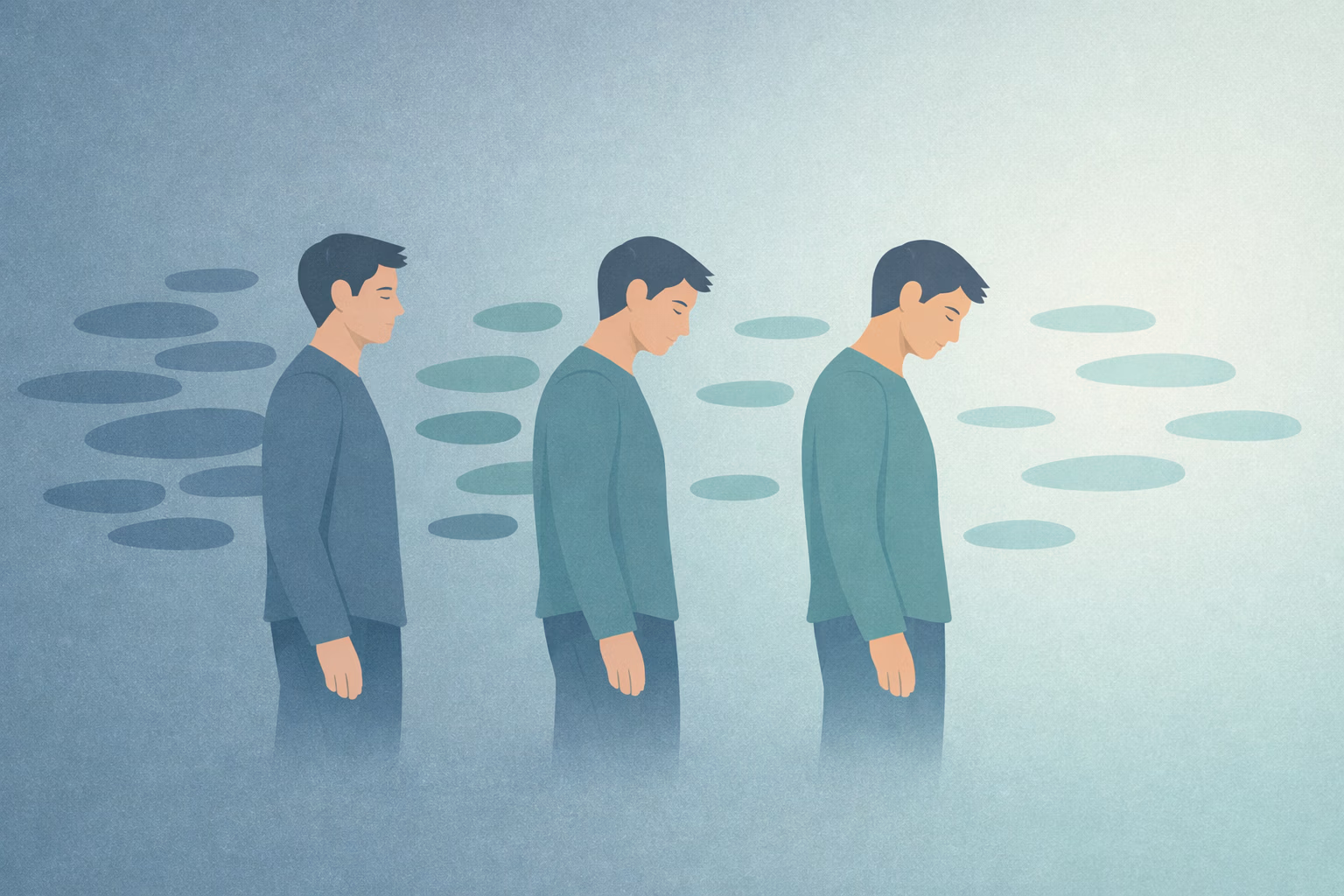
Learn how gradual stress downshifting restores emotional balance.
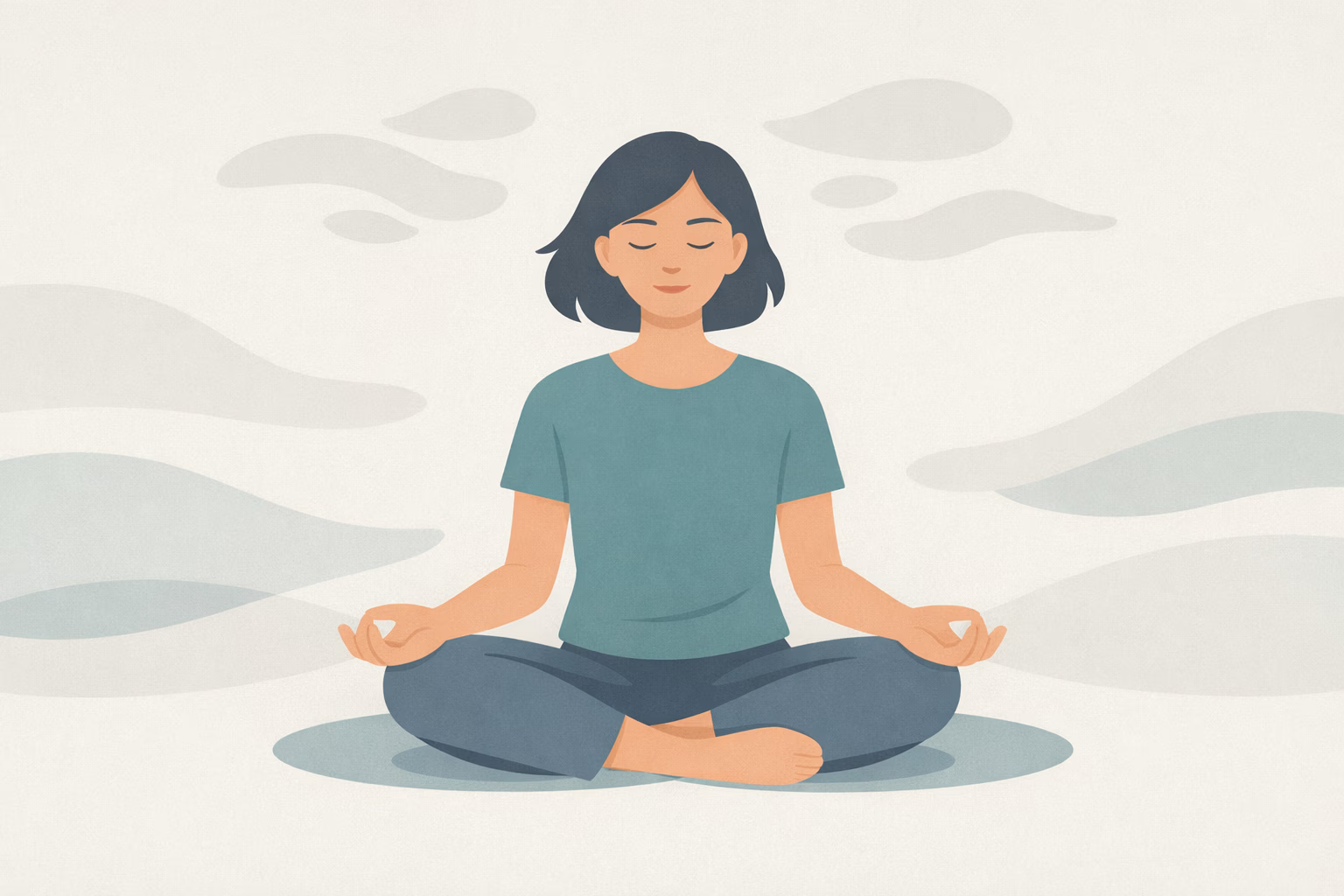
Explore how to find inner stillness despite mental noise.
You are caught in an "Urgency Loop" where the Threat system treats every task like a life-or-death emergency. In the Meaning Density Model™, urgency collapses time and prevents experiences from "landing." By recognizing that "The moment isn't an emergency," you restore the "Temporal Margin" needed for regulation. You aren't denying reality; you are simply lowering the alarm to a level that matches the actual risk.
Ask yourself: "Does this require a somatic survival response (fight/flight) right this second?" If the answer is no, it is a "Narrative Emergency," not a biological one. Naming it as such allows the Narrative & Identity system to take over from the reactive Threat system. This shift allows you to handle the situation with "Coherence" rather than "Panic," ensuring the experience eventually integrates as a finished loop.
One Quiet Window, one insight, one reflection — every Sunday