

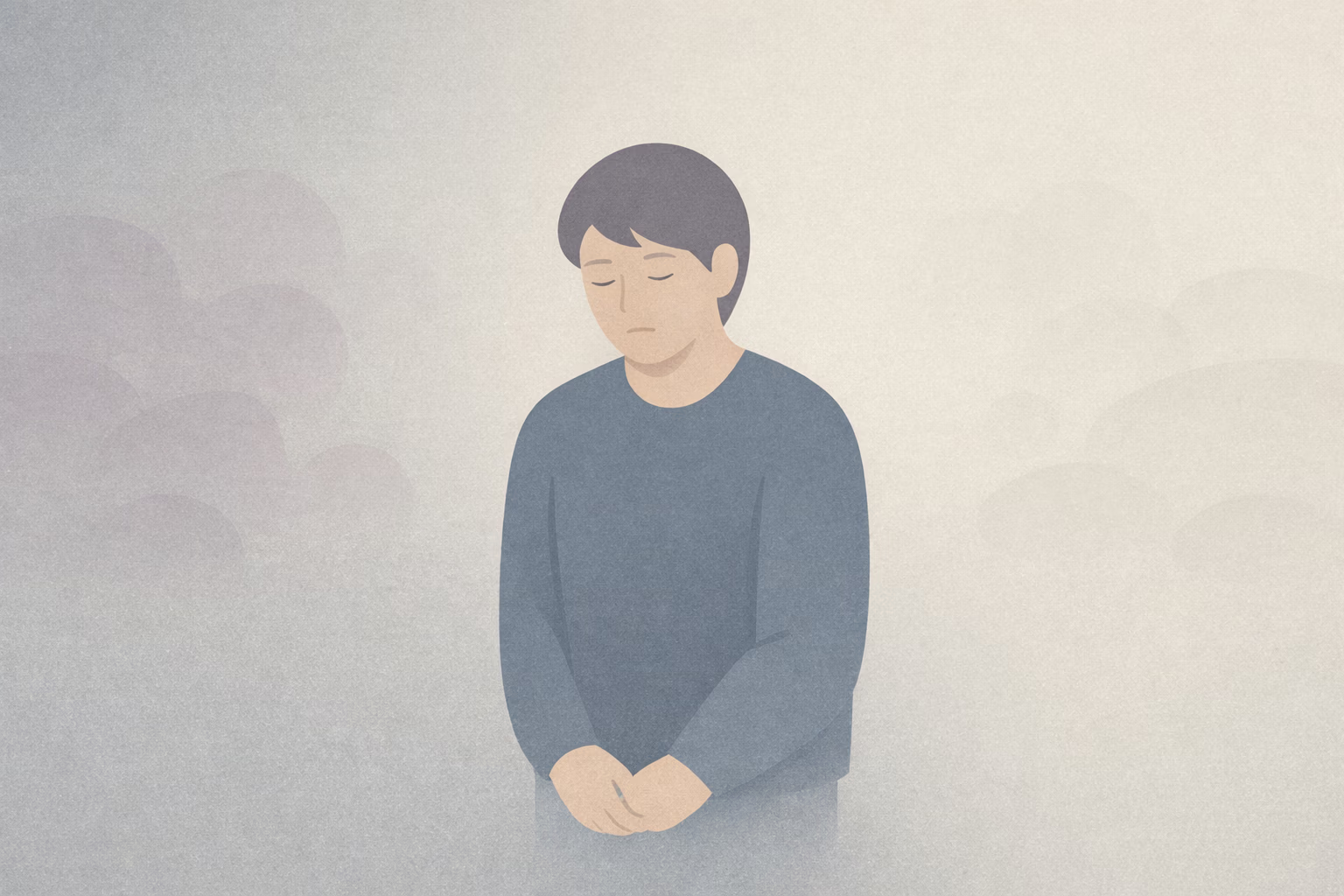
Psychological Withdrawal From Overstimulation
Learn why overstimulation withdrawal mimics depressive symptoms.
In context: Your nervous system is likely expressing a preference for “Low Volume.“ After long periods of overstimulation, the body identifies “quiet“ as the only truly safe state. This isn't a symptom of withdrawal; it is a sign that your Threat system is successfully seeking a holding environment.
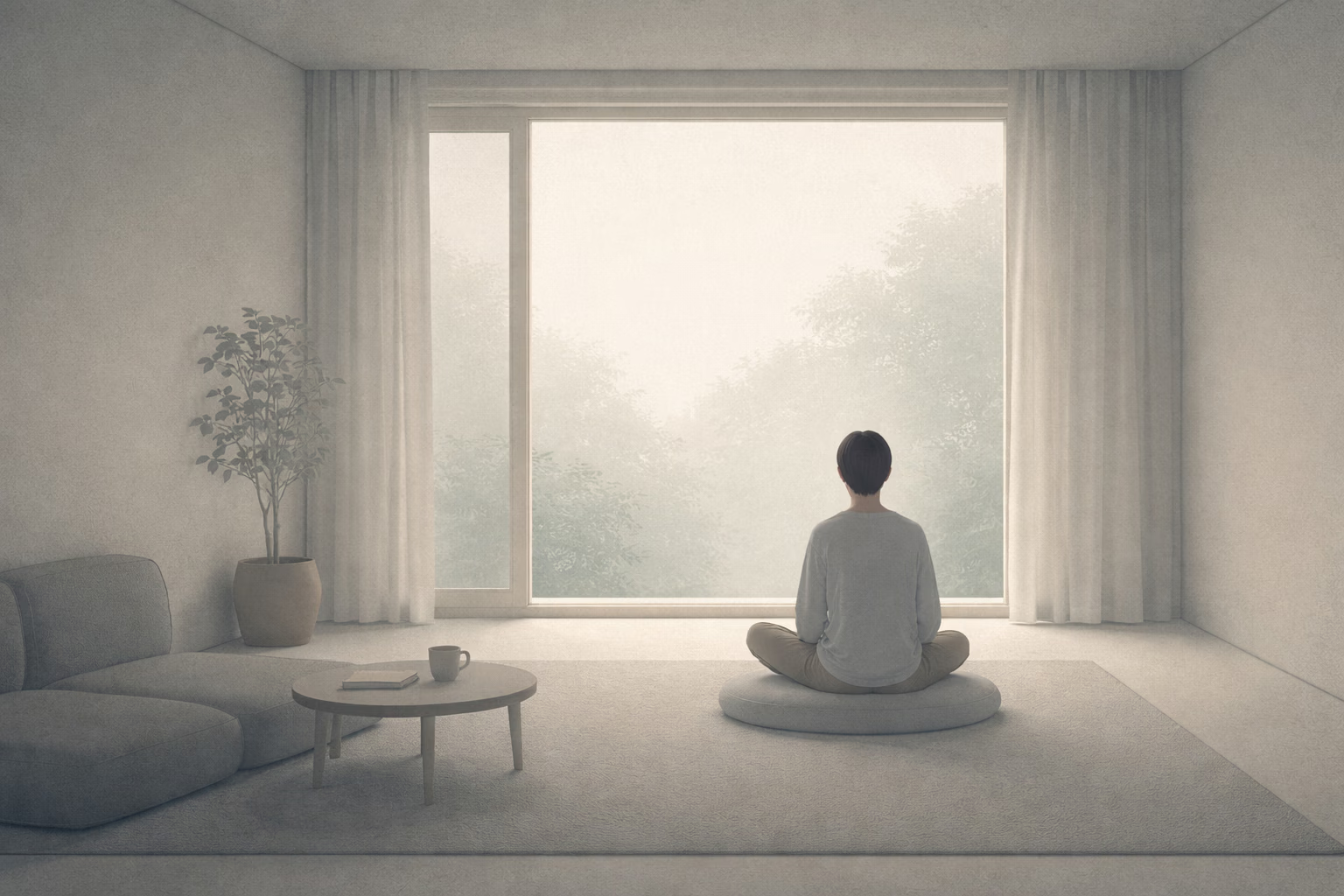
The nervous system prefers low volume now.
Loudness feels unnecessary.
Softness keeps things manageable.
This preference is intelligent, not avoidant.
The system is choosing conditions where it can remain steady.
Normalize low-volume preference with DojoWell.
Explore DojowellArticles exploring the psychology behind these patterns.
Learn why overstimulation withdrawal mimics depressive symptoms.
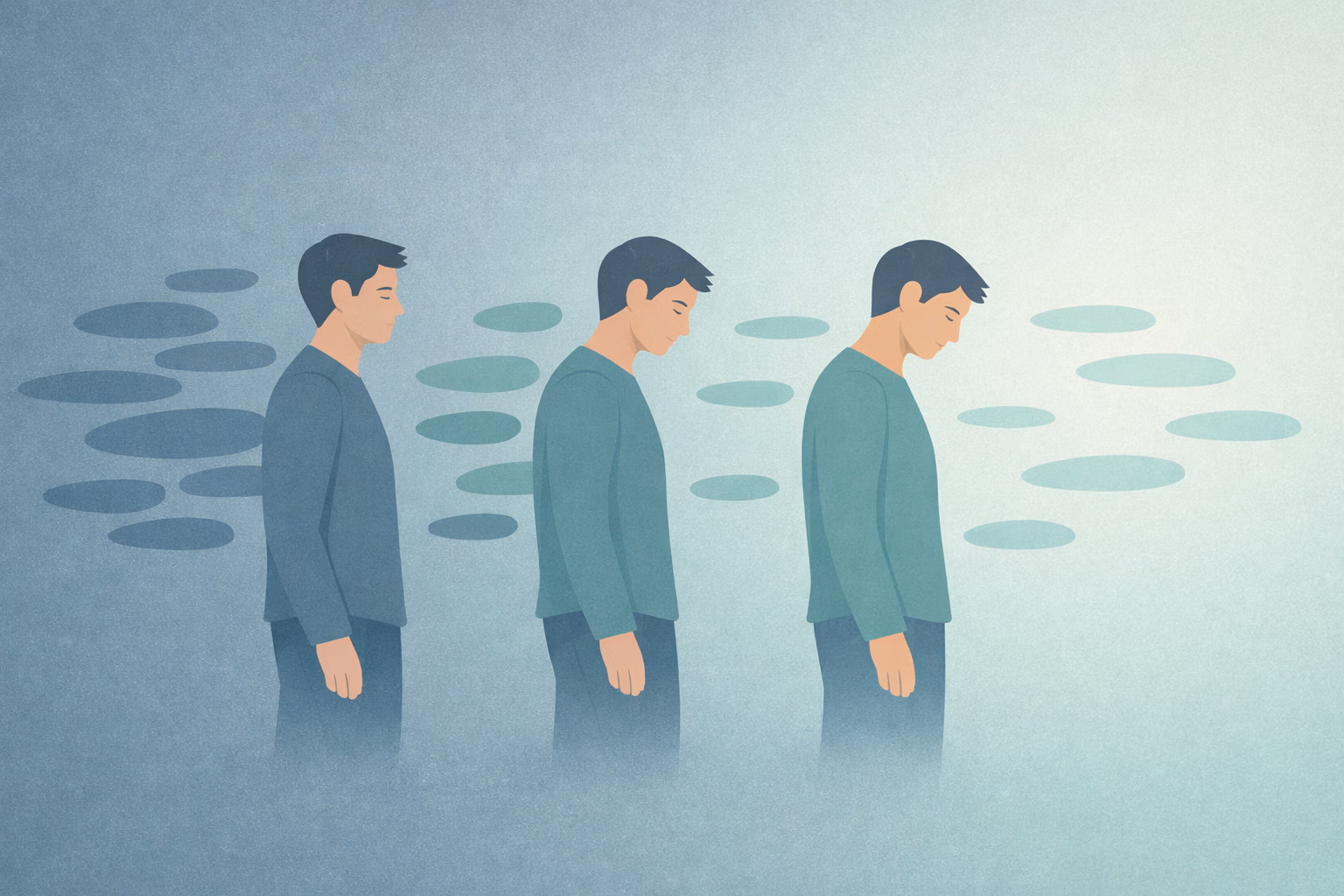
Learn how gradual stress downshifting restores emotional balance.
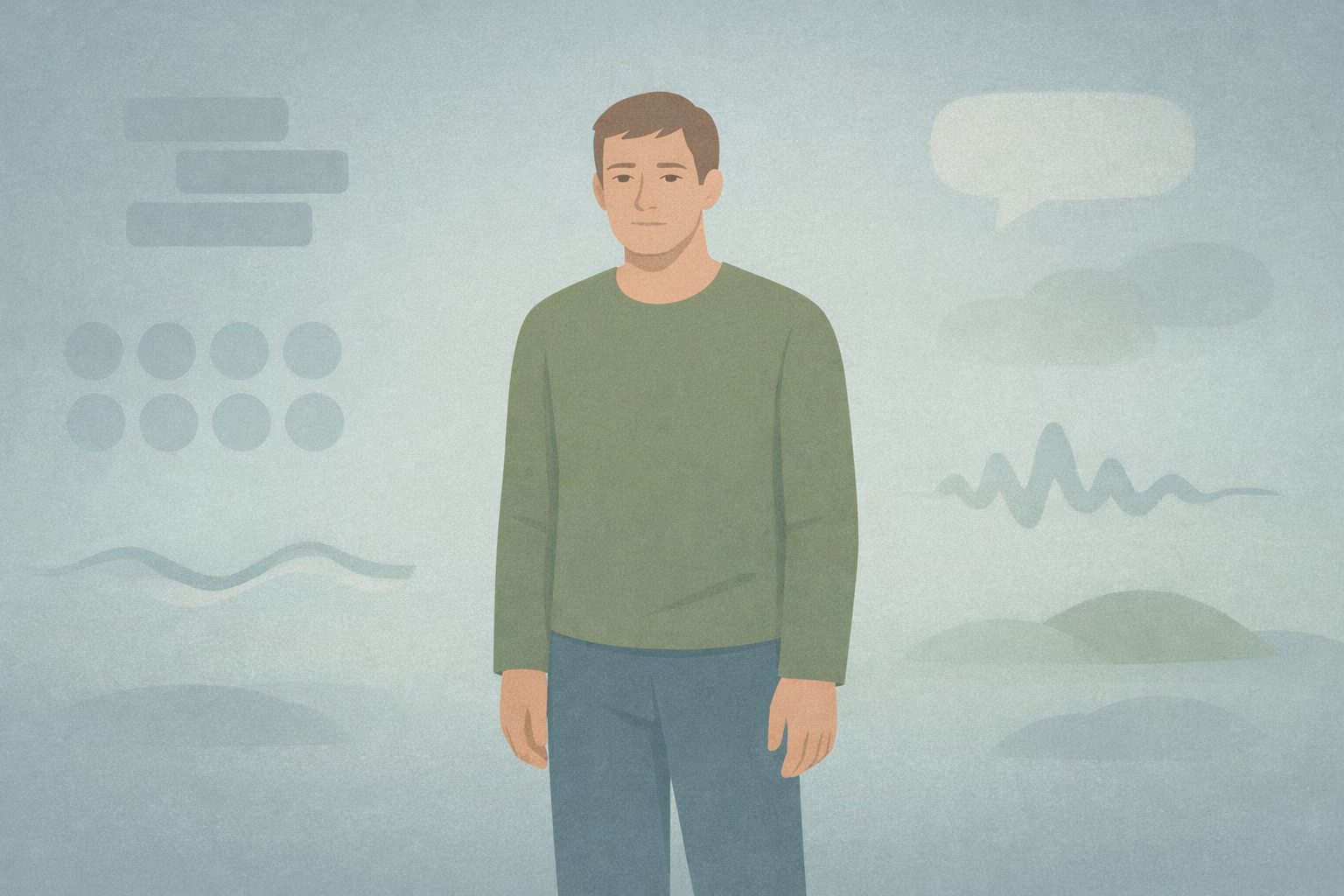
Learn why silence feels uncomfortable after constant stimulation and how to rebuild tolerance.
Your nervous system is likely expressing a preference for "Low Volume." After long periods of overstimulation, the body identifies "quiet" as the only truly safe state. This isn't a symptom of withdrawal; it is a sign that your Threat system is successfully seeking a holding environment. By honoring this preference, you give your body the exact structural conditions it needs to de-activate the high-alert pursuit loops and begin the integration process.
Yes. In the Meaning Density Model™, low volume is the foundation of "High-Density" living. In a quieter state, you can actually hear the subtle signals of your own body and identity. While the modern world demands "high volume," your health depends on your ability to inhabit the quiet. Choosing low volume is an act of Status & Control—reclaiming your right to a pace that respects your biological limits.
One Quiet Window, one insight, one reflection — every Sunday