

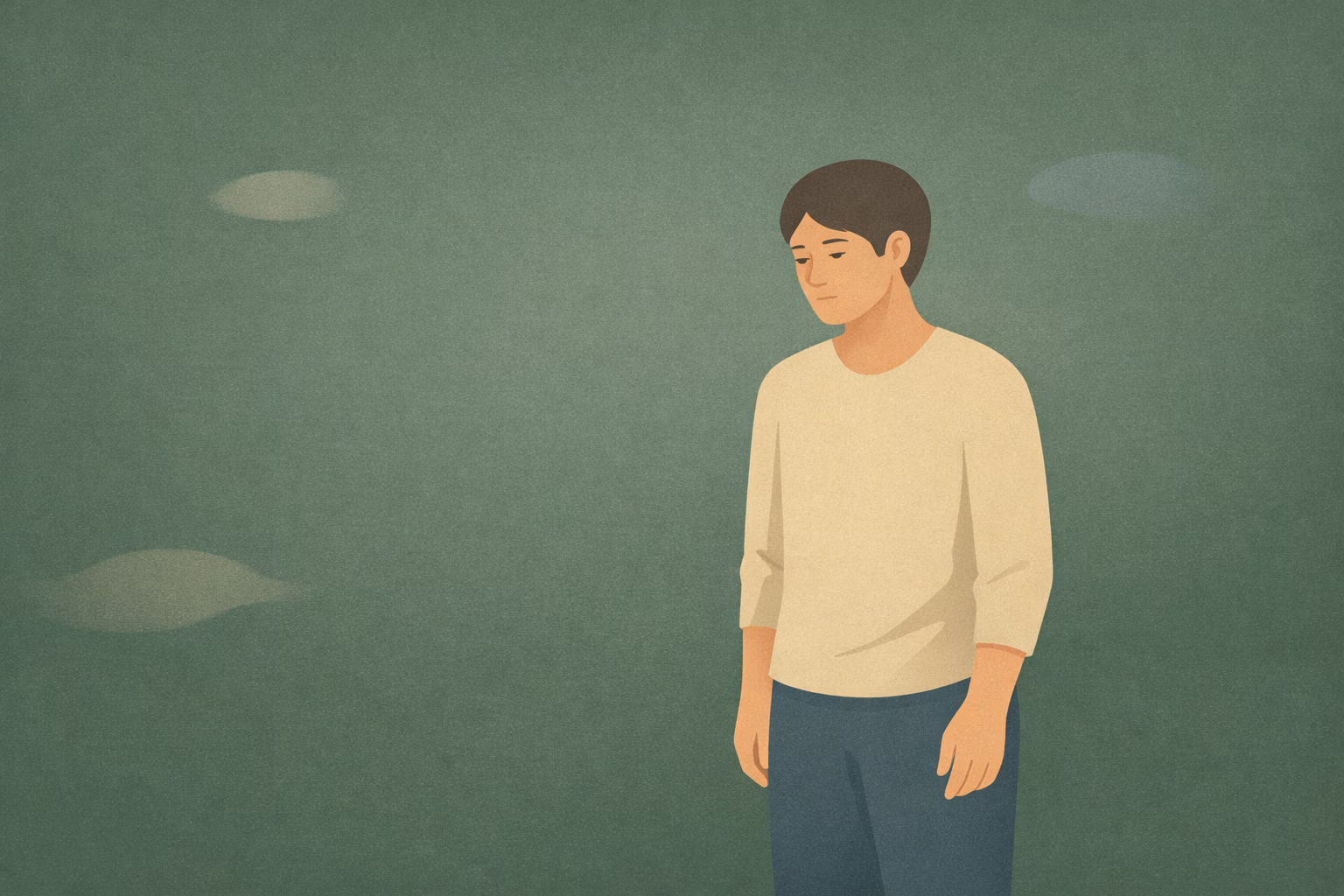
Fear of Silence & Stillness Discomfort
Learn why silence feels threatening in an overstimulated world and how your nervous system relearns calm.
In context: You are entering the “Settling Phase.“ As you reduce your sensory load and close open loops, the Threat & Safety system stops projecting urgency onto the environment. The world hasn't actually changed volume, but your reaction to it has moved from “high-gain“ to “baseline.

The world feels less loud.
Edges soften.
Sensation no longer presses forward.
This quiet is not absence—it is relief.
The nervous system recognizes reduced load and begins to settle.
Enter sensory quiet with DojoWell.
Explore DojowellArticles exploring the psychology behind these patterns.
Learn why silence feels threatening in an overstimulated world and how your nervous system relearns calm.

Understand why rest isn’t enough and recovery practices matter more.
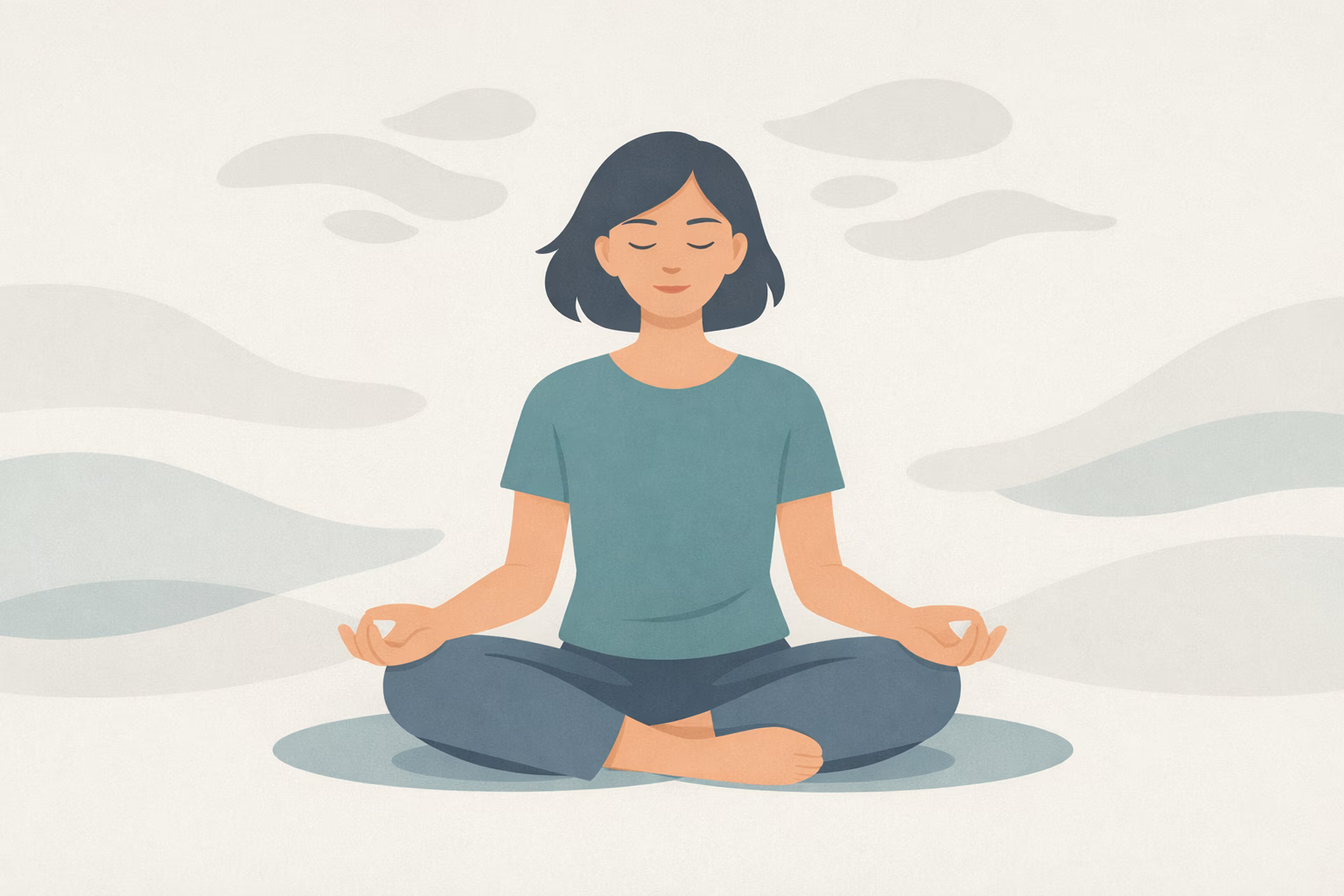
Explore how to find inner stillness despite mental noise.
You are entering the "Settling Phase." As you reduce your sensory load and close open loops, the Threat & Safety system stops projecting urgency onto the environment. The world hasn't actually changed volume, but your reaction to it has moved from "high-gain" to "baseline." This is a sign that your "integrator" is catching up with your lived reality, making the world feel quieter, more spacious, and significantly less threatening.
Maintain the "low-input" boundaries you have created. When the world feels less loud, it is tempting to "fill" that new space with more activities. Resisting that urge is essential. By leaving the space empty, you prove to your Reward system that you don't need a constant "hit" to be safe. This deepens the settling process and ensures that your return to activity is chosen rather than compulsive.
One Quiet Window, one insight, one reflection — every Sunday