

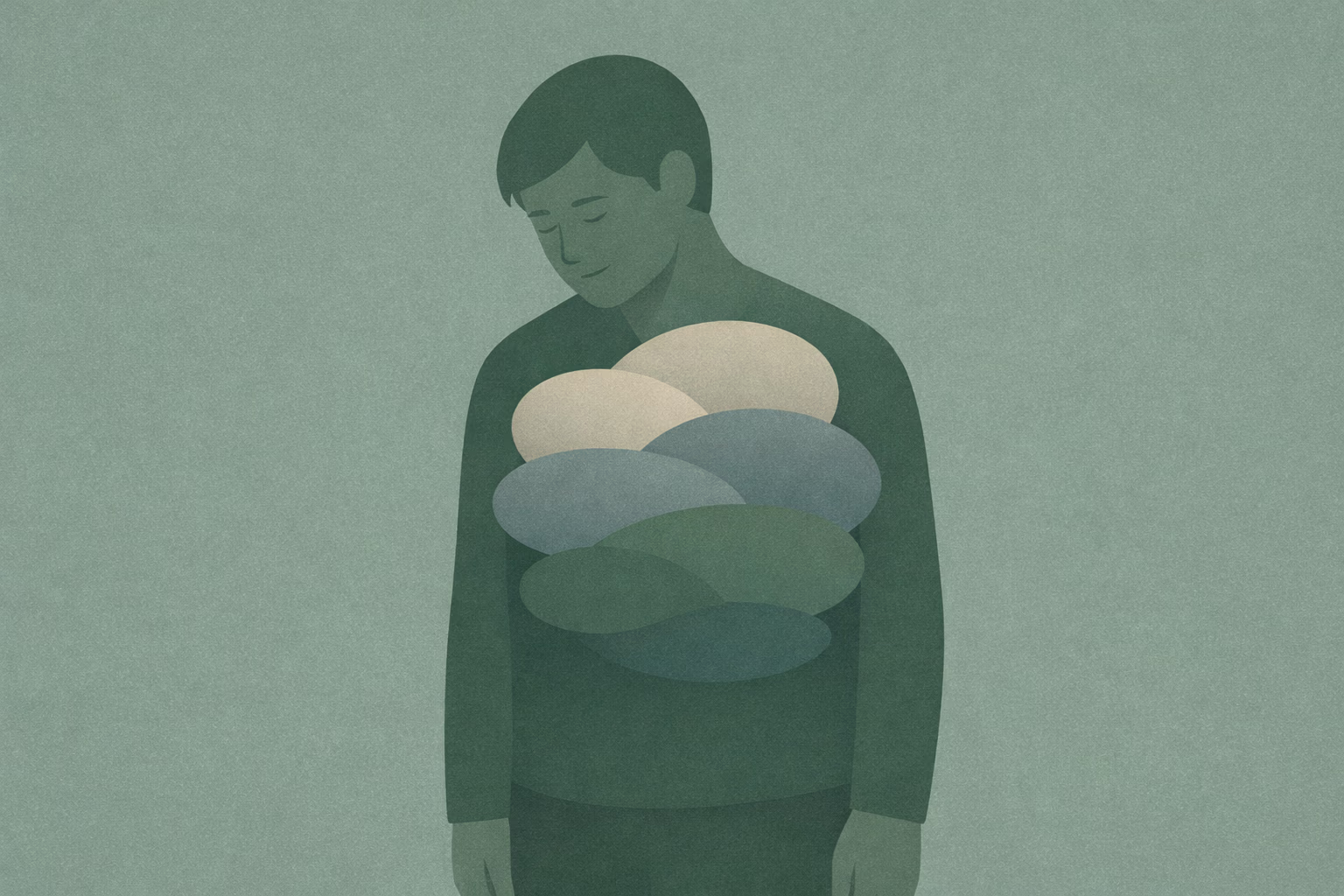
Suppressed Emotions & Somatic Weight
Learn how emotional suppression affects the body and mind.
In context: Your non-response was likely a deliberate, albeit subconscious, boundary. In a high-trigger environment, the Threat system often determines that any reaction—even a defensive one—will only invite more chaos. By “holding the line“ with silence, you refused to engage in a loop you couldn't control. In the Meaning Density Model™, this is called “structural non-engagement.
You held the line by not reacting.
Emotion pressed, circumstances surged, and still you remained contained.
This was not avoidance.
It was boundary.
Non-response prevented escalation when reaction would have overwhelmed you.
The system chose containment over expression.
Validating this reframes stillness as effort.
You were actively protecting yourself by staying steady.
Validate non-response as strength with DojoWell.
Explore DojowellArticles exploring the psychology behind these patterns.
Learn how emotional suppression affects the body and mind.
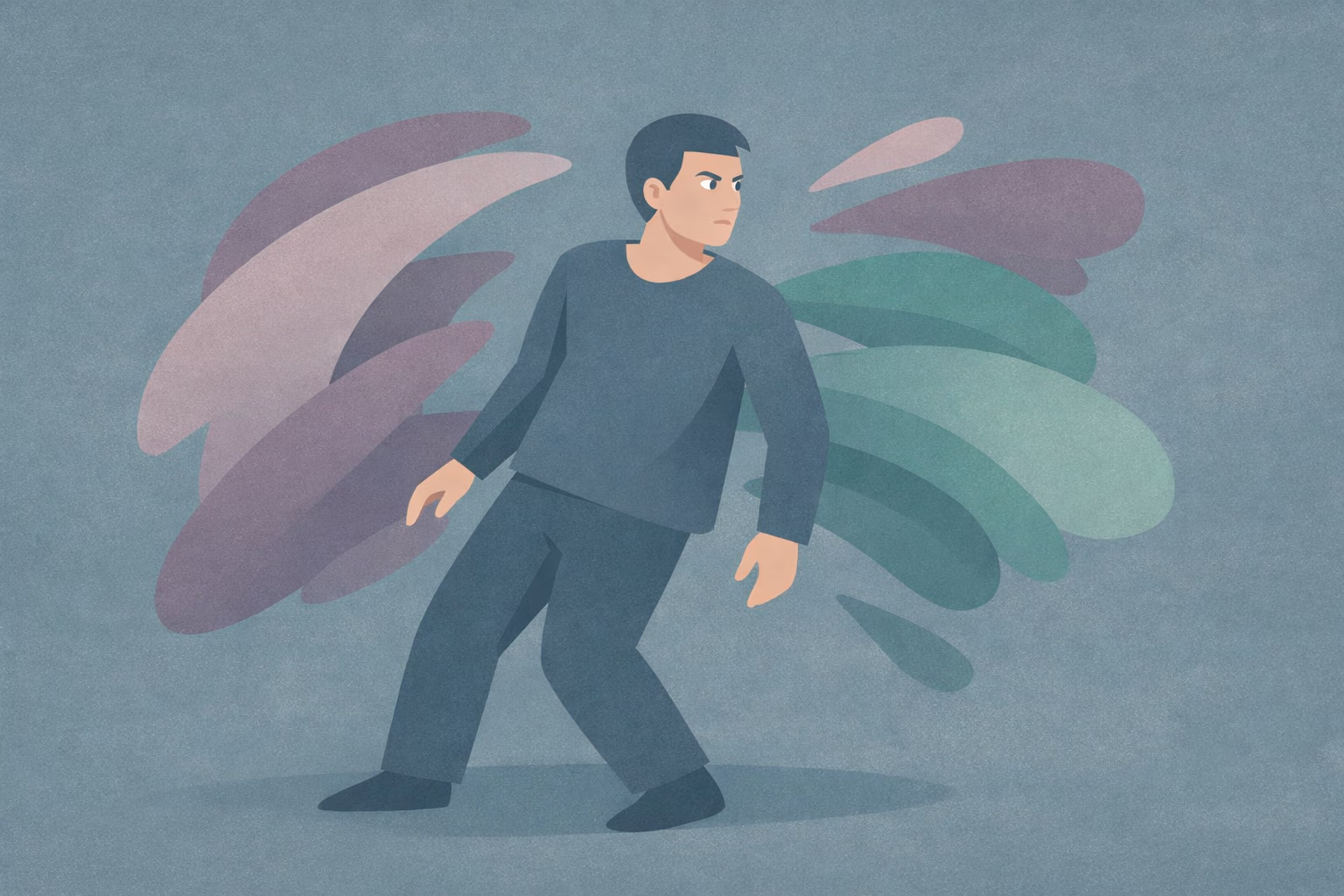
Discover why your emotions take over and how to build space before reacting.
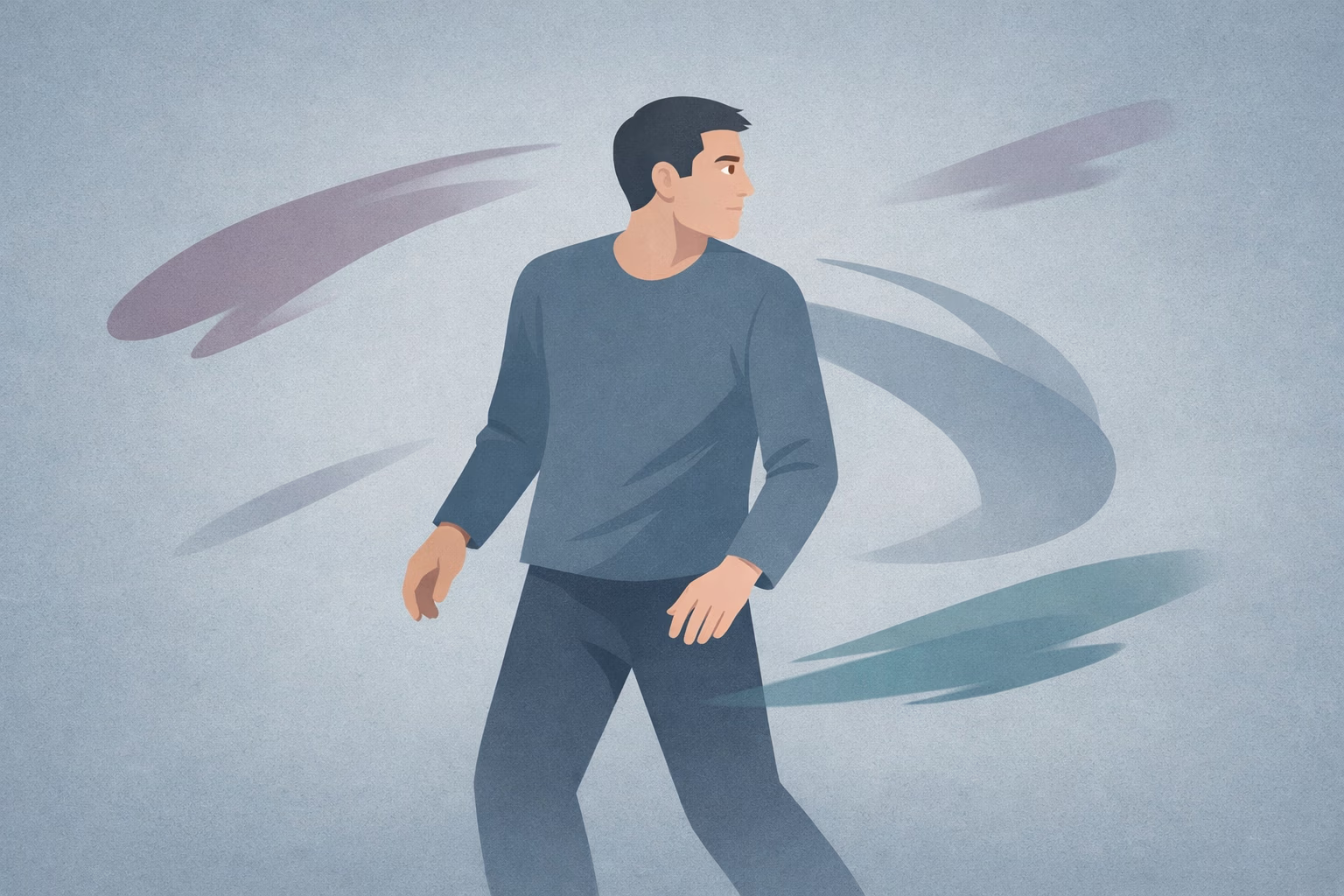
Learn how emotional reflexes form and how to retrain them.
Your non-response was likely a deliberate, albeit subconscious, boundary. In a high-trigger environment, the Threat system often determines that any reaction—even a defensive one—will only invite more chaos. By "holding the line" with silence, you refused to engage in a loop you couldn't control. In the Meaning Density Model™, this is called "structural non-engagement." It’s a way of protecting your inner resources by not "feeding" a situation that has zero meaning density.
No, it was a sign of "holding." You stayed in your own space and didn't allow the external noise to penetrate your core. Silence is a powerful boundary because it offers no "handle" for the other person or situation to grab onto. While your Status system might wish you had a "witty comeback," your Safety system knows that your silence kept you from being pulled into a deeper, more exhausting cycle of conflict.
One Quiet Window, one insight, one reflection — every Sunday