Fight-Flight-Freeze & Shutdown Mode
Understand how fight/flight/freeze works and why freeze dominates today.
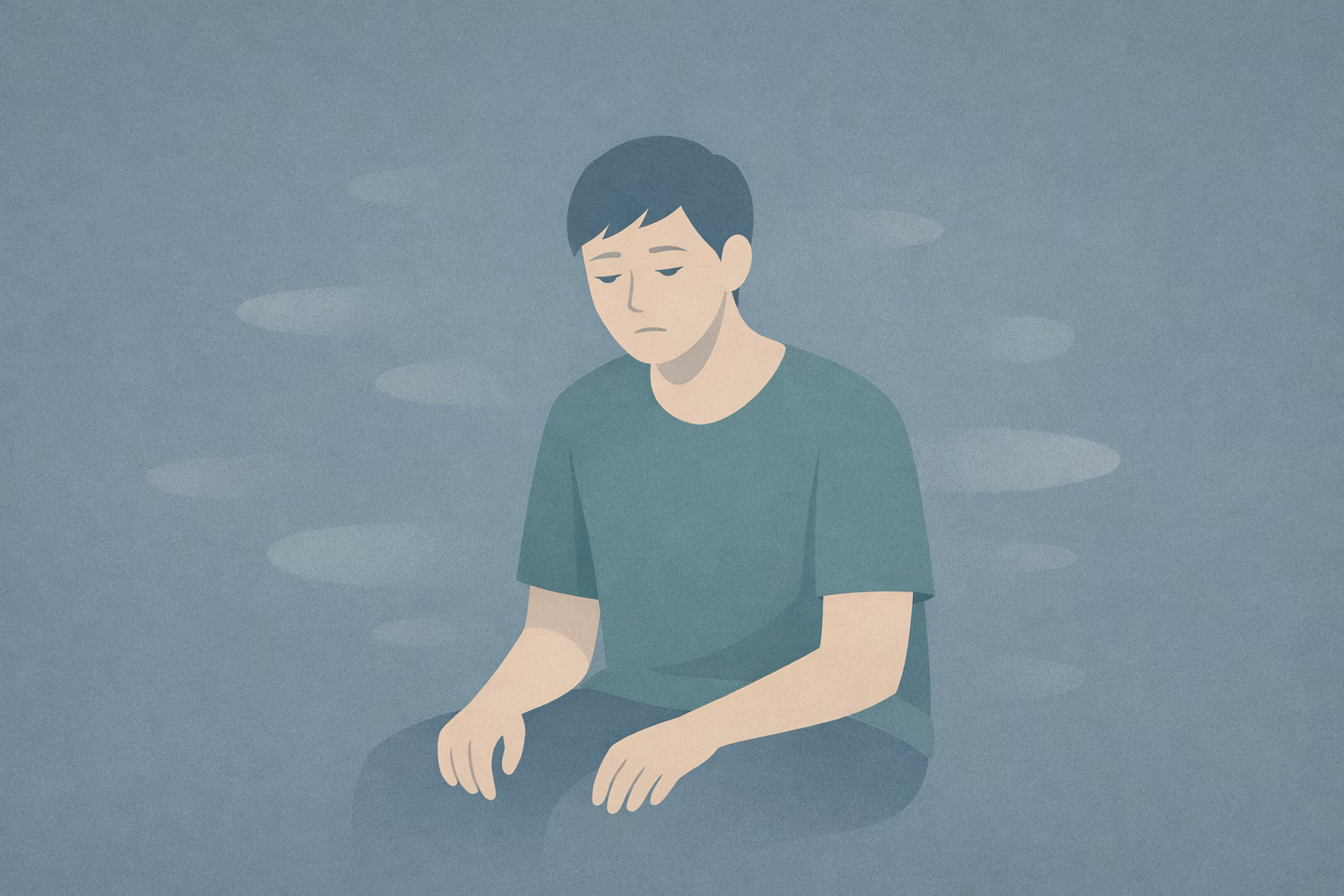
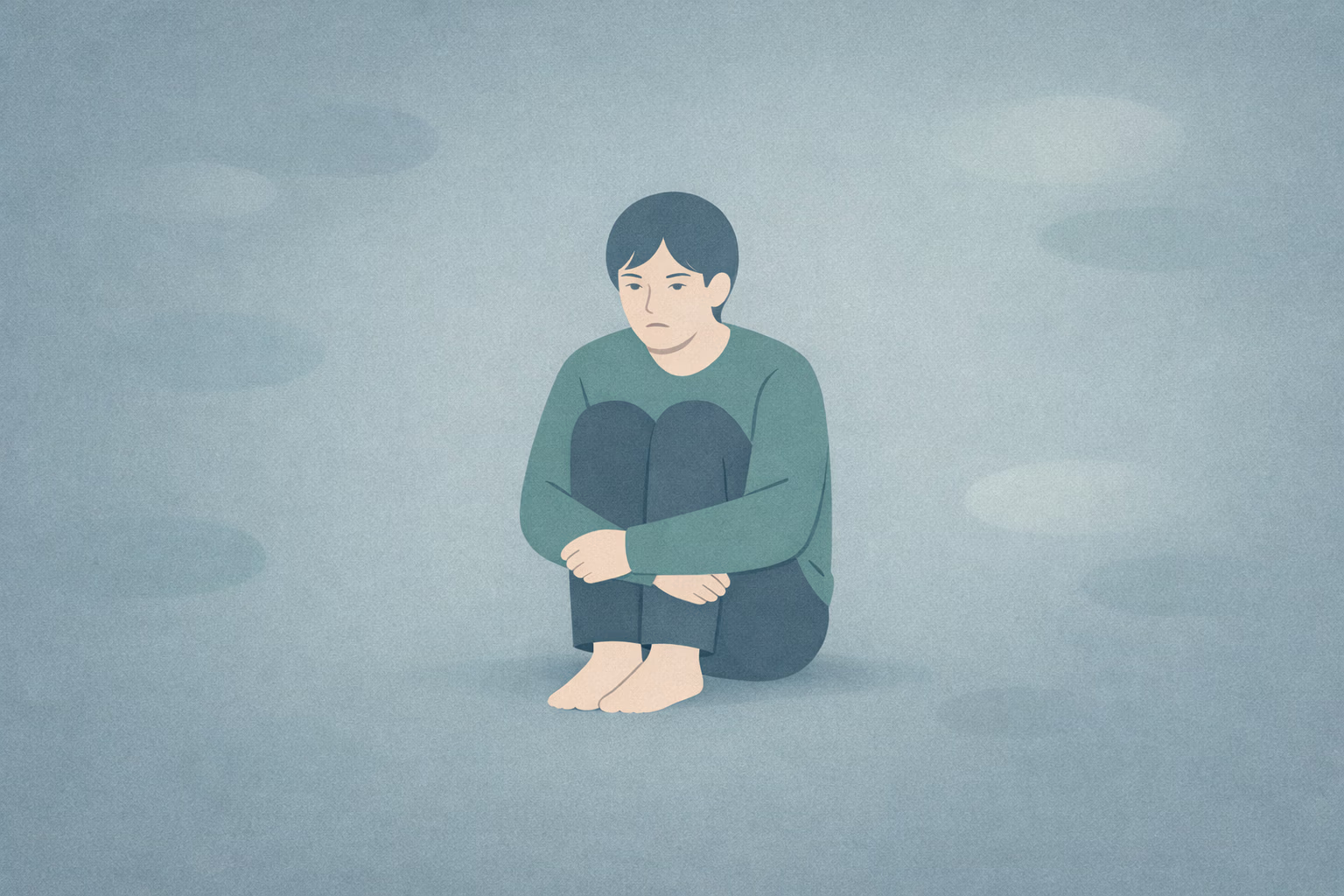
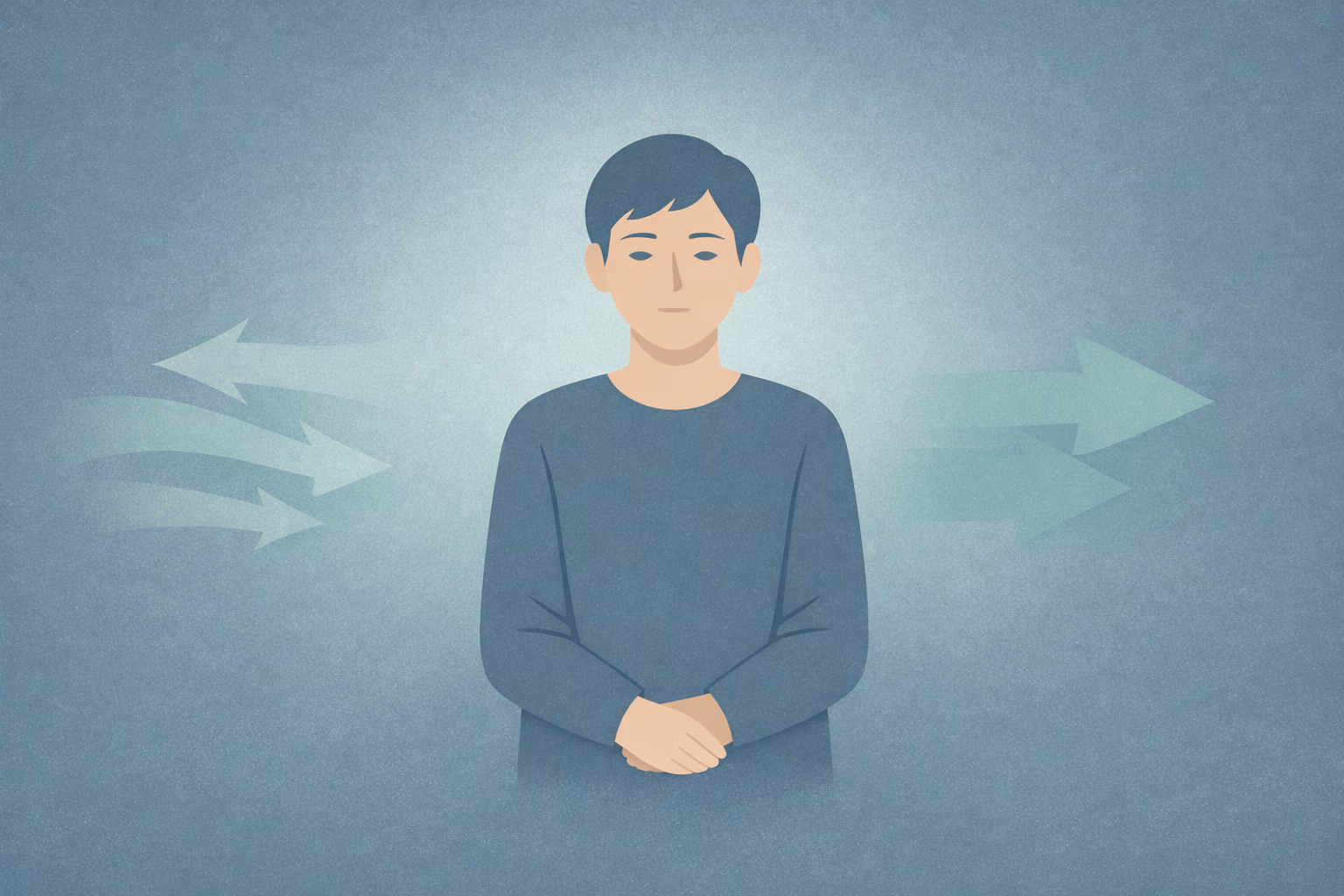
In context: Freeze responses live in the tissues, not just the mind. Your body “learned to wait“ because, in the past, waiting was the only way to stay safe. Even if your mind knows the threat is over, your Threat & Safety system might still be waiting for a “clear signal“ that never arrived.

The body learned to wait.
It learned that motion could be costly, that waiting was safer.
So it settled into neutrality, conserving energy and attention.
This is not stubbornness or avoidance.
It is memory.
The body remembers what once worked.
Bringing awareness here allows patience instead of frustration.
Waiting kept you intact.
Movement will return when safety is restored, not when demanded.
Understand bodily freeze responses with DojoWell.
Explore DojowellArticles exploring the psychology behind these patterns.
Freeze responses live in the tissues, not just the mind. Your body "learned to wait" because, in the past, waiting was the only way to stay safe. Even if your mind knows the threat is over, your Threat & Safety system might still be waiting for a "clear signal" that never arrived. In DojoWell, we focus on somatic completions—small physical acts that signal to the body that the "waiting period" is officially over and it is safe to move again.
You communicate through "completion signals." Engage in small, tangible physical loops that have a clear beginning, middle, and end—like stretching, finishing a meal, or a brief walk. Each "finished" physical act provides a data point to your nervous system that the world is now "finishable." As these high-density physical completions accumulate, the "wait" signal in your body naturally fades, replaced by a sense of movement and integration.
One Quiet Window, one insight, one reflection — every Sunday