Trauma Responses in Daily Life
Learn how trauma responses show up in everyday moments without you noticing.
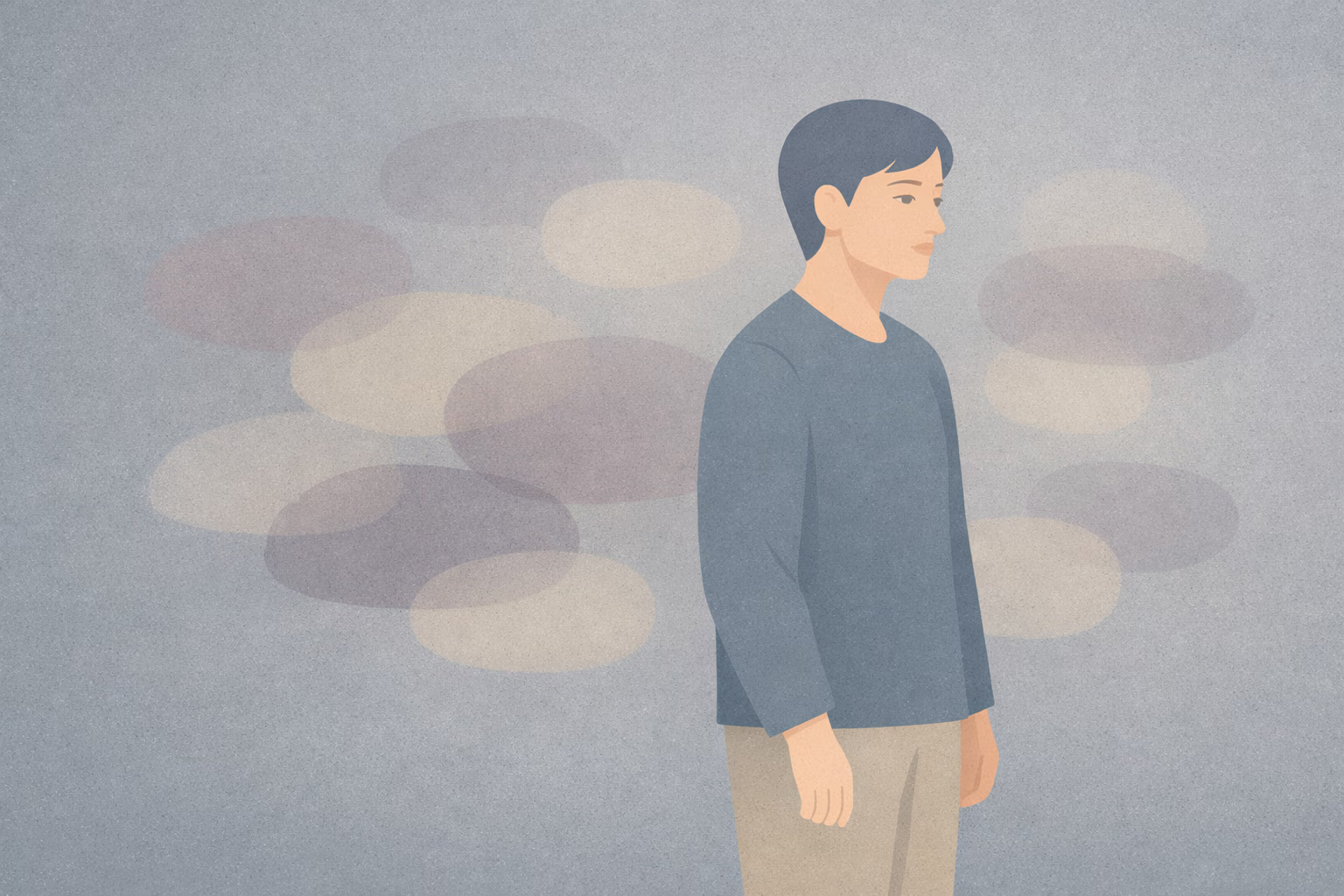
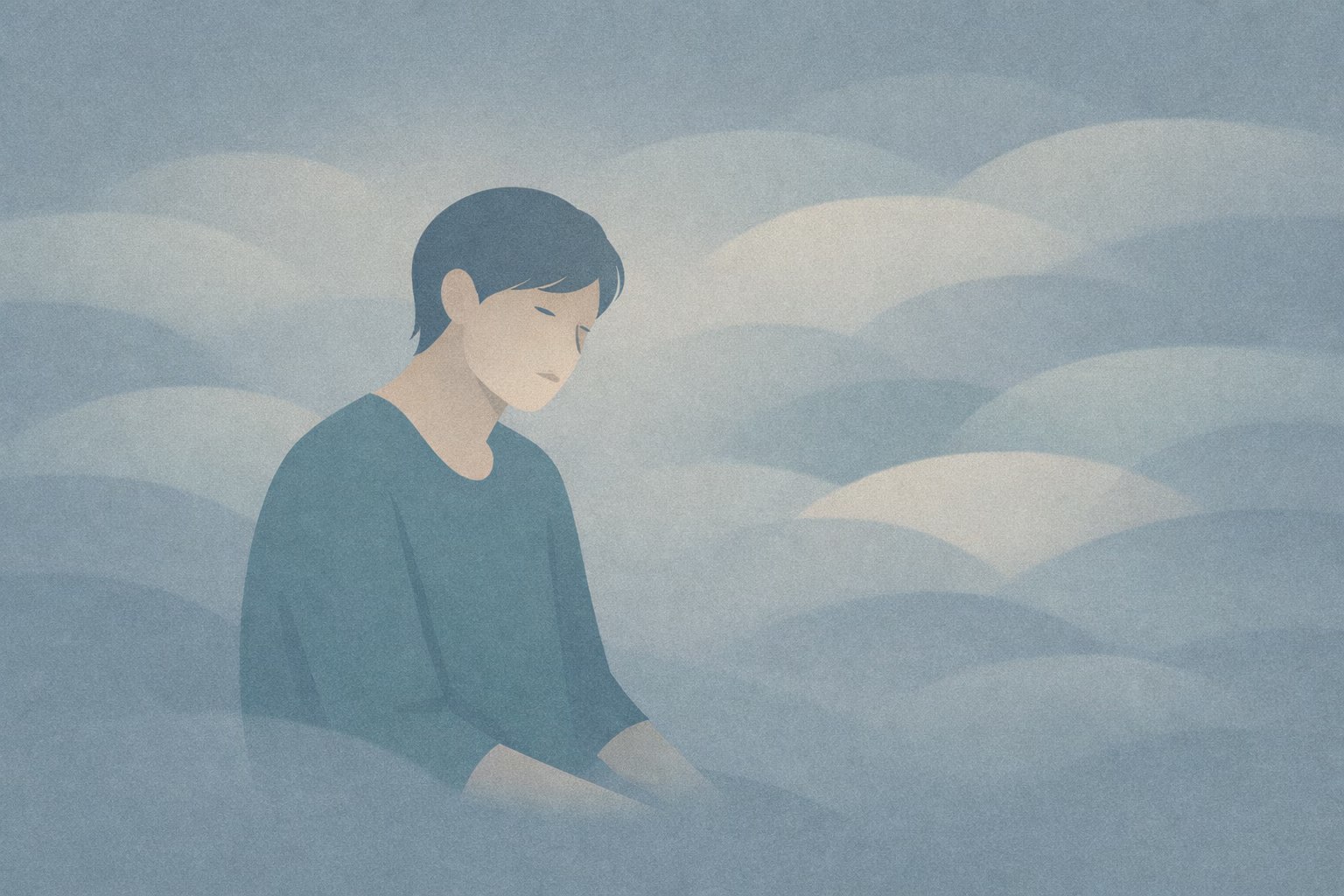
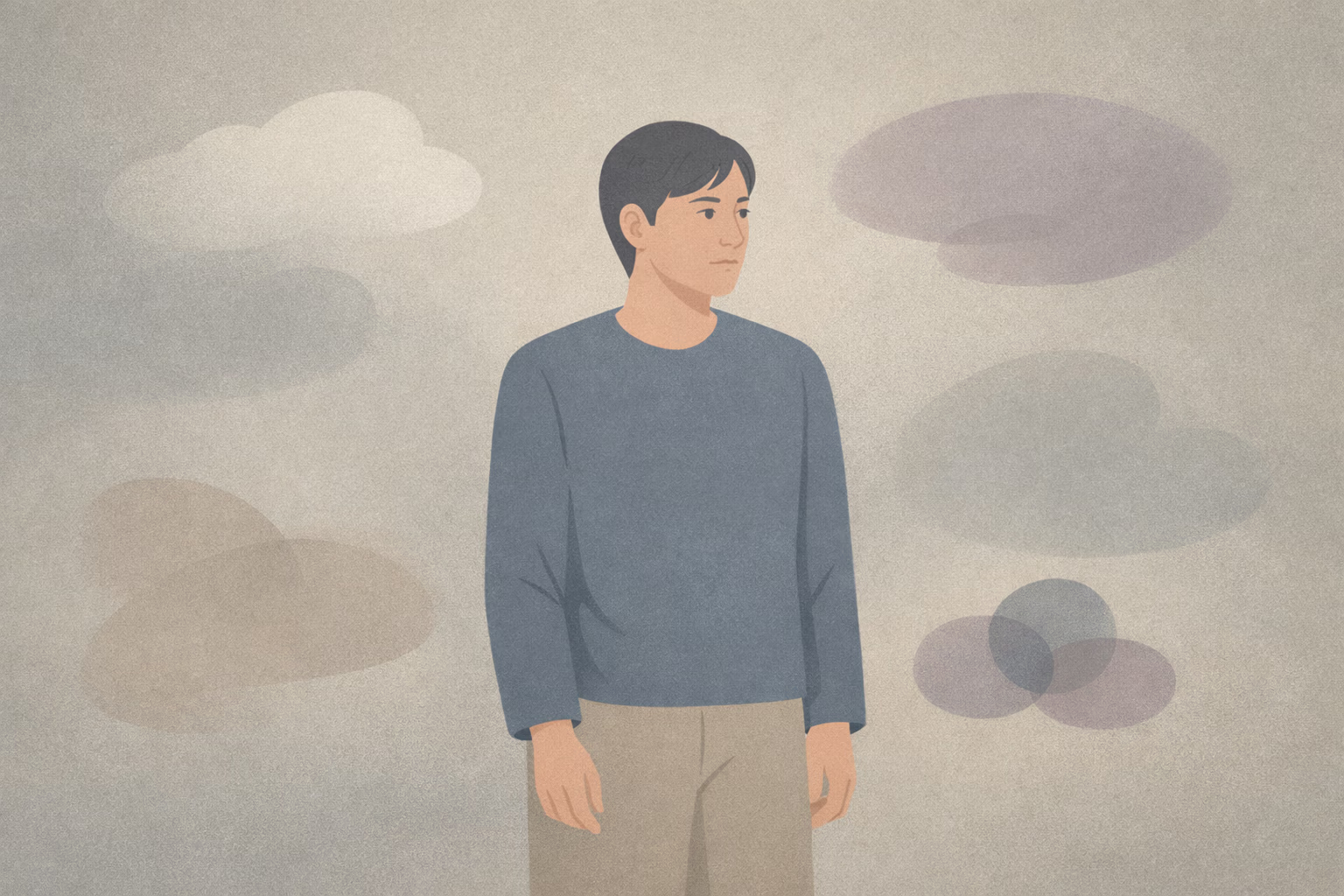
In context: Detachment is often a “learned response“ to a history of loop overload. If you've spent years in environments where nothing ever felt “done“ or “enough,“ your system learned that keeping a distance was the only way to survive.

This distance was learned.
It formed when closeness demanded too much, when staying back was safer than leaning in.
Detachment is not coldness.
It is adaptation.
Recognizing this removes blame from the present moment.
You are not failing to connect— you are using a strategy that once helped you endure.
Awareness creates choice.
And choice allows distance to soften when conditions change.
Recognize adaptive detachment with compassion in DojoWell.
Explore DojowellArticles exploring the psychology behind these patterns.
Detachment is often a "learned response" to a history of loop overload. If you’ve spent years in environments where nothing ever felt "done" or "enough," your system learned that keeping a distance was the only way to survive. The Meaning Density Model™ helps you see that this detachment once served a vital purpose: it kept you from being completely consumed by high-trigger environments. Recognizing its past utility helps remove the shame, allowing you to treat the detachment as a habit of the system rather than a flaw of the self.
It can be unlearned, but not by force. You unlearn it by creating a new history of "high-density completions." As you move into a "recovered meaning era," you intentionally choose smaller, finishable loops. When your system experiences enough of these "landings," it begins to realize that distance is no longer the only way to stay safe. Slowly, your "Narrative & Identity" system will move closer to your lived experience, because the experience itself has become higher quality and less threatening.
One Quiet Window, one insight, one reflection — every Sunday