

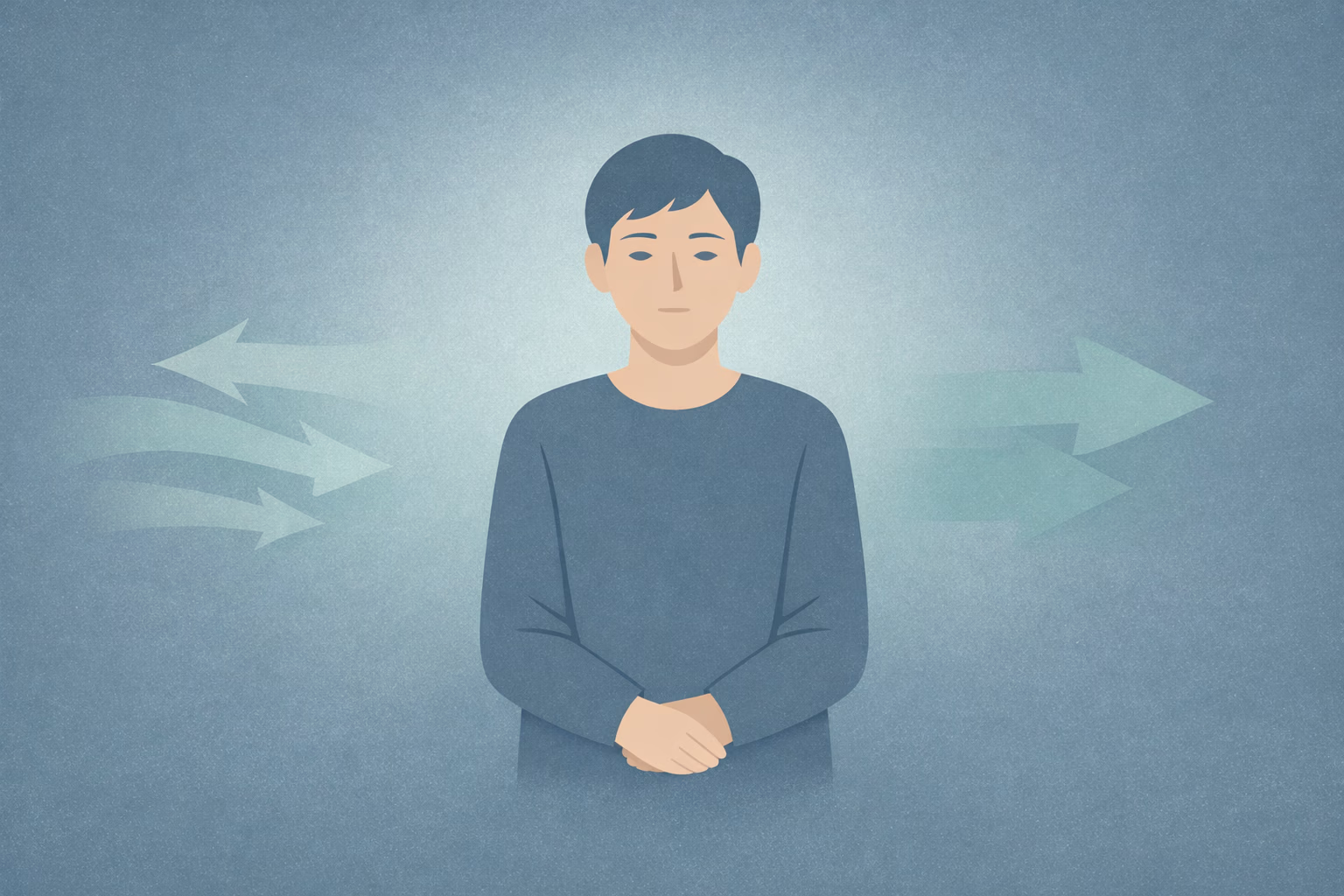
Fight-Flight-Freeze & Shutdown Mode
Understand how fight/flight/freeze works and why freeze dominates today.
In context: Because for your system, “stopping“ was safer than “feeling.“ Emotional data can be incredibly high-density and overwhelming. If your Narrative & Identity system is already backlogged, a new surge of feeling could lead to fragmentation. Shutdown follows a protective logic: it reduces the “input“ so you don't have to process the “overload.
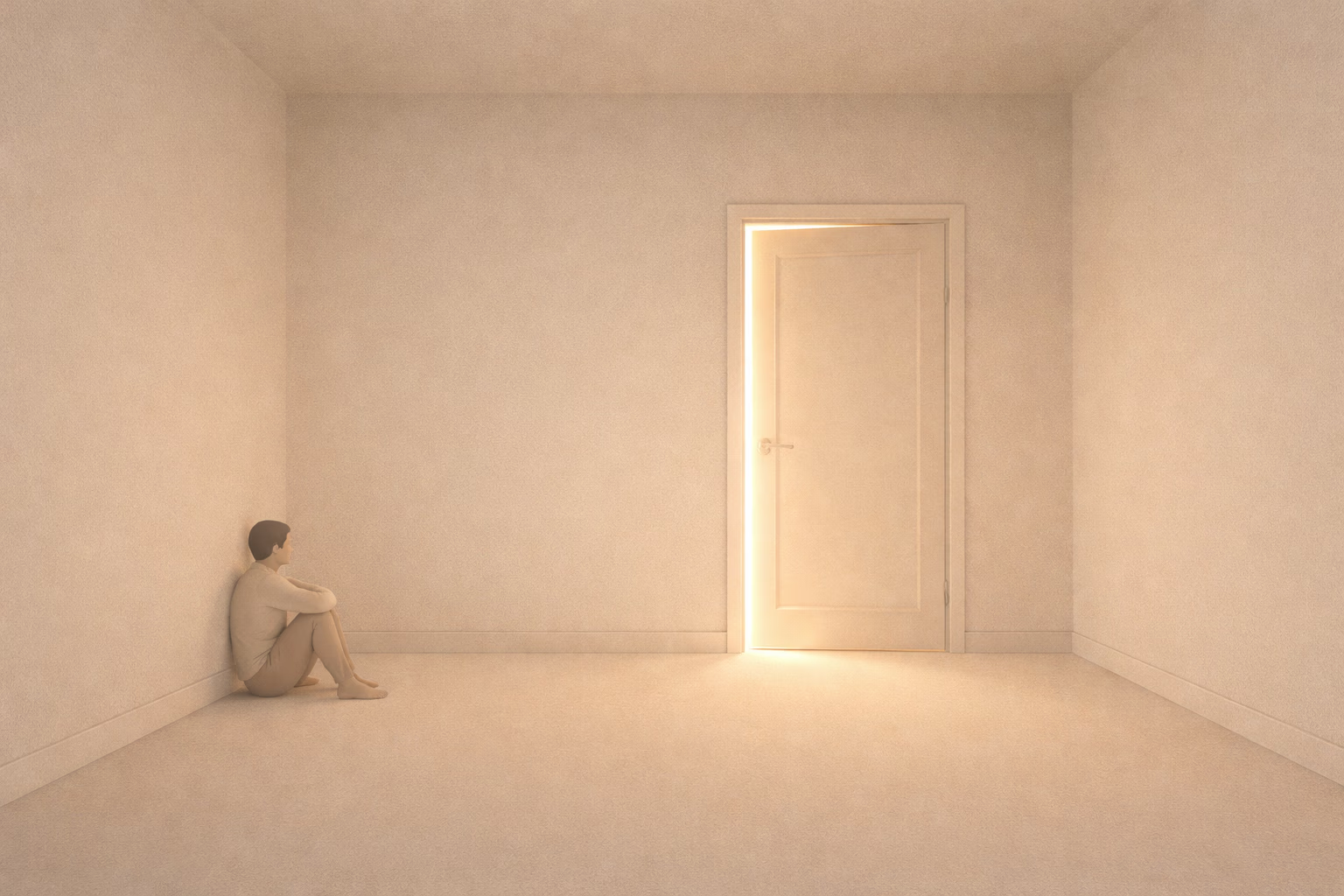
Feeling became too much, so stopping made sense.
Sensation was intense.
Emotion carried risk.
The system chose to close the door, not forever, but long enough to survive.
This logic is not flawed.
It is protective.
Seeing it clearly dissolves shame.
You were not avoiding life— you were protecting it.
Doors that close for safety can open again when the conditions are right.
Recognize protective logic behind freeze with DojoWell.
Explore DojowellArticles exploring the psychology behind these patterns.
Understand how fight/flight/freeze works and why freeze dominates today.
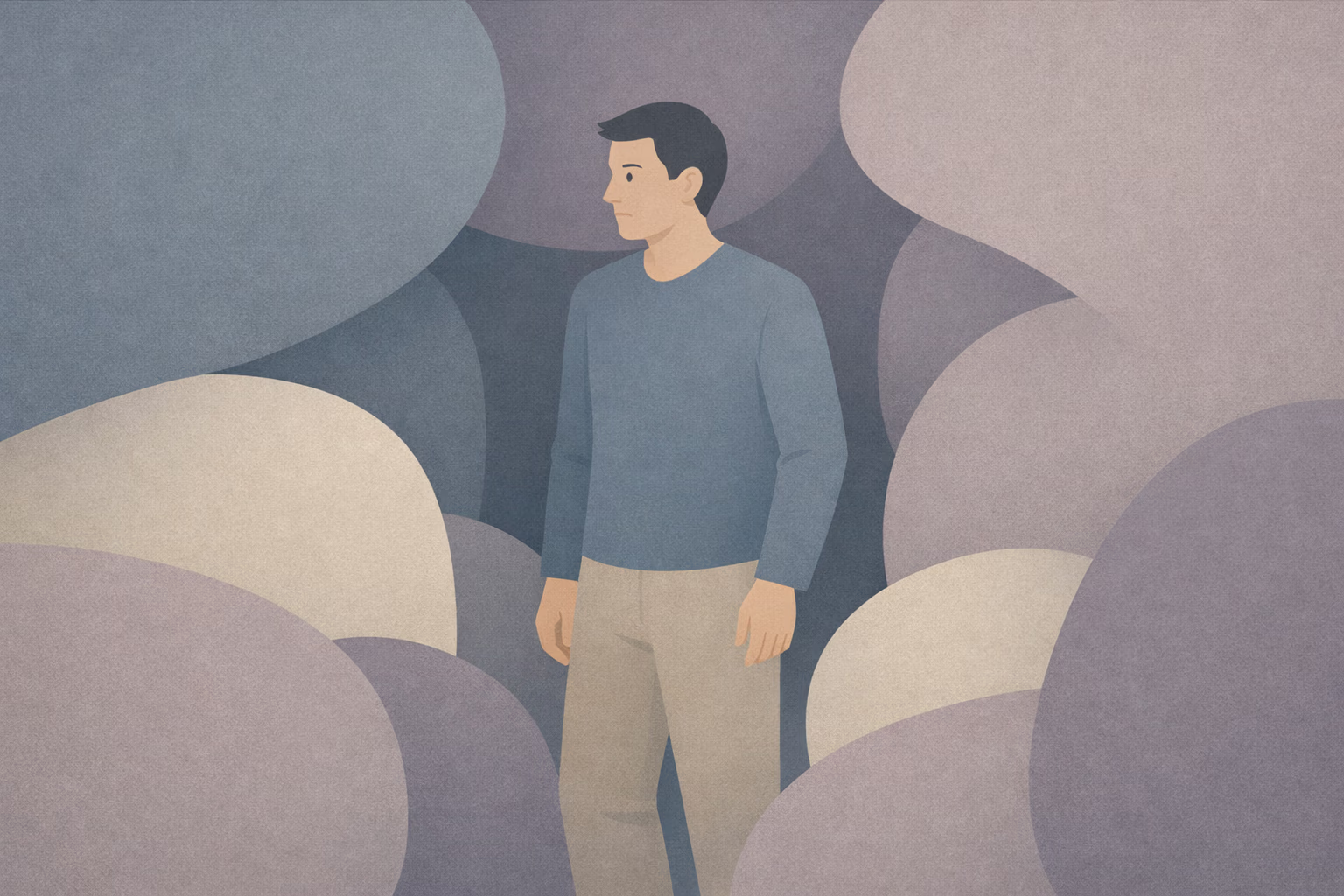
Understand how fear shapes your decisions and how to shift into intentional choices.
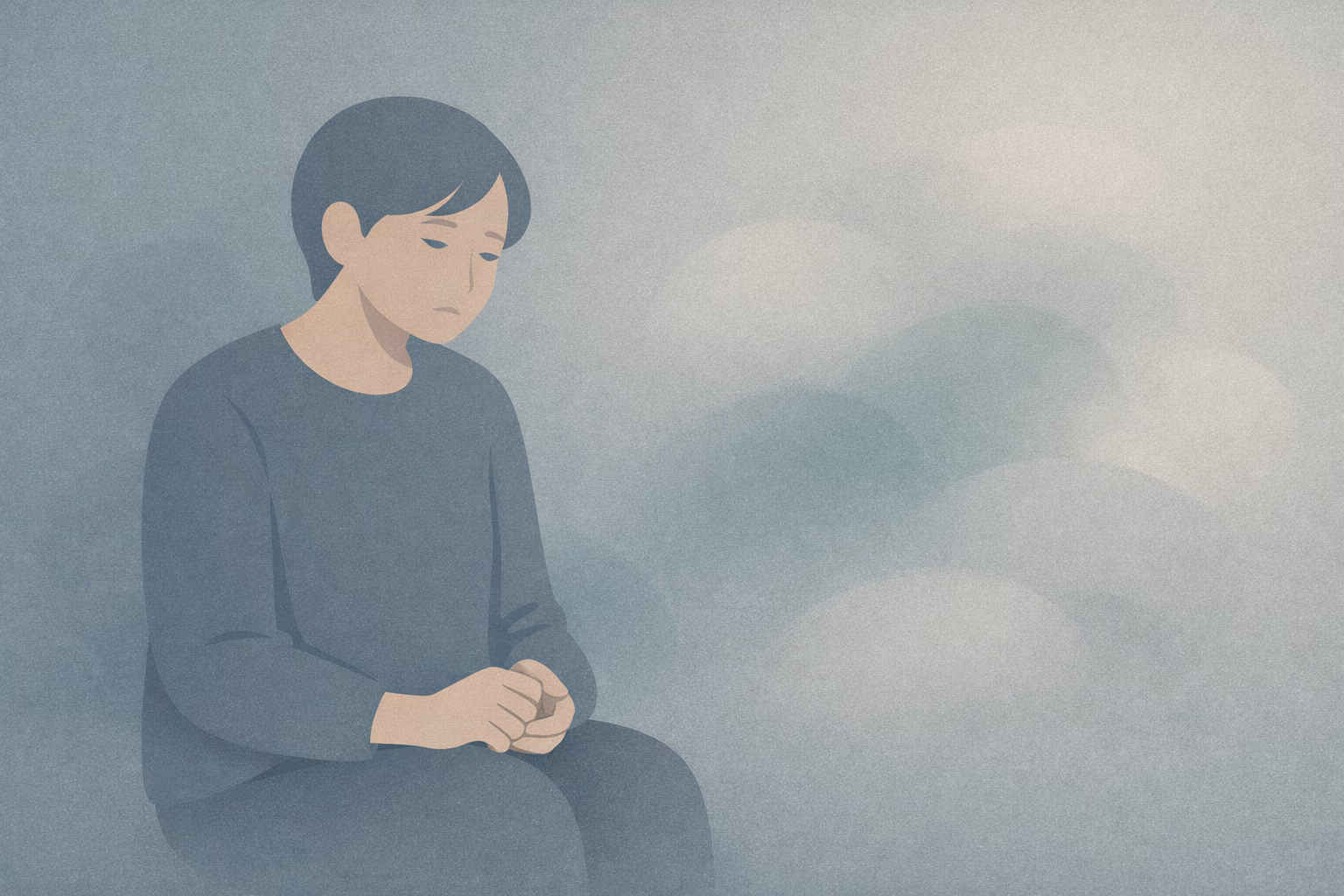
Understand how emotional numbing forms and why it persists.
Because for your system, "stopping" was safer than "feeling." Emotional data can be incredibly high-density and overwhelming. If your Narrative & Identity system is already backlogged, a new surge of feeling could lead to fragmentation. Shutdown follows a protective logic: it reduces the "input" so you don't have to process the "overload." In the Meaning Density Model™, numbness isn't a lack of feeling; it’s a temporary pause on the "experiencing" function to maintain structural integrity.
It’s not "bad"; it’s an admission of your current capacity. Judging your preference for numbness only activates the Status system's "shame loop." DojoWell encourages you to accept the pause. By admitting that "stopping" feels safer, you are honoring your system's current boundaries. This honesty actually builds trust between your Narrative and Safety systems, which is the very foundation required for your capacity to eventually expand and feel again.
One Quiet Window, one insight, one reflection — every Sunday