Stress Momentum & Chain-Reaction Days
Learn why one stressful moment spirals into a bad day.
In context: This is the “compression of time“ that happens during saturation. In a hypermodern environment, moments stack without pause. Your Narrative system can't find the “edges“ of an experience because there is no transition time. In the Meaning Density Model™, this lack of space means experiences never “land,“ so they never become meaningful.

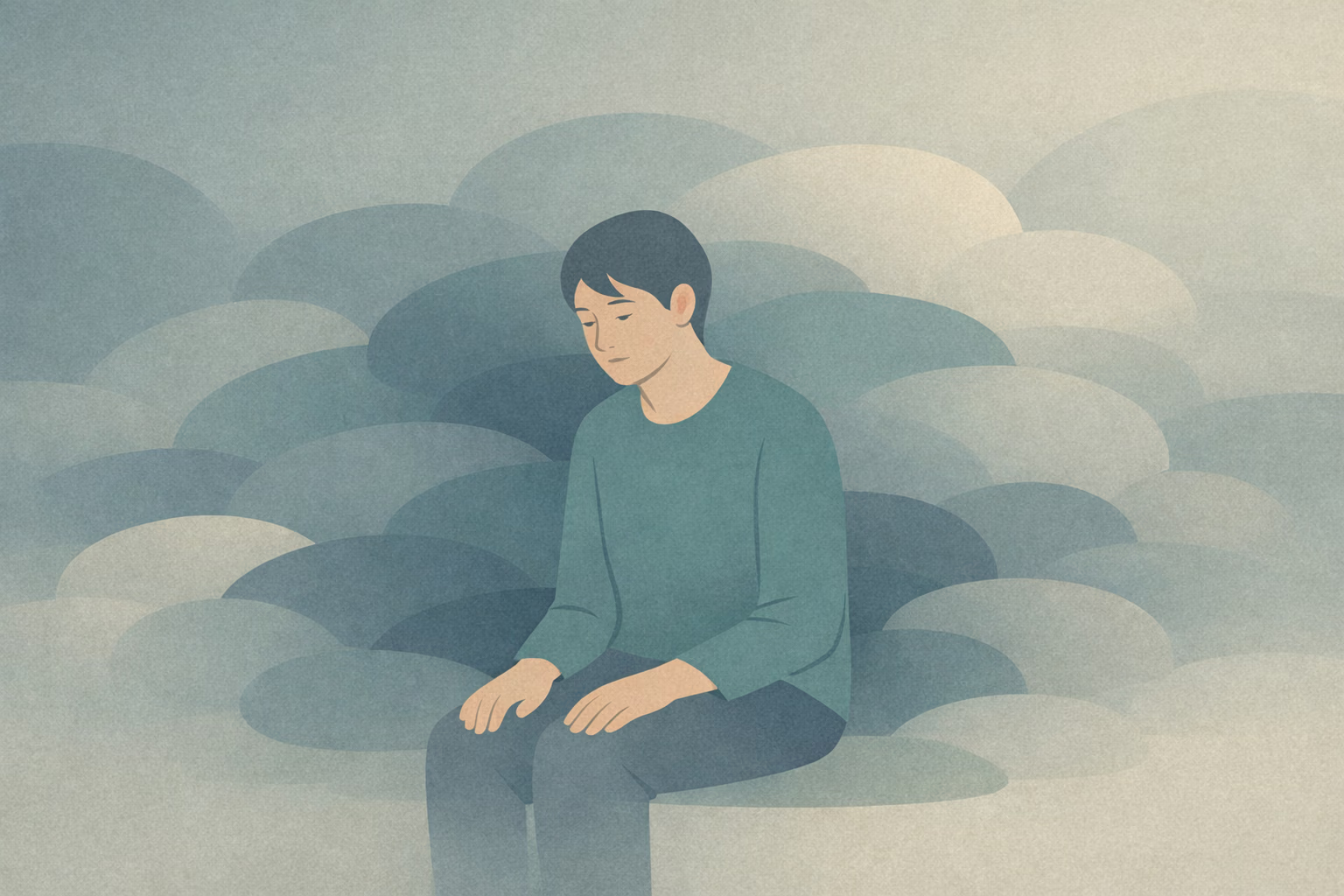
There is no space between moments.
One follows another without pause, without breath.
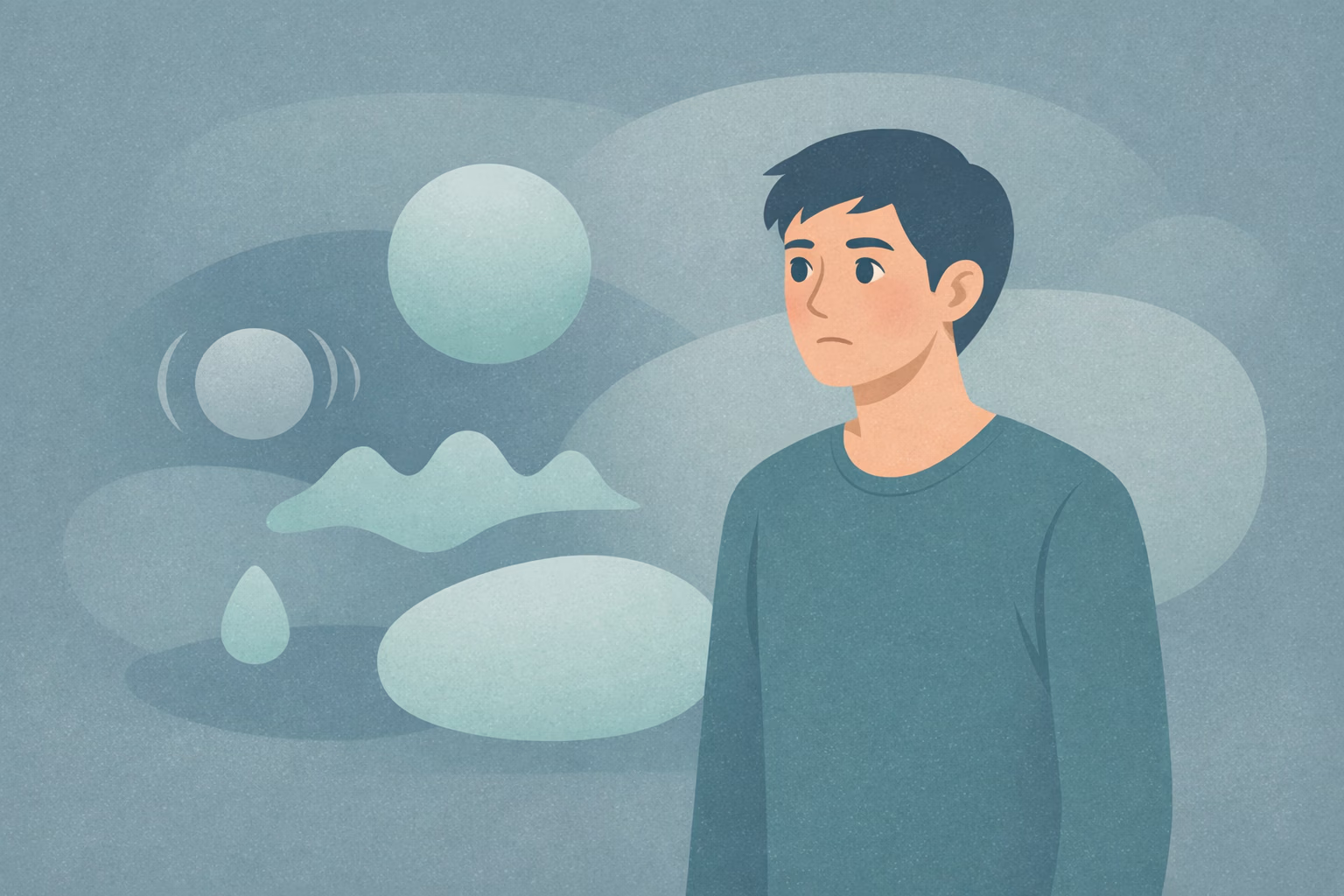
Time feels layered instead of linear.
This compression is not poor planning.
It is saturation.
The system loses gaps when demand stays constant.
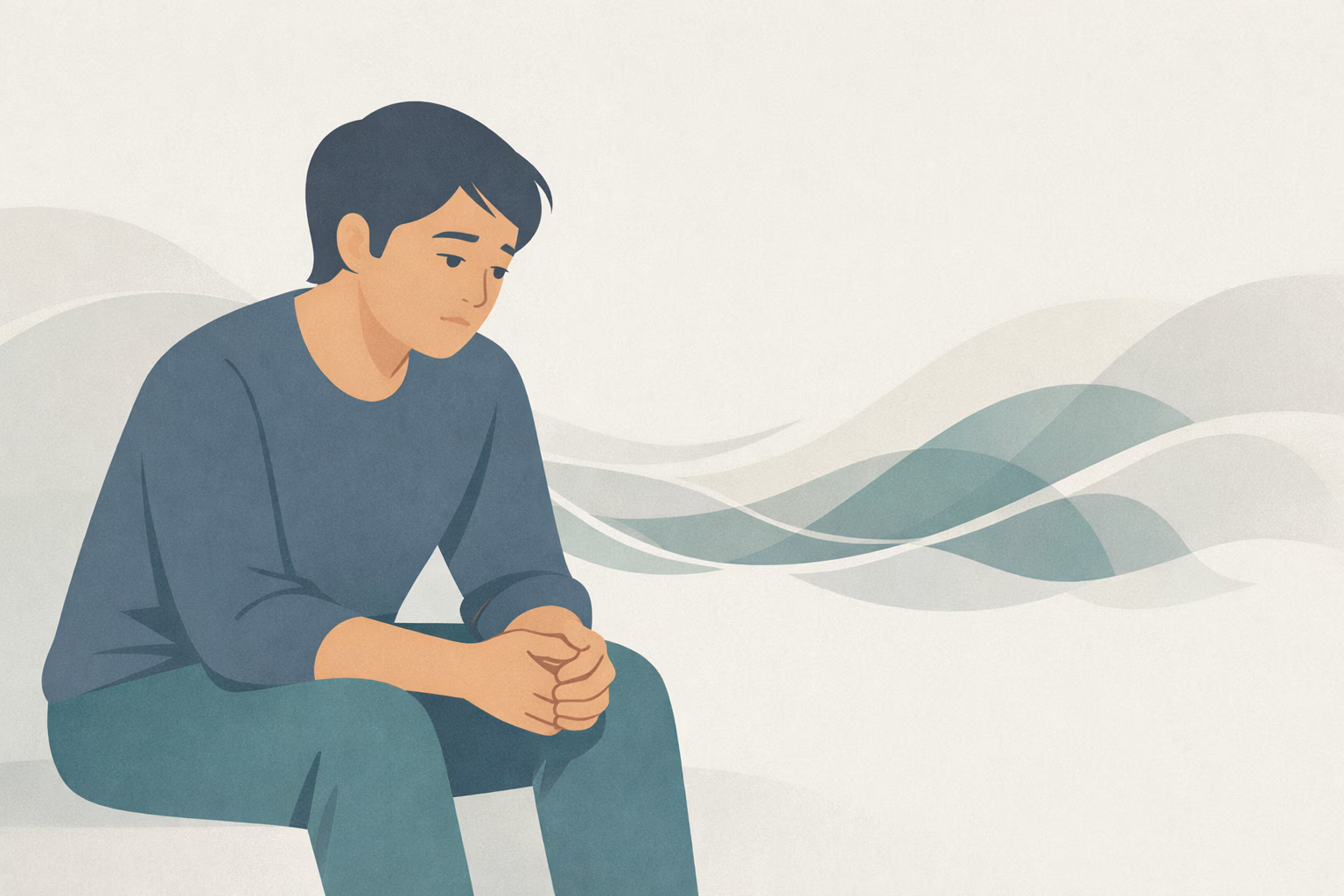
Naming temporal compression reduces pressure to catch up.
You are not behind.
There simply hasn’t been space yet.
Space returns before rest becomes possible.
Understand temporal compression with DojoWell.
Explore DojowellArticles exploring the psychology behind these patterns.
This is the "compression of time" that happens during saturation. In a hypermodern environment, moments stack without pause. Your Narrative system can’t find the "edges" of an experience because there is no transition time. In the Meaning Density Model™, this lack of space means experiences never "land," so they never become meaningful. You are living in a continuous stream of "now" that feels suffocating because it lacks the structural integrity of a beginning and an end.
You must manually insert "micro-endings." Even a ten-second gap where you consciously acknowledge "that task is over" before starting the next creates a structural boundary. In DojoWell, we call this "creating an edge." By intentionally ending one moment before entering the next, you give your Safety system a tiny window to breathe. These small pauses prevent the day from becoming one long, undifferentiated trigger, restoring a sense of agency to your time.
One Quiet Window, one insight, one reflection — every Sunday