

Stress Accumulation & Micro-Stress Burnout
Discover how tiny stressors accumulate and trigger burnout.
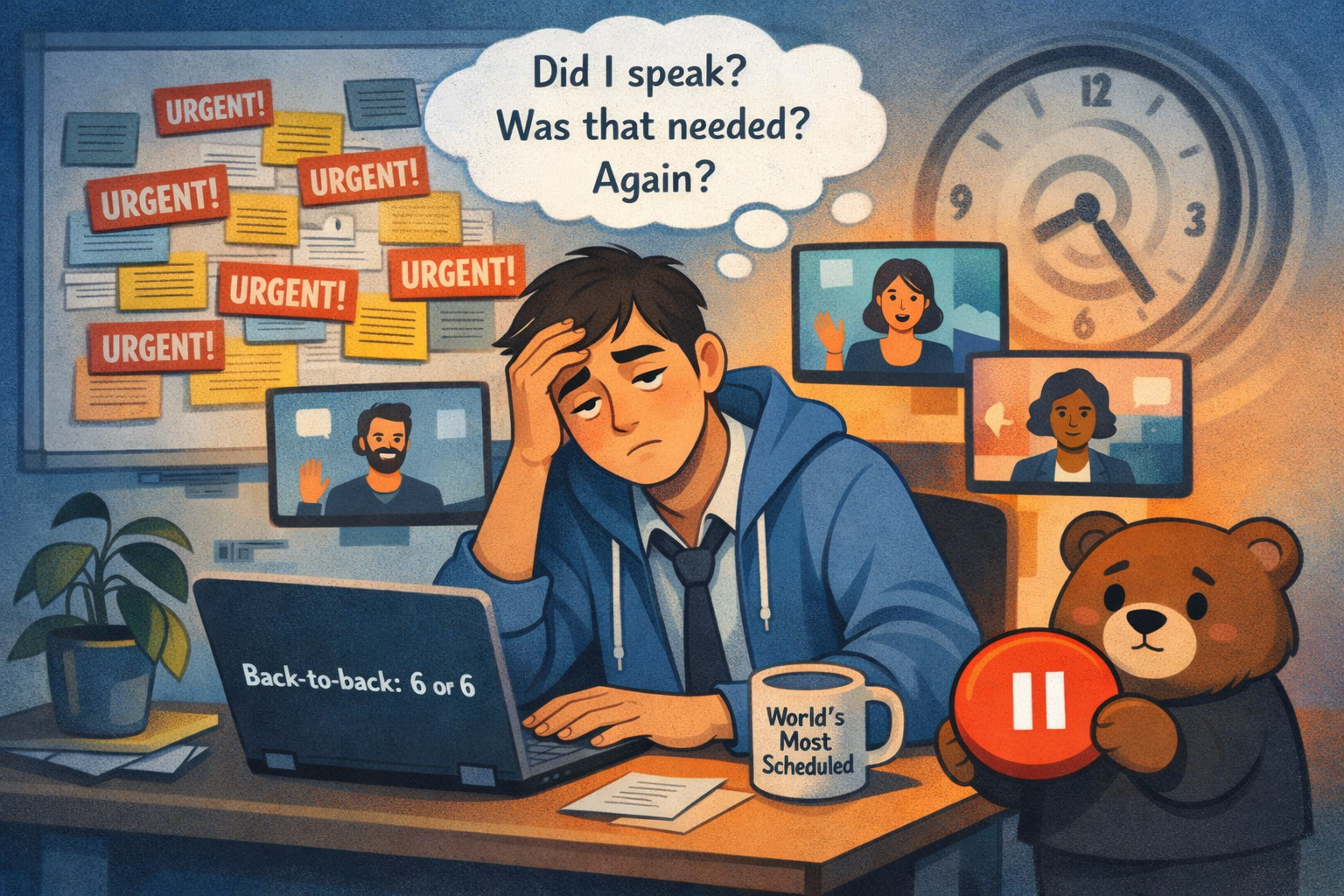
In context: This is “temporal overload,“ where micro-tasks accumulate until they exceed the “Meaning Density“ your brain can process. In the Hypermodern Era, triggers are infinite—pings, small decisions, social updates. Each takes a “thin“ slice of time, but they stack up without warning.

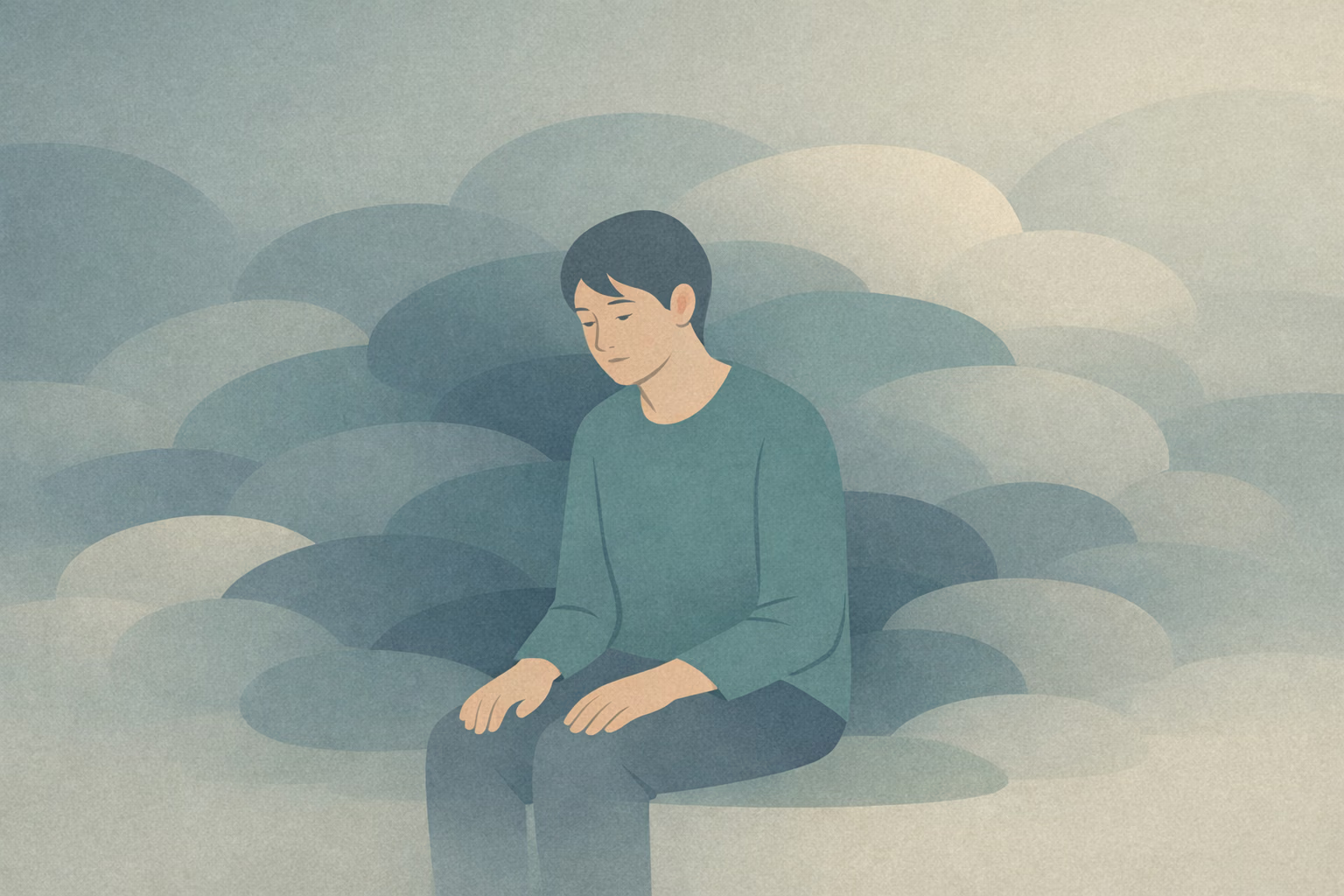
Too much fits inside one day.
Moments stack without pause.
Tasks overlap without space to complete.
This is temporal overload, not poor pacing.
Time compresses when demand remains constant.
Naming this removes pressure to manage better.
You are not misusing time.
Time is being filled beyond its capacity.
Recognition steadies the system and prepares the ground for relief.
Name temporal overload gently with DojoWell.
Explore DojowellArticles exploring the psychology behind these patterns.
This is "temporal overload," where micro-tasks accumulate until they exceed the "Meaning Density" your brain can process. In the Hypermodern Era, triggers are infinite—pings, small decisions, social updates. Each takes a "thin" slice of time, but they stack up without warning. Your Narrative system loses its ability to find the "edges" between moments, making the day feel like one long, undifferentiated surge of pressure.
You cannot "fix" it by moving faster; that just increases the turbulence. You must manually insert "structural gaps." Stop for three minutes and do absolutely nothing—no phone, no planning. This creates a "temporal edge." In the Meaning Density Model™, these small gaps allow your Integrator to catch up. By creating an artificial "ending" to one segment of the day before starting the next, you prevent the micro-tasks from collapsing into a single, suffocating weight.
One Quiet Window, one insight, one reflection — every Sunday