

Emotional Logistics & Inner Organization
Learn how to organize emotional responsibilities like tasks.
In context: No. “Becoming the storage“ is a structural role, not a personal flaw. Often, those with a high-capacity Status & Control system naturally end up holding the responsibilities others drop. In the Meaning Density Model™, this shifts your identity from “Participant“ to “Repository.
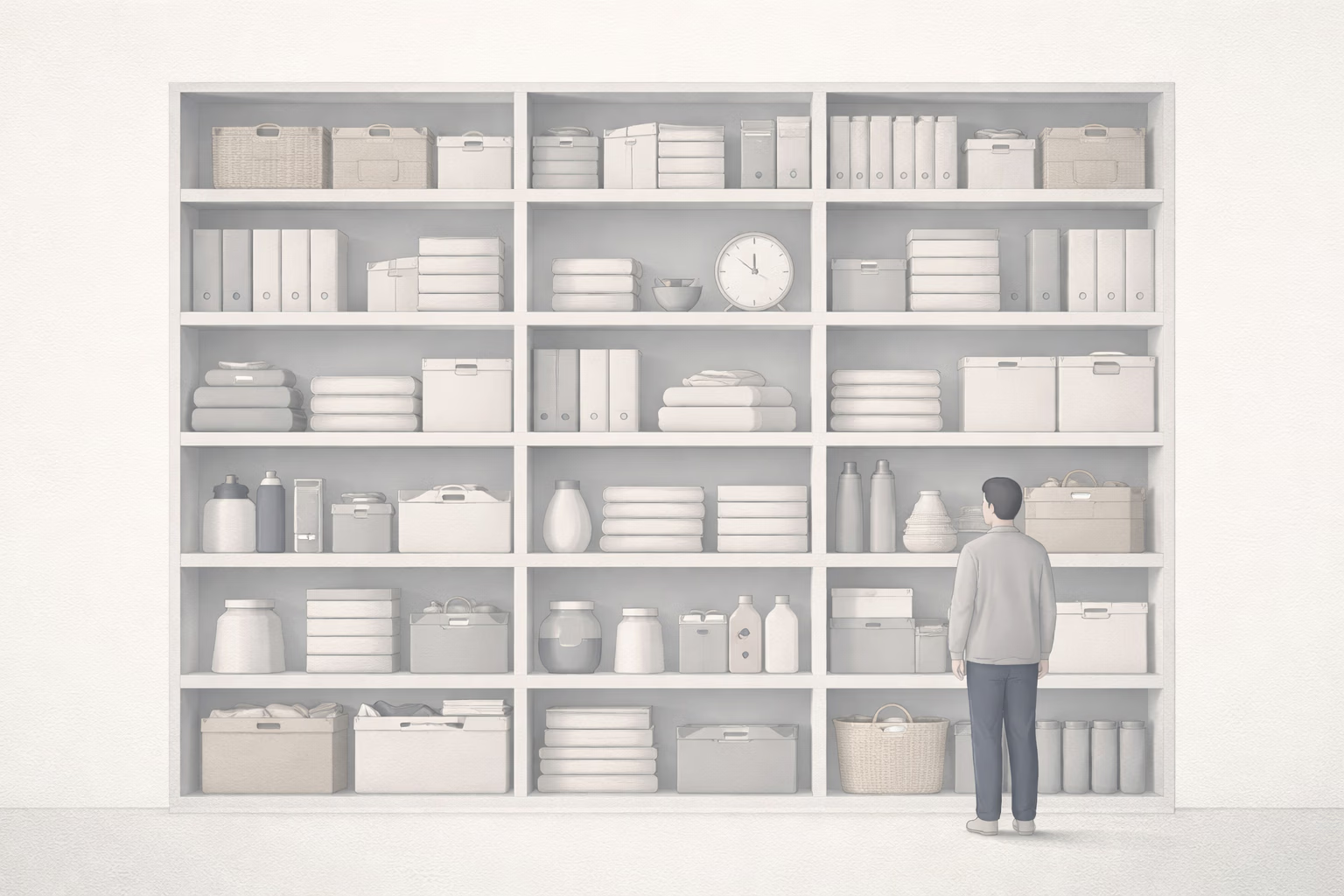
At some point, you became the storage.
Other people’s needs, unresolved tasks, lingering responsibilities found a place inside you.
This is not because you failed to set boundaries.
It is because you were capable.
Shifting identity away from fault matters here.
You did not become heavy— you became relied upon.
Recognition restores fairness to the story.
Release self-blame around responsibility with DojoWell.
Explore DojowellArticles exploring the psychology behind these patterns.
Learn how to organize emotional responsibilities like tasks.
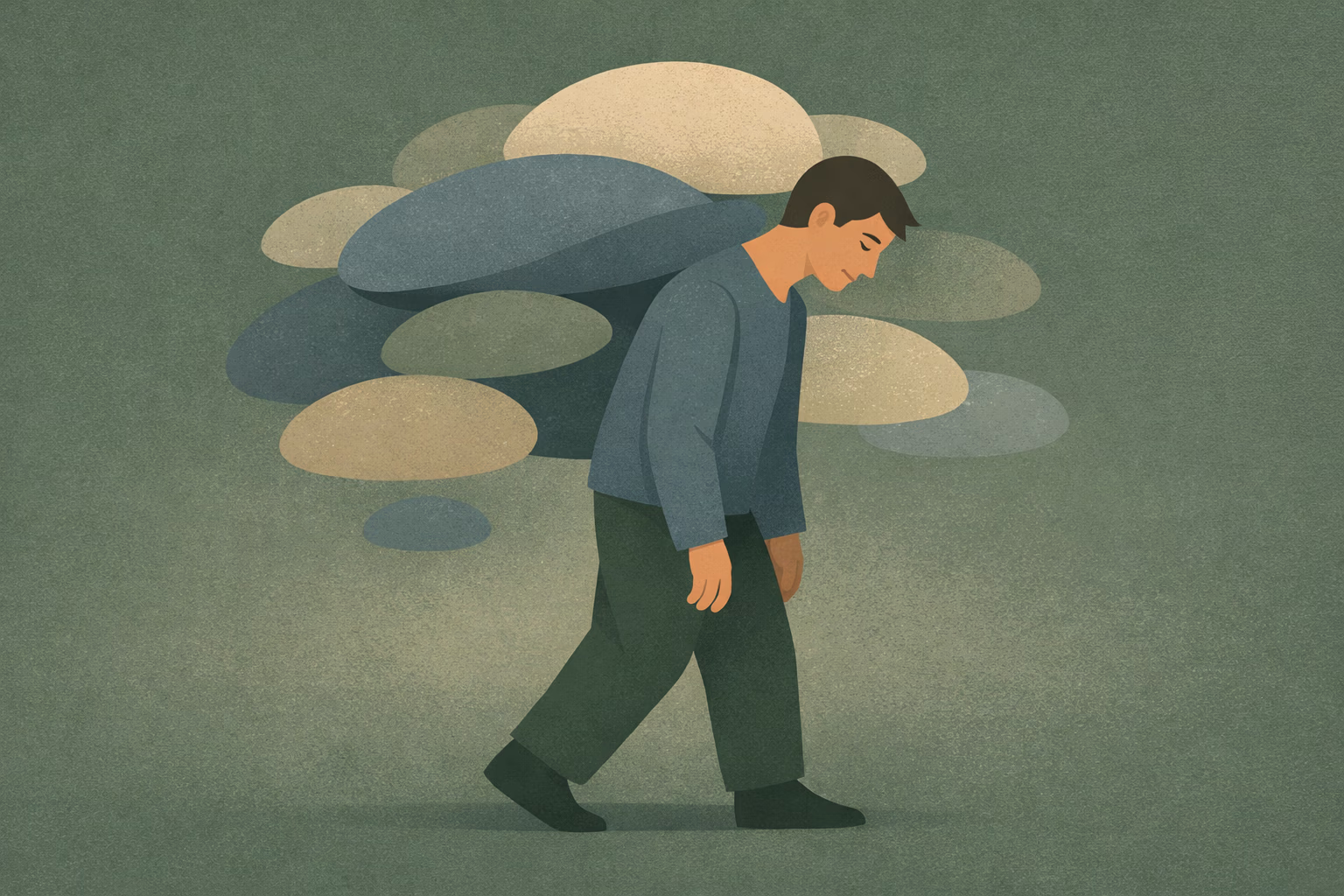
Understand how emotional weight builds and how to lighten it.

Understand why humans crave control and how it becomes emotionally addictive.
No. "Becoming the storage" is a structural role, not a personal flaw. Often, those with a high-capacity Status & Control system naturally end up holding the responsibilities others drop. In the Meaning Density Model™, this shifts your identity from "Participant" to "Repository." You aren't broken; you are simply over-taxed by "external loops" that have landed in your system. Recognizing this as a "load distribution issue" helps remove the self-blame.
You must practice "Structural Boundary Setting." This doesn't mean saying "no" to everything, but rather recognizing your "Meaning Density" limits. When someone hands you a "loop," ask yourself: "Do I have the room to finish this?" If not, acknowledge that taking it on will only result in an unfinishable, "thin" experience for everyone. By prioritizing the completion of what you already hold, you actually become more effective and less burdened.
One Quiet Window, one insight, one reflection — every Sunday