

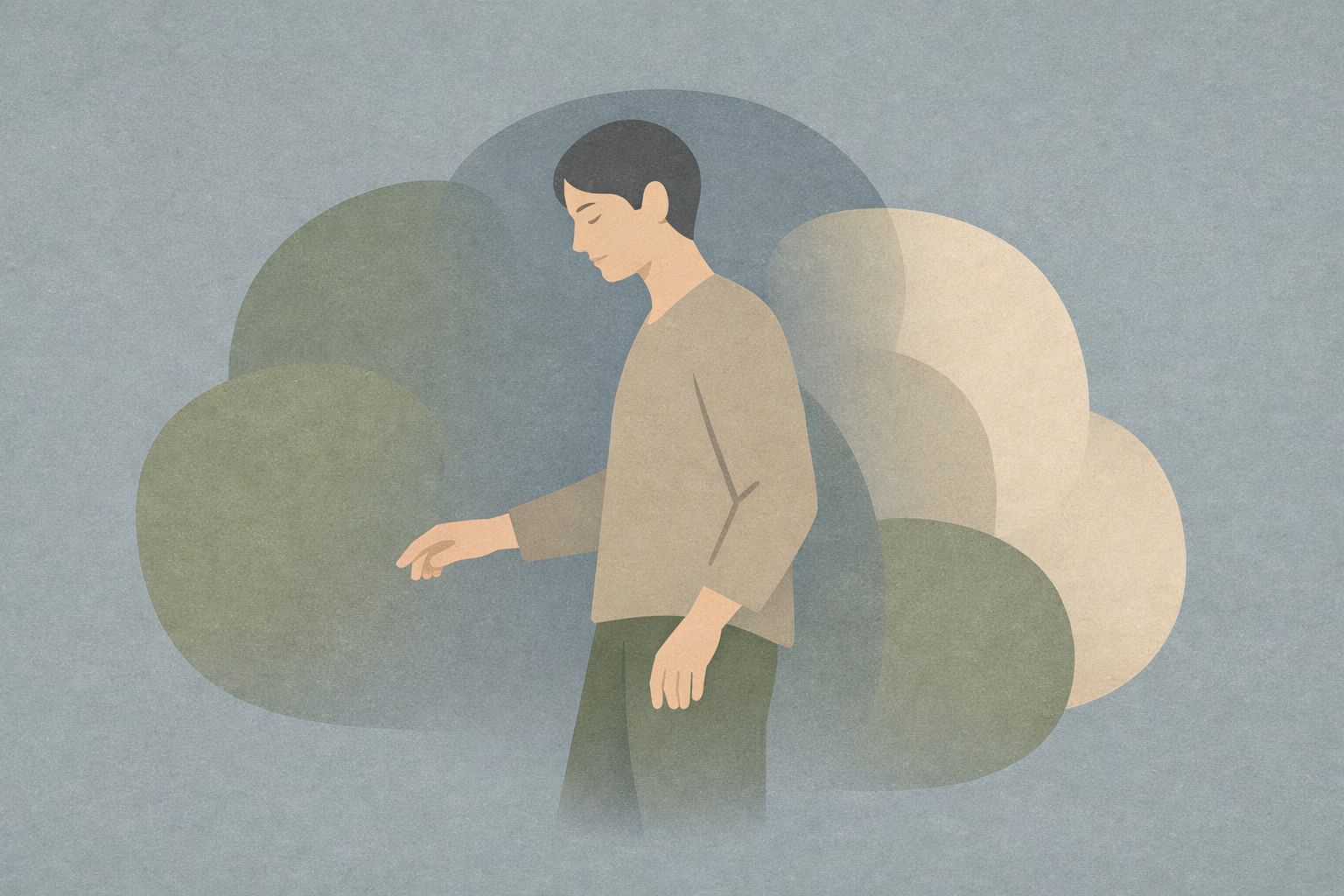
Procrastination as a Defense Mechanism
Learn why procrastination is self-protection, not laziness, and how to break the avoidance loop.
In context: Yes, by utilizing “The Space Before Any Next Step.“ In the Meaning Density Model™, we often “collapse“ the space between thinking and doing, which triggers a Threat response. By intentionally inserting a “Stabilizing Pause,“ you restore your “Structural Autonomy.
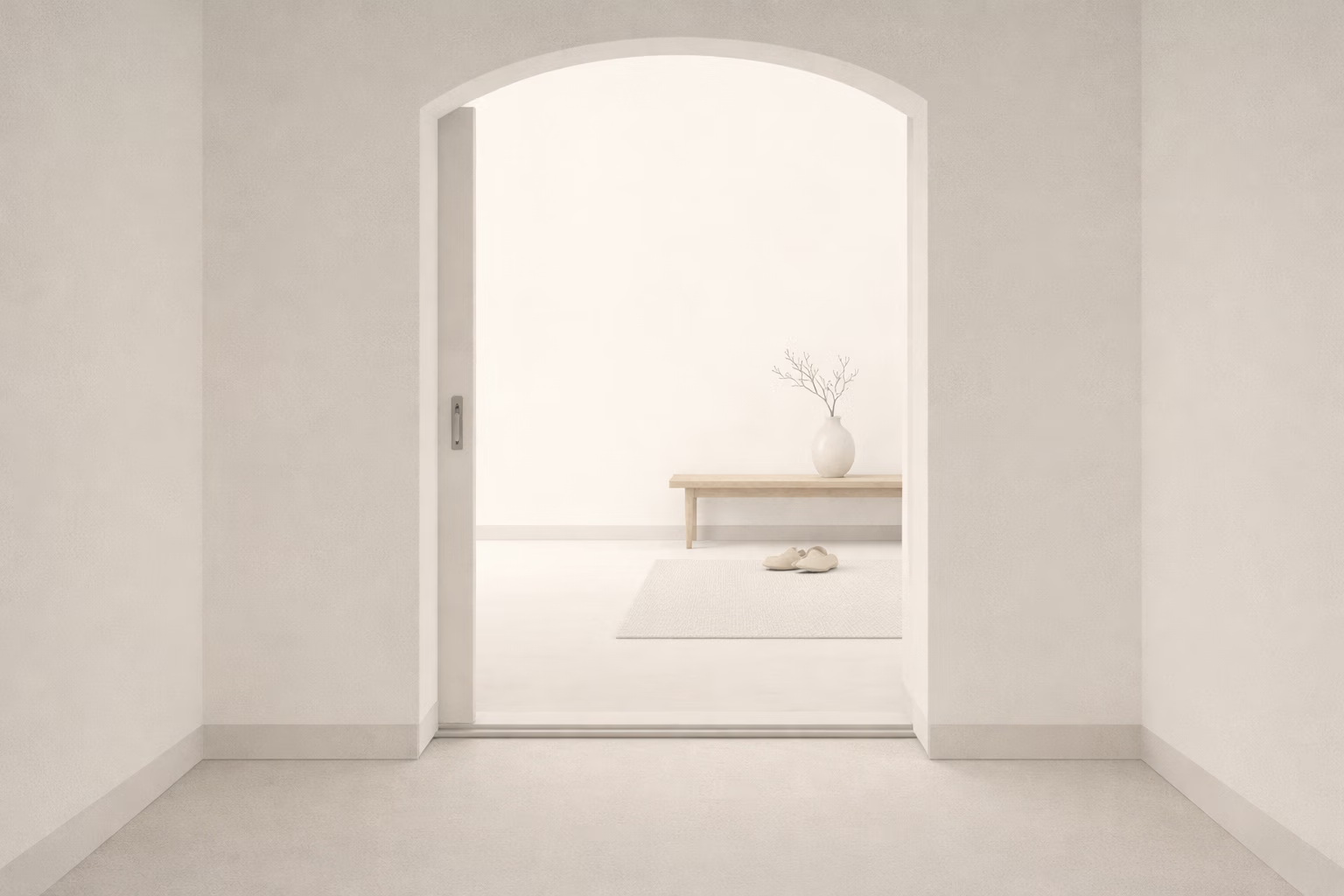
There is a space before any next step.
It is not hesitation.
It is orientation.
Standing here allows the body to register safety without being pushed forward.
This pause is not wasted time.
It is where readiness becomes optional.
Let the doorway remain open without crossing.
Presence does not require progression.
Honor pre-action space with DojoWell.
Explore DojowellArticles exploring the psychology behind these patterns.
Learn why procrastination is self-protection, not laziness, and how to break the avoidance loop.

Learn how to identify early signals of avoidance before the loop activates.
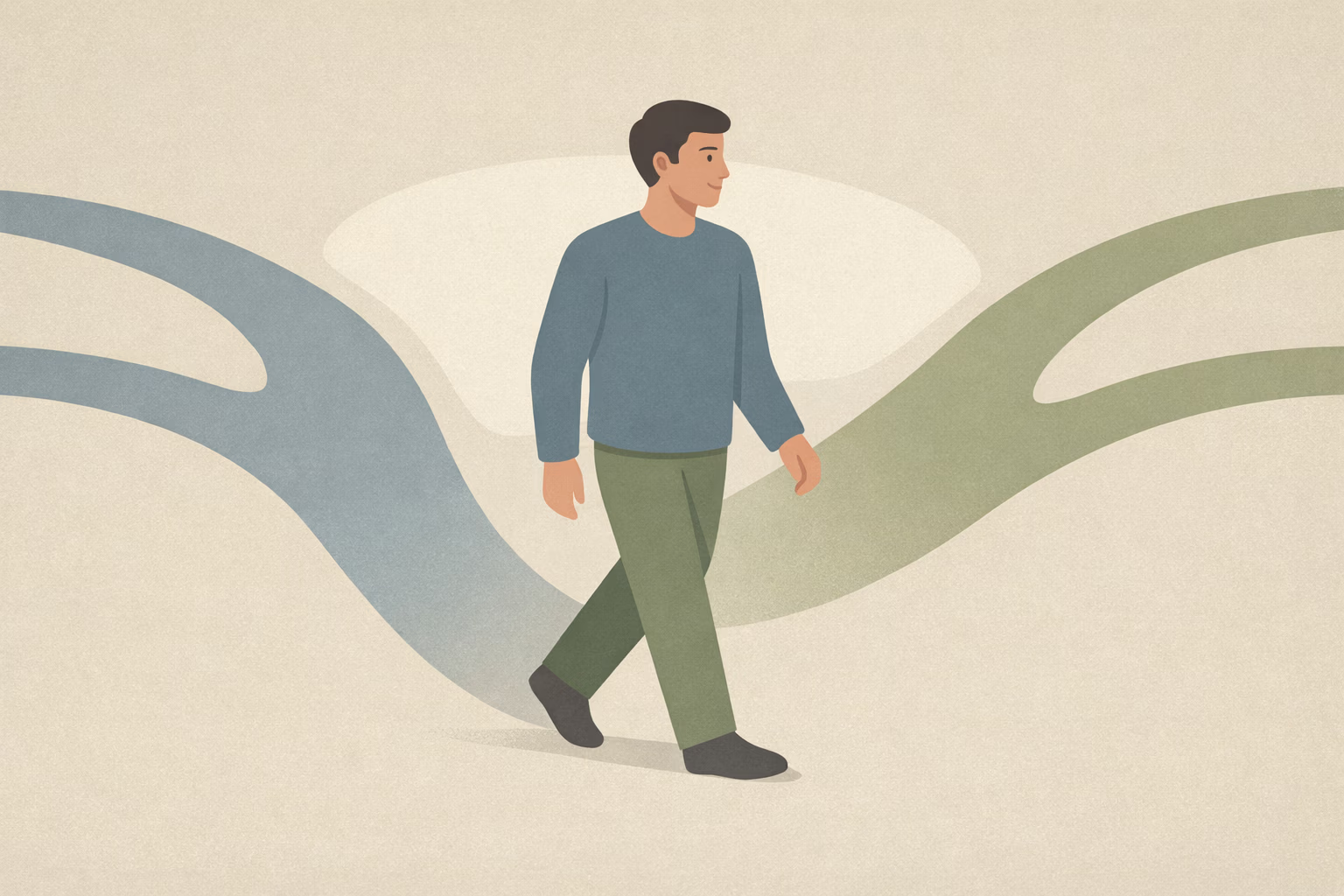
Learn why avoidance is neurologically rewarding and how to break the cycle.
Yes, by utilizing "The Space Before Any Next Step." In the Meaning Density Model™, we often "collapse" the space between thinking and doing, which triggers a Threat response. By intentionally inserting a "Stabilizing Pause," you restore your "Structural Autonomy." This space allows your Safety system to verify that the next step is a choice, not a compulsion, significantly reducing the "Entry Friction" of the task.
It only needs to be long enough for one full breath or a conscious "Check-In." The goal is not "delay," but "Orientation." DojoWell suggests that even five seconds of "Non-Action" before starting a task can lower the Action Pressure enough to prevent an Avoidance Loop from forming. It’s about proving you are the "Integrator" of the move, not just a reactive part of the machine.
One Quiet Window, one insight, one reflection — every Sunday