

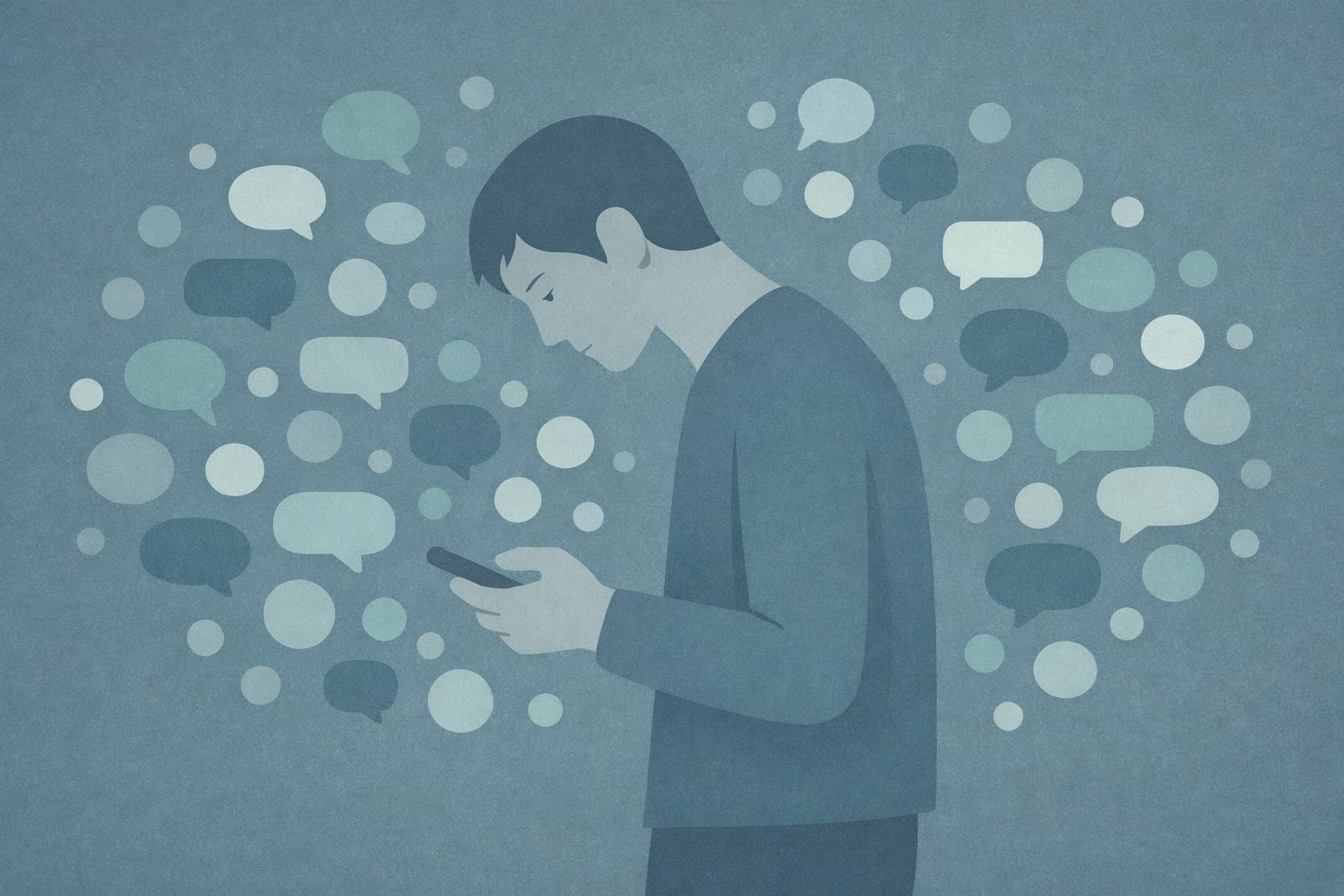
Smartphone Addiction: How Tech Hijacks Your Dopamine System
Screens activate ancient reward pathways.
Read articleArticles exploring how screens, feeds, alerts, entertainment, and algorithms reshape attention, reward learning, anxiety, sleep, and relationships—then pull you into loops that feel “automatic.”
Why screens feel irresistible: reward anticipation, social validation, comparison, autopilot cues, and the scroll–escape–regret cycle that keeps repeating.
Screens activate ancient reward pathways.
Read article
Why modern screens over-activate reward pathways.
Read article
Infinite scrolling as engineered dopamine capture.
Read article
Validation seeking linked to social survival instincts.
Read article
Social comparison amplified by digital visibility.
Read article
Social media hijacks belonging + reward circuits.
Read article
Social comparison and tribe fear magnified by infinite exposure.
Read article
Scrolling soothes then triggers shame → repeat.
Read article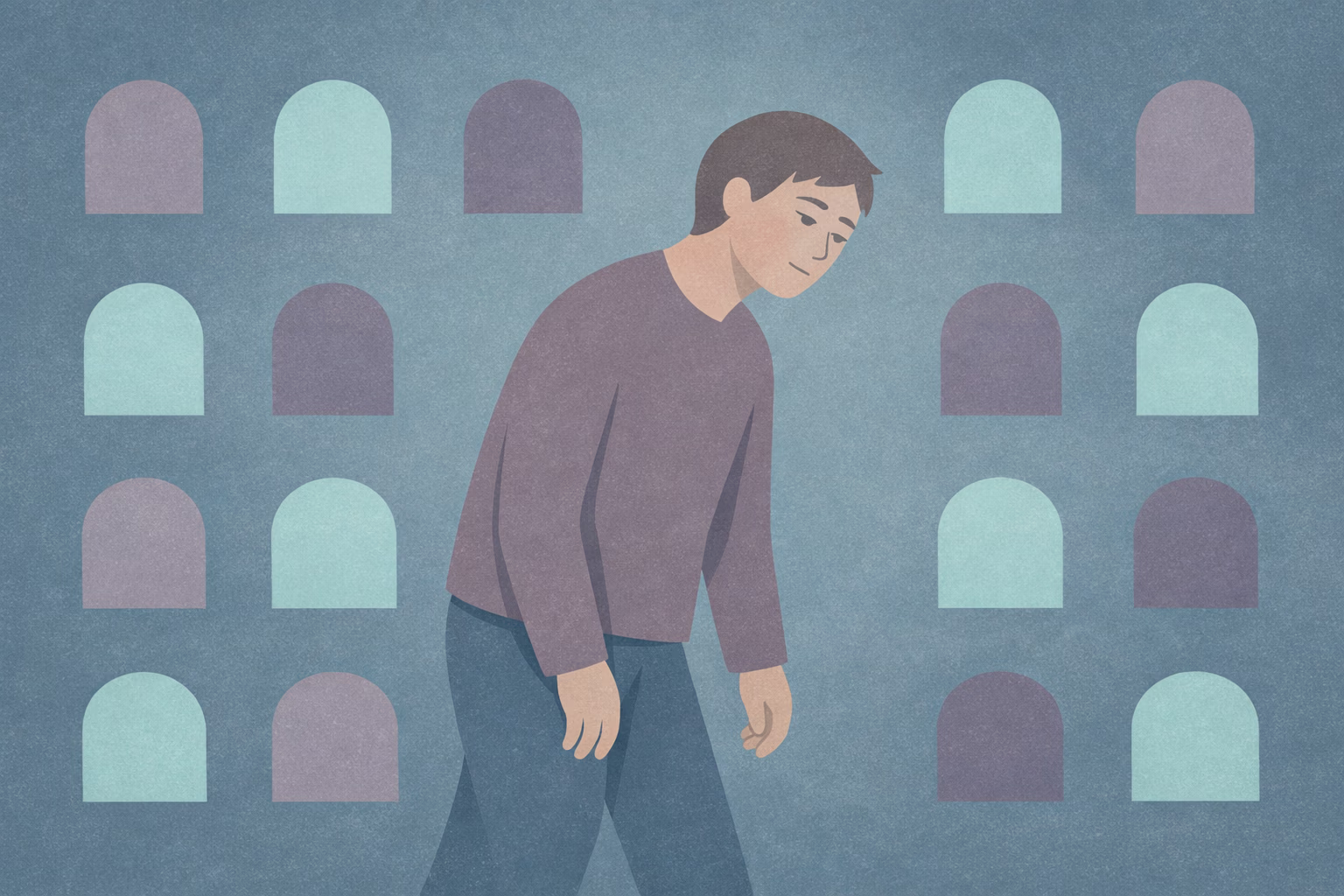
Habit loops formed through cue–reward automation.
Read article
Digital availability mimics tribal survival obligations.
Read article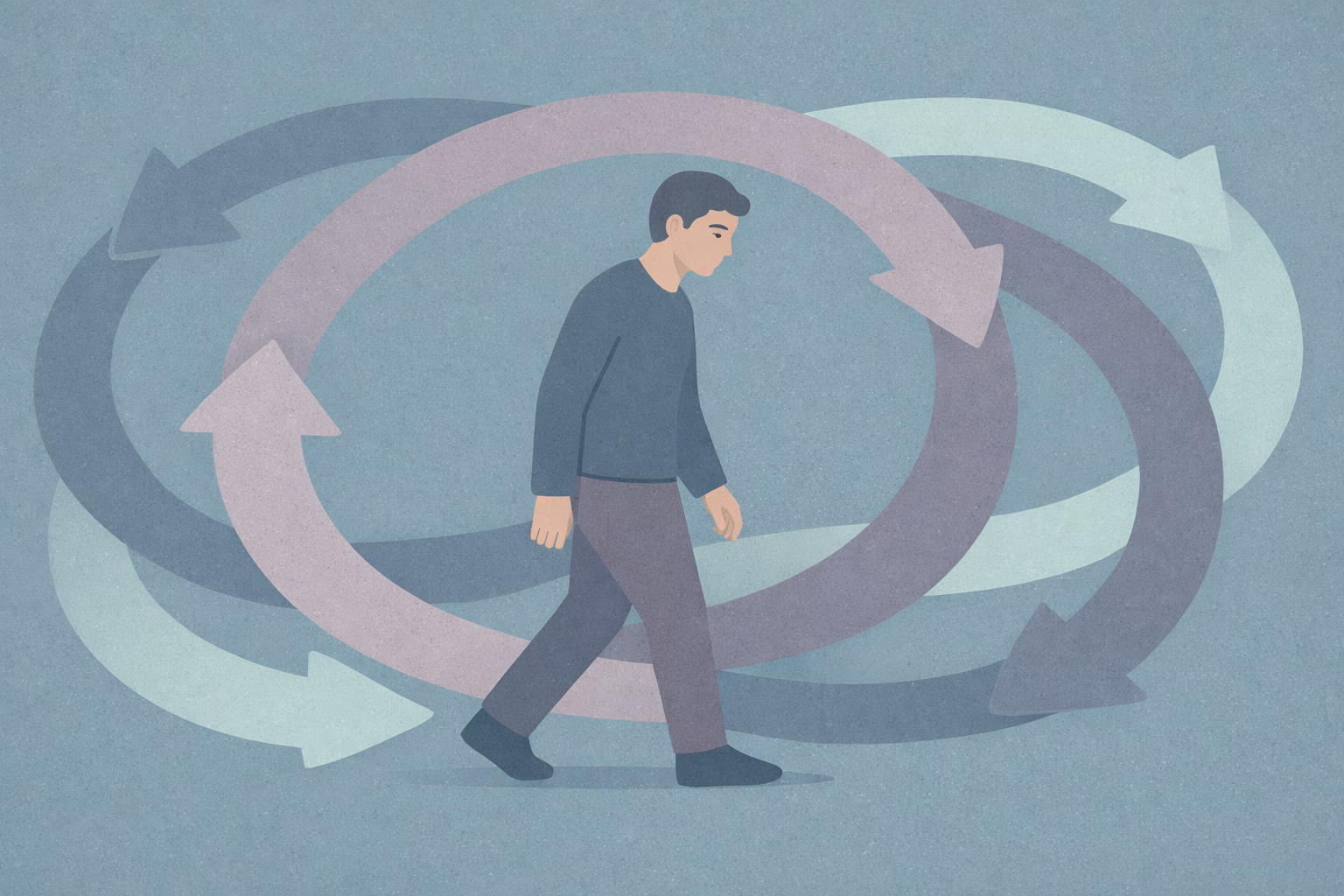
Dopamine + algorithmic reinforcement patterns.
Read article
Infinite feed exploits reward anticipation circuitry.
Read article
Tech replaces emotional regulation skills.
Read article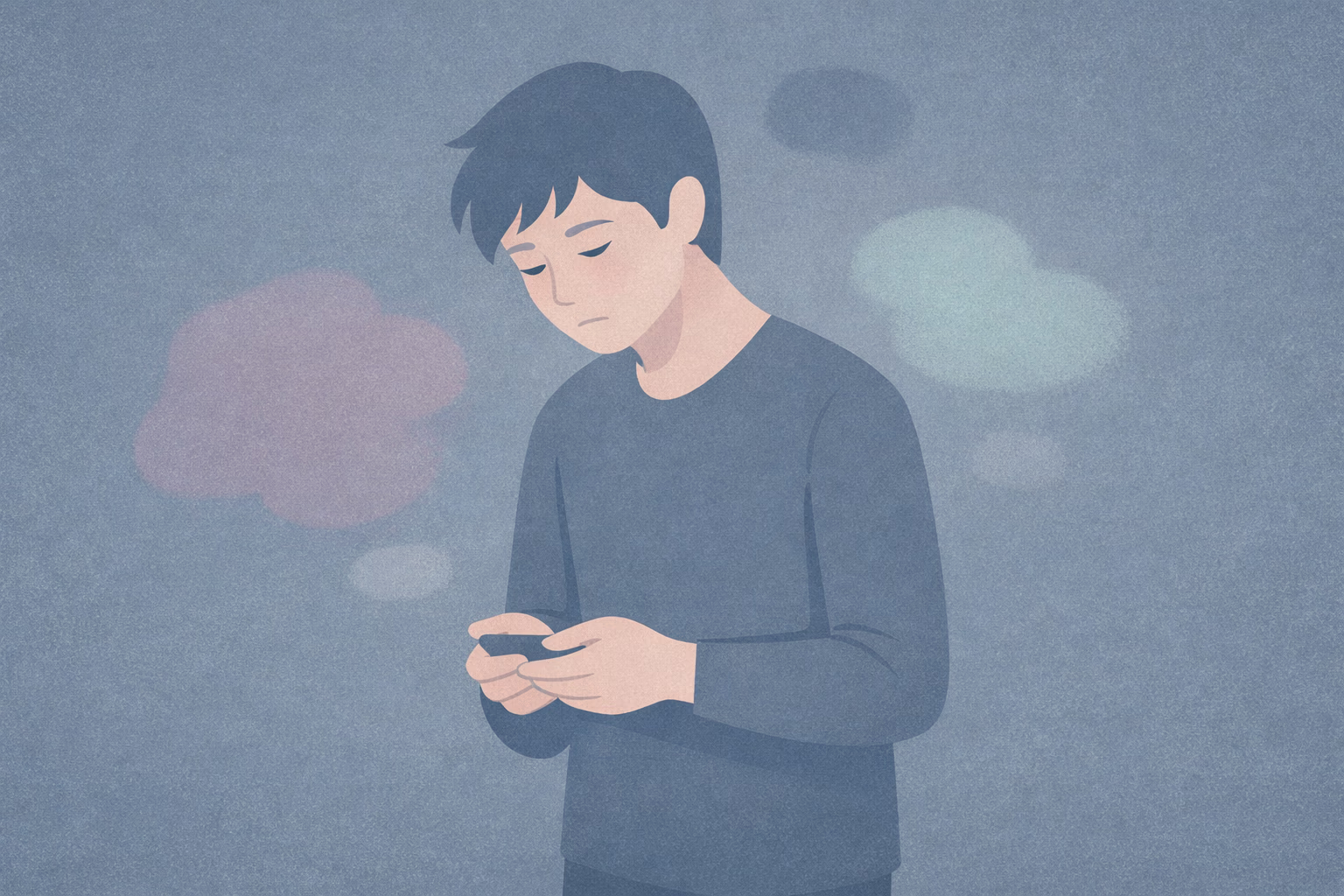
Craving rooted in emotional need, not just dopamine.
Read article
Attention fragmented by dopamine-driven design.
Read article
Recalibration restores baseline sensitivity.
Read article
Low-stimulation living restores emotional balance.
Read article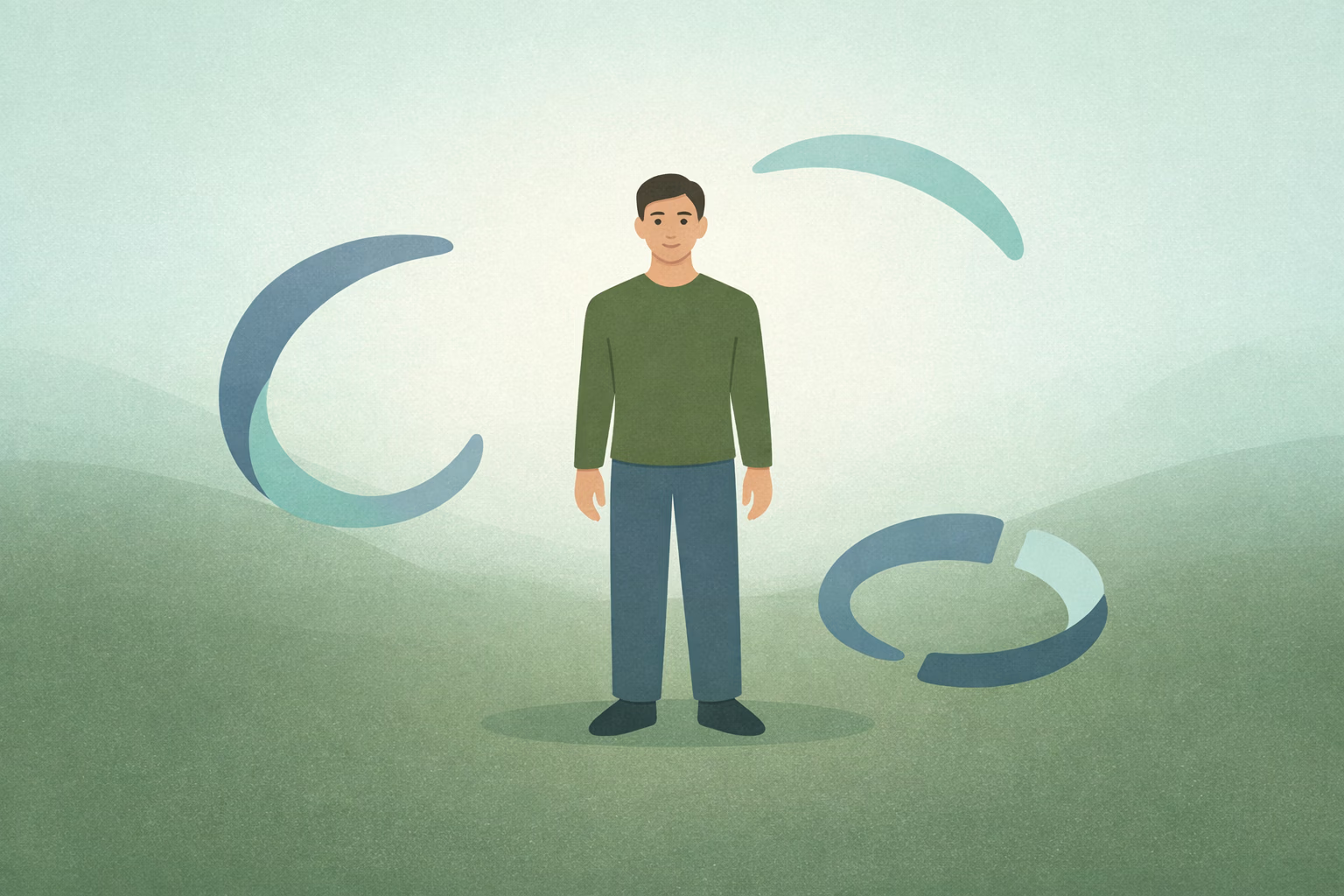
Cycle created by dopamine-seeking behaviors.
Read articleThis is the result of Anticipation-Based Reward Loops. Your "Reward & Pursuit" system is designed to seek out "Variable Rewards"—information that might be there. The phone acts as an infinite trigger; even without a notification, checking provides a tiny dopamine hit based on the possibility of a reward. This keeps you in a permanent "Seeking Mode." Reclaiming attention requires building structural "endings" that signal a completion point to your nervous system.
Compulsive scrolling is a "low-density" activity that creates Information Overload without Integration. Because there is no "Done Signal" in an infinite feed, your "Narrative & Identity" system cannot keep up with the rate of input, resulting in "leaky loops." The mental fog occurs when your Executive System is bypassed by your Pleasure System. True meaning requires "Contiguous Attention"—stopping the scroll to allow your brain to turn experience into insight.
This is a byproduct of the Status & Control System being amplified by digital visibility. Social media triggers a constant "Threat Signal" by exposing us to a global "tribe" of curated success, suggesting we are falling behind. This creates a Power Loop where you perform for approval to regain social safety. Meaningful growth returns when you shift your focus from "Relative Ranking" to "Value-Aligned Movement," using an internal compass rather than digital metrics.
Yes, through Dopamine Recalibration. Overstimulation causes your brain to downregulate its receptors, leading to a "Pleasure Plateau" where normal life feels flat. By intentionally reducing digital noise, you allow your "Reward System" to regain its sensitivity. As your baseline resets, your motivation returns for "High-Density" activities—like deep reading or manual hobbies—that provide the biological satisfaction and "settlement" that screens cannot.
This is an Avoidance Loop disguised as rest. You reach for the phone to escape boredom or stress, but the high stimulation prevents actual nervous system recovery. Because the loop never provides a "Done Signal," you stay on the device until biologically exhausted. True rest requires Somatic Regulation, not just distraction. Catching the "Phone Craving" as an emotional signal allows you to shift from a reactive habit to a meaningful choice.
Alerts train your nervous system like a bell: check, anticipate, repeat—until your attention becomes reactive by default.

Frequent alerts train the brain for compulsive checking.
Read article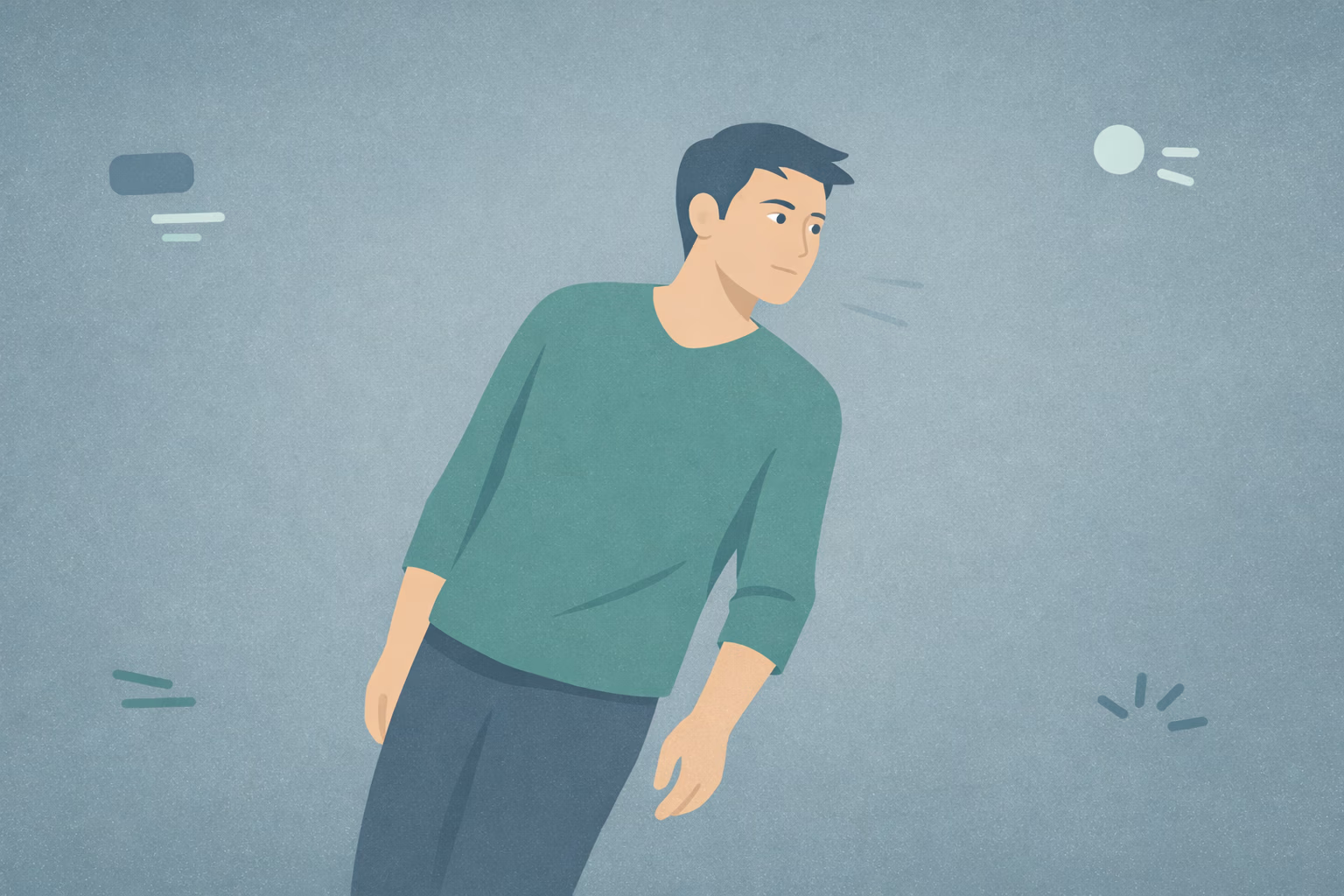
Alerts create Pavlovian attention loops.
Read articleThis is a Pavlovian Attention Reflex. In the Dojowell framework, alerts are engineered micro-reward signals that mimic ancient survival cues. Your brain treats the "ping" as a high-priority trigger that must be resolved to close a loop. However, since most notifications are "low-density" noise, they never provide a real "Done Signal," keeping you in a Pleasure Loop of constant checking that fragments your Narrative System.
In the Meaning Density Model™, silence is often misidentified as a "withdrawal state." If you use chronic overstimulation as an emotional regulator, silence allows the "internal volume" of unprocessed emotions to become audible. Your nervous system interprets this lack of input as a threat, triggering anxiety. Silence isn't empty; it is a container for integration and a signal of safety and self-contact.
You are likely experiencing Low Dopamine Fatigue. Constant pursuit of micro-dopamine hits from screens causes your brain to downregulate its receptors to protect itself. This lowers your baseline of joy and drive. Your energy is restored not by finding more stimulation, but by allowing your neurochemistry to recalibrate. When you reduce overstimulation, your drive for high-density participation naturally returns.
Resistance is a predictable Withdrawal Response. When you remove digital stimulation, your system loses its primary tool for "Avoidance." The irritability you feel is the biological friction of your reward circuits returning to their natural sensitivity. At Dojowell, we view this as "healing pain"—a sign that your system is moving from a state of consumption back toward autonomy.
The deeper issue is Neurochemical Disalignment. Screens engage your Reward & Pursuit System with dopamine—a biological "Go" signal—right when your system should be shifting into the integration phase of sleep. This prevents the "Done Signal" required for rest. By bringing stimulation into the bedroom, you keep the loop open, leaving you mentally wired but biologically spent.
When your baseline is constantly stimulated, stillness can feel like threat. These articles explain the crash, withdrawal, fatigue, and sleep disruption.

Why silence activates threat circuits accustomed to constant stimulation.
Read article
Chronic stimulation depletes baseline dopamine.
Read article
Resistance arises from fear of losing stimulation + social cues.
Read article
Long-term overstimulation rewires reward + stress circuits.
Read article
Silence activates withdrawal + threat circuits.
Read article
Explains fatigue, irritability, and low mood as dopamine crash symptoms.
Read article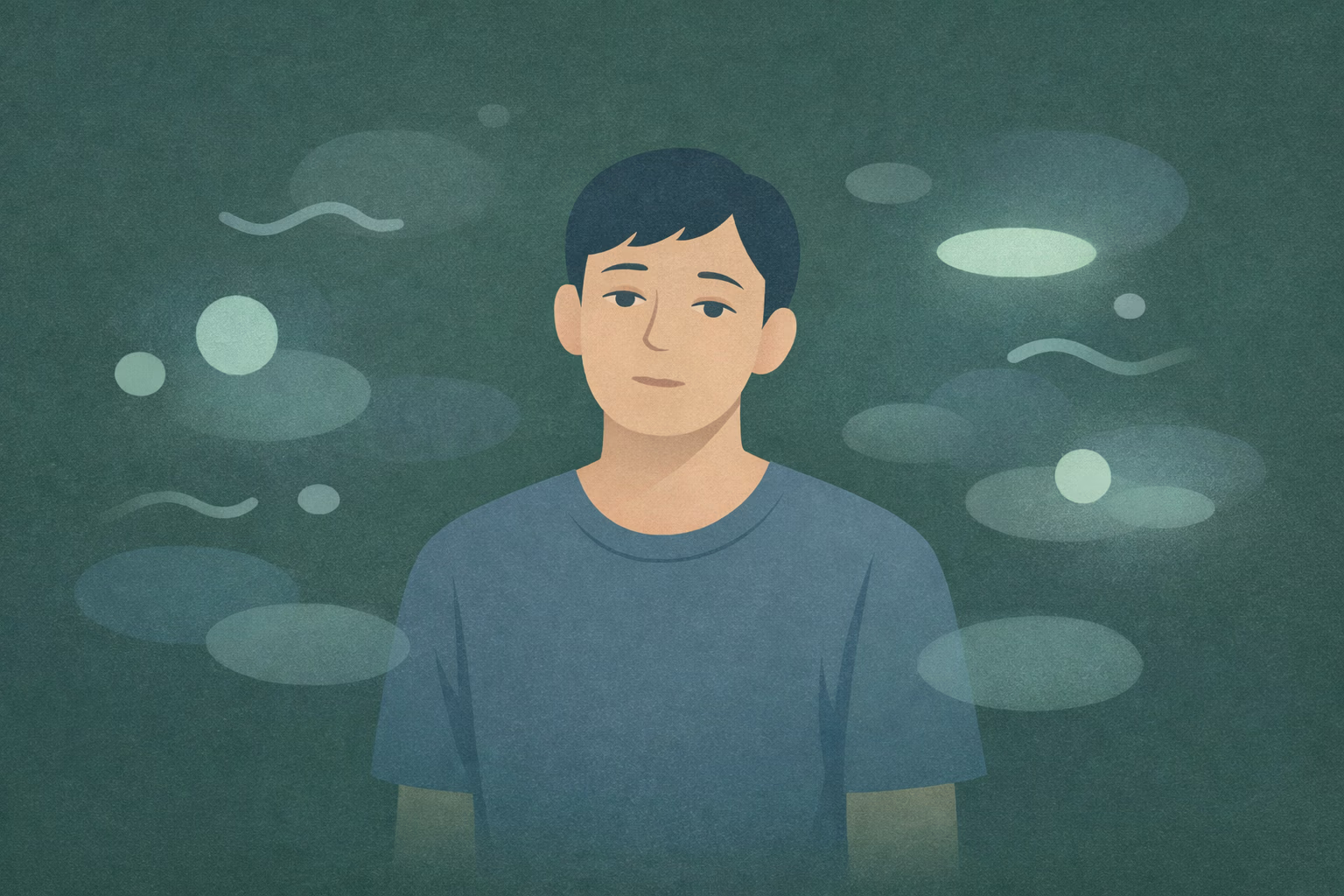
Screens disrupt dopamine + melatonin balance.
Read article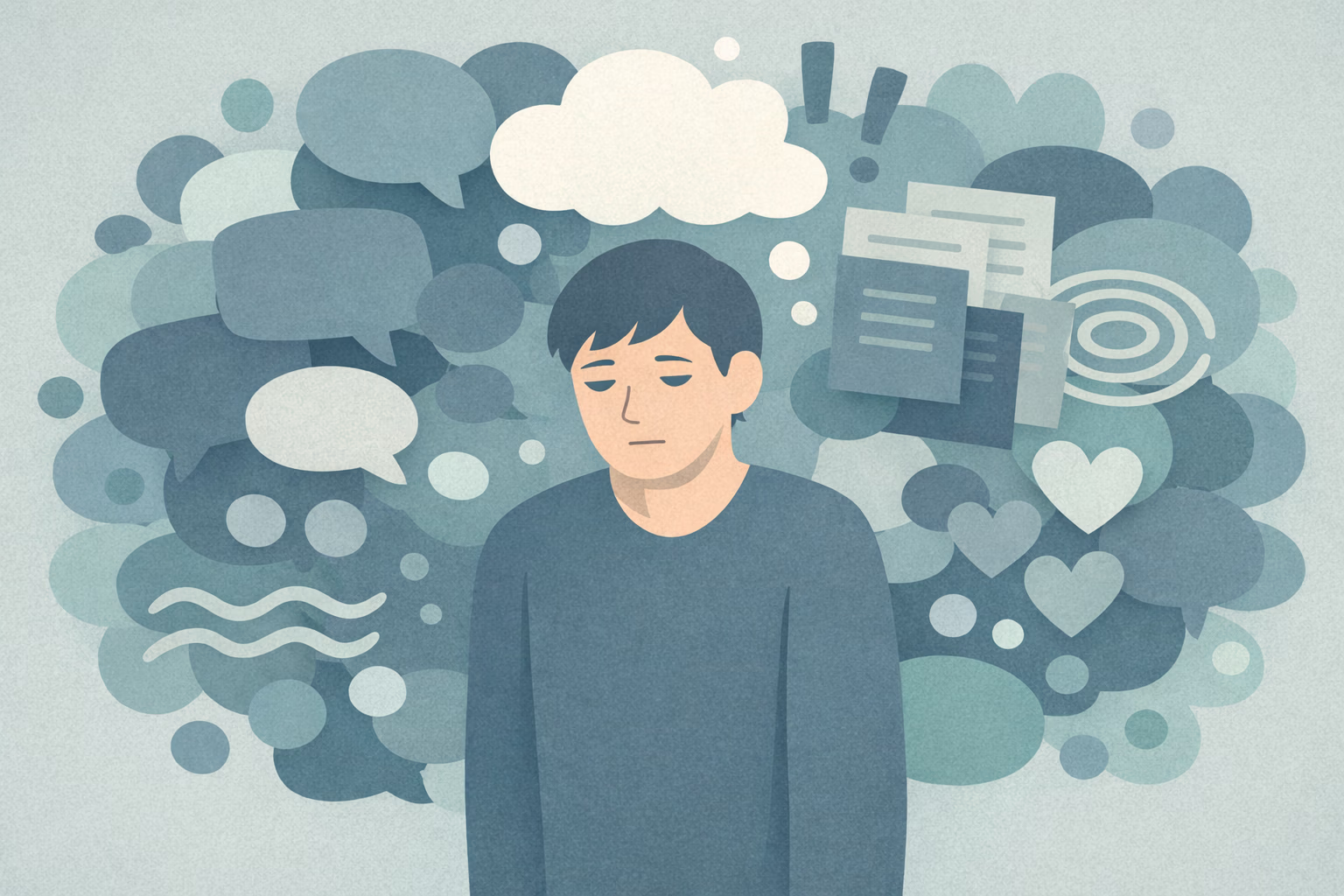
Chronic sensory overload leads to emotional flooding.
Read articleThis is the "One More Episode" Anticipation Loop. Engineered cliffhangers exploit your reward circuitry by creating "unresolved narrative tension." Your brain views an unfinished story as an open loop that must be closed to achieve safety. Reclaiming agency means manually creating a "Done Signal"—such as stopping mid-episode—to allow your system to settle into rest rather than staying trapped in an infinite Pleasure Loop.
Doomscrolling is a survival-driven Avoidance Loop within your Threat & Safety System. Anciently, scanning for danger was a way to regain control. Today, your brain tries to "solve" global uncertainty with more information, but since the threats are abstract and infinite, the loop never closes. Safety returns through "Somatic Regulation" and shifting from passive monitoring to small, meaningful actions in your physical environment.
This is "Choice Overload," a structural desensitization of your Reward System. When exposed to an infinite marketplace, your brain stays in "Seeking Mode" and never shifts into "Connection Mode." This creates a Pleasure Loop where swiping replaces the "Done Signal" of true intimacy. You feel flat because your capacity for desire is being thinned by excess. Meaningful connection requires limiting the "Seeking" to prioritize "Presence."
It is a result of Attention Extraction. Algorithms learn your specific Avoidance Loops and feed you content that prevents you from reaching a state of "Contiguous Attention." This mental fragmentation is a structural byproduct of the "Economics of Distraction." Protecting your focus is about treating attention as a finite resource. When attention is whole, life feels "dense" and meaningful; when it is extracted, life feels hollow.
Resistance is the biological friction of Dopamine Recalibration. When you remove a device, your Threat System interprets the lack of stimulation as a "Safety Void." At Dojowell, we view this restlessness not as failure, but as evidence that your "Integrator" is coming back online. By staying with the discomfort, you allow your "Narrative & Identity" system to finally update, restoring the coherence of your inner life.
Entertainment becomes escape when it numbs signals. These articles explain binging, cliffhangers, and why “one more” is engineered.
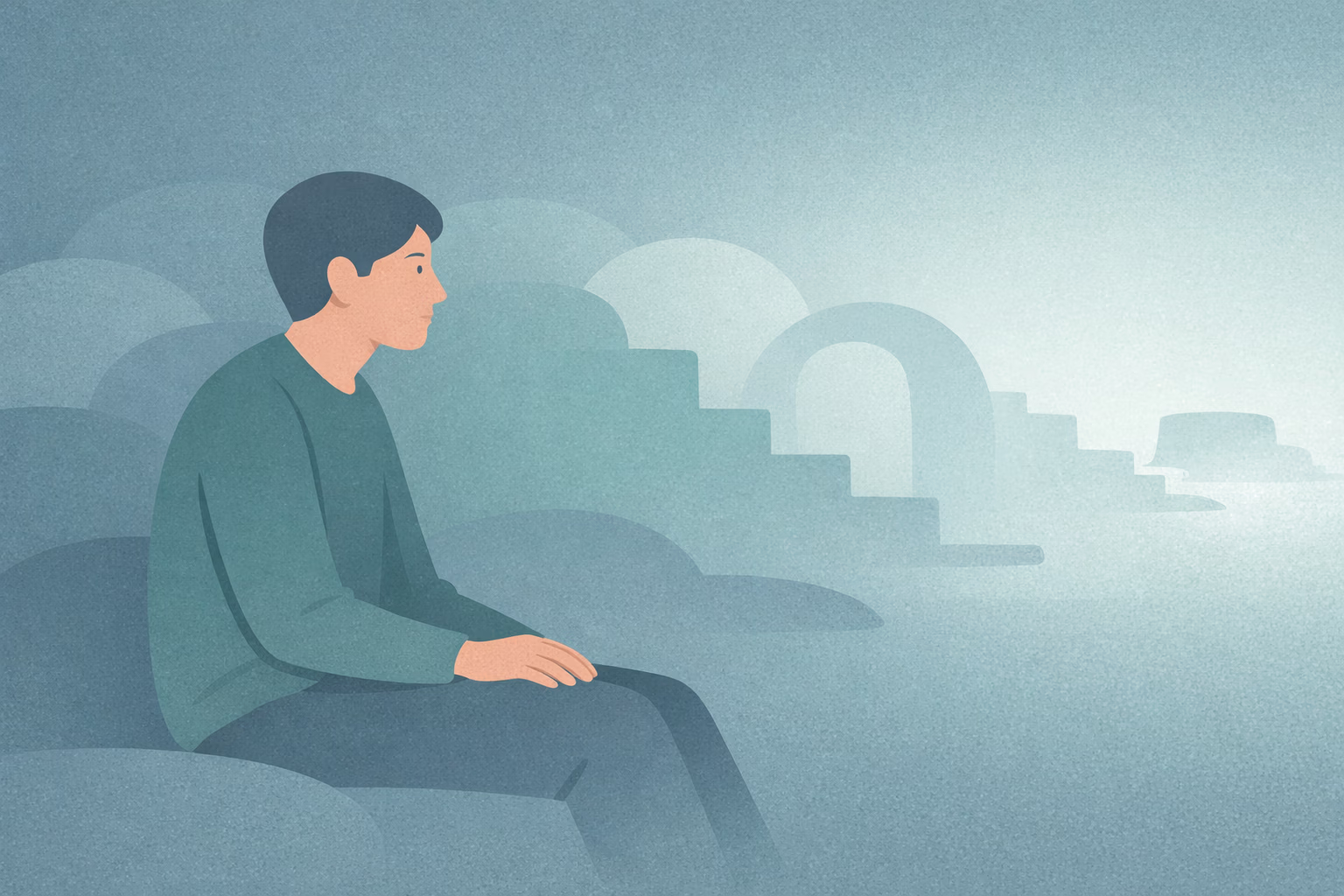
Cliffhangers exploit ancient reward anticipation circuitry.
Read article
Binging suppresses emotional signals.
Read articleWhen attention is the product, design becomes persuasion. These articles explain monetized focus and the economics behind distraction.
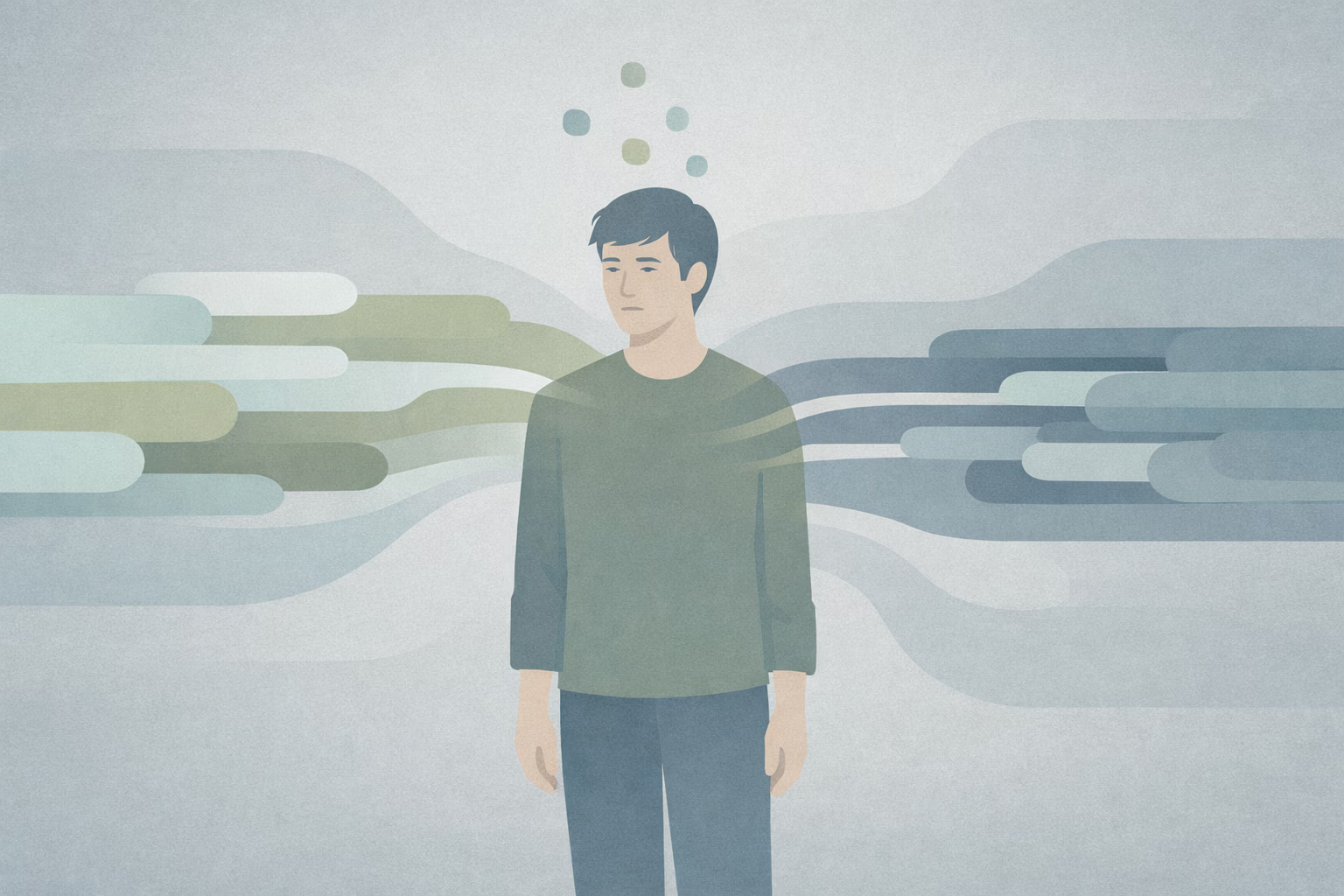
Attention economy hijacks reward systems.
Read article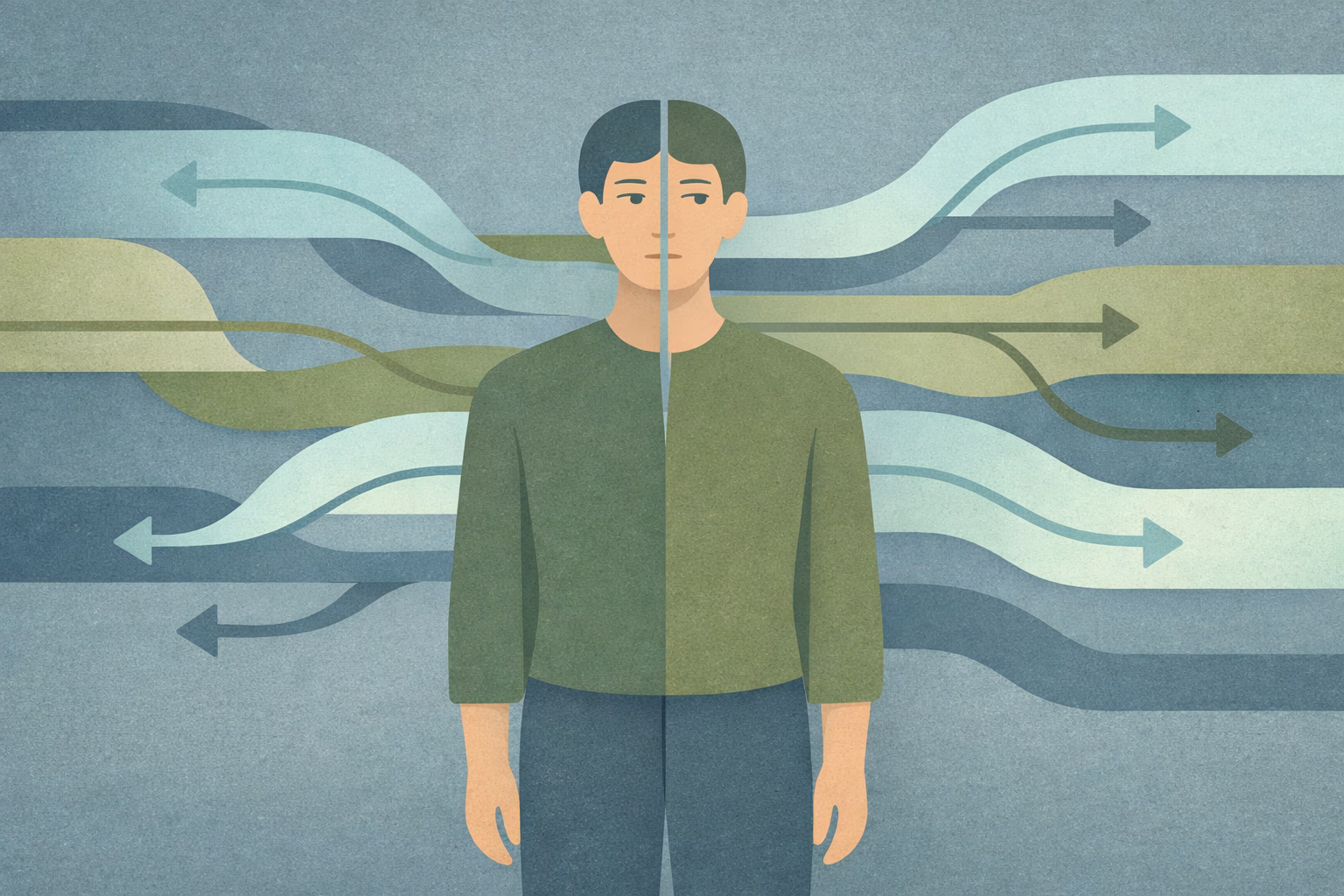
Distraction is not accidental—it’s profitable.
Read articleDoomscrolling isn’t “bad discipline”—it’s vigilance. These articles explain how news and feeds keep threat circuits switched on.
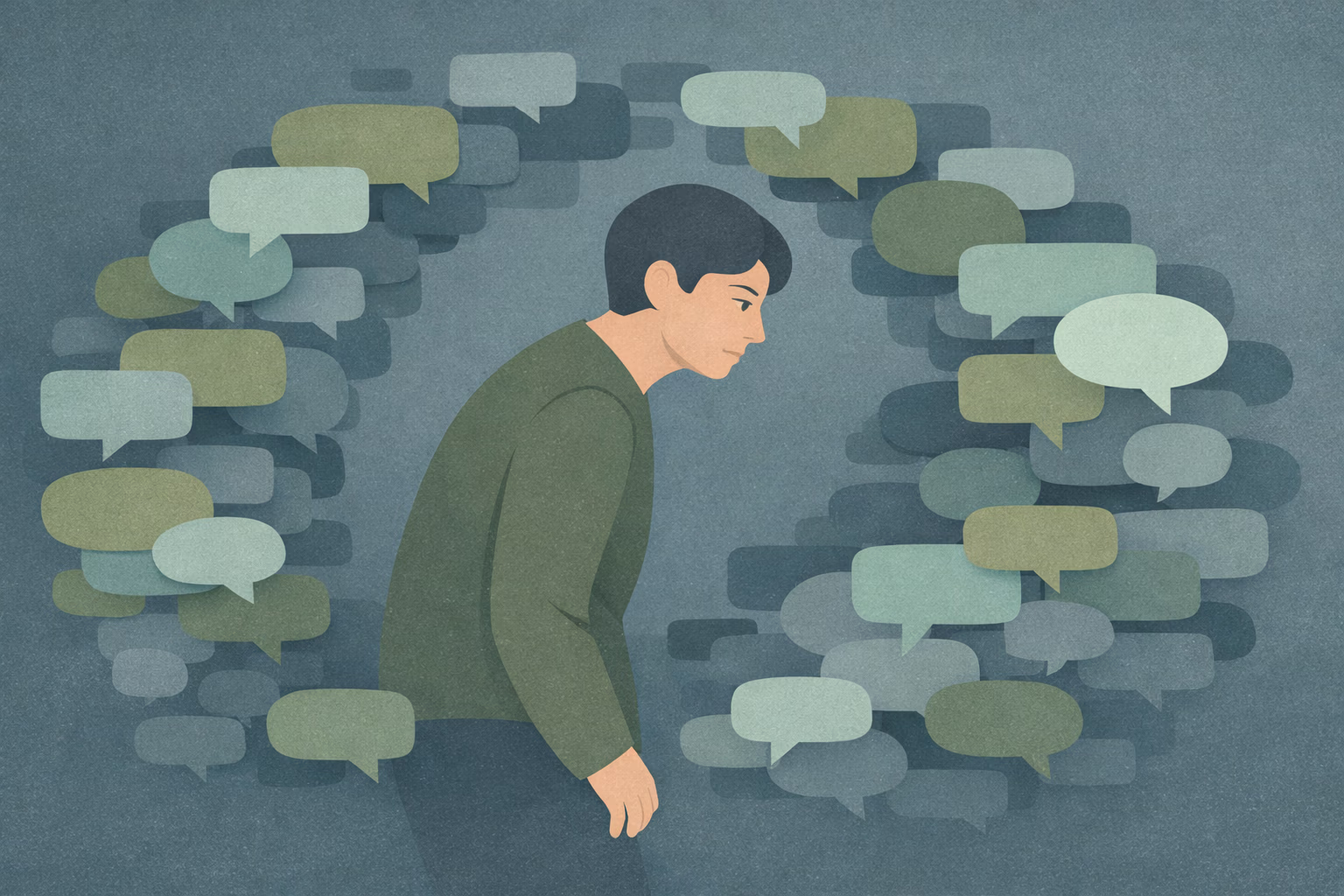
Scanning threats = ancient vigilance loop.
Read article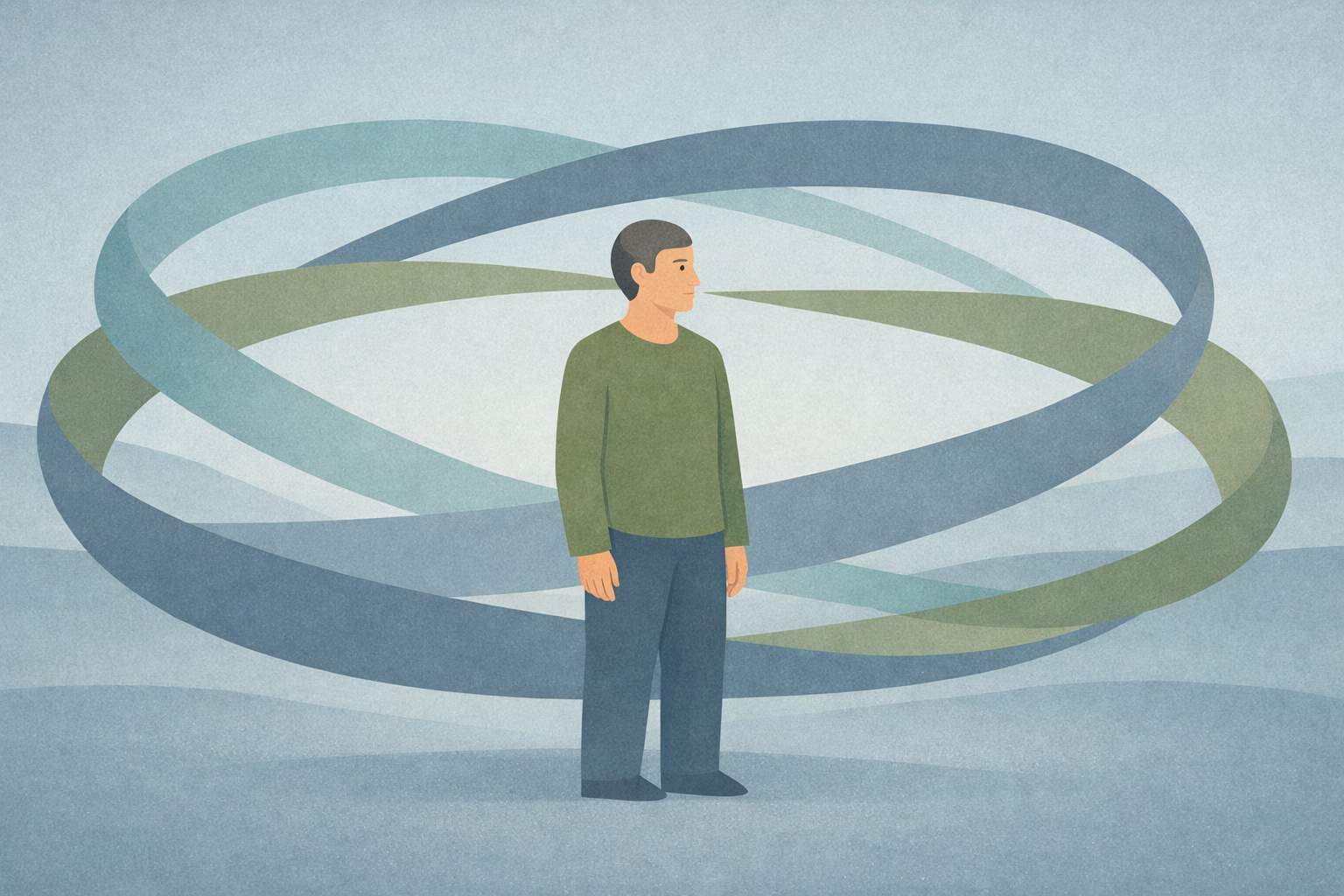
News triggers chronic threat activation.
Read articleInfinite options can weaken commitment and increase anxiety. These articles explore choice overload, swipe validation, and marketplace pressure.

Abundance reduces emotional commitment.
Read article
Swiping becomes a micro-dopamine strategy.
Read article
Too many options weaken commitment circuits.
Read articleOne Quiet Window, one insight, one reflection — every Sunday