

Procrastination as a Defense Mechanism: Not Laziness
Procrastination driven by avoidance of perceived emotional threat.
Read articleArticles exploring why the mind avoids discomfort, escapes through entertainment or stimulation, hides inside busyness, clings to comfort zones, and numbs through consumption—then repeats the loop.
Procrastination isn’t laziness. It’s often a defense against emotional threat—identity risk, discomfort, conflict, or fear of failure—masked as delay, planning, and “later.”
Procrastination driven by avoidance of perceived emotional threat.
Read article
Why people avoid what matters most emotionally.
Read article
People increasingly avoid small discomforts → long-term fragility.
Read article
Avoidance narrows perception and traps you in emotional loops.
Read article
Growth threatens identity stability.
Read article
Early cues help interrupt avoidance loops.
Read article
Self-sabotage as safety-seeking behavior.
Read article
Avoidance of introspection becomes chronic.
Read article
Avoidance rooted in threat circuitry + dopamine relief.
Read article
Avoidance protects you from truth and pain.
Read article
Thinking becomes avoidance disguised as planning.
Read article
Resistance arises from threat + identity mismatch.
Read article
Avoidance protects identity but kills connection.
Read articleProcrastination is an Avoidance Loop triggered by your Threat & Safety System. When a task is deeply meaningful, it carries the "threat" of failure or a shift in identity. Your brain interprets this emotional discomfort as danger and initiates an avoidance response for immediate relief. You aren't avoiding the work; you are avoiding the emotional "load" associated with it. Progress begins by restoring safety to the task so your system no longer perceives "doing" as "danger."
Self-Sabotage is a protective mechanism designed to maintain "Identity Stability." Your Narrative & Identity System has a baseline of what feels "safe." Success threatens to collapse your old self-image, triggering a Power Loop that pulls you back to the "known" state. To make progress sustainable, you must integrate growth gradually, signaling to your Power System that "who you are becoming" is just as safe as "who you used to be."
This is a sophisticated Avoidance Loop where planning serves as a "safe" substitute for action. By "strategizing," you get a micro-dopamine hit of feeling in control without the vulnerability of real-world implementation. This keeps your "Meaning Density" low because no loops are actually closing—you are just spinning them internally. Breaking this cycle requires moving from "Narrative Planning" to "Somatic Action," choosing imperfect movement over infinite preparation.
This is Self-Avoidance. When you stop moving, the "internal volume" of open loops and unprocessed emotions becomes audible. If your life is low in "Meaning Density," silence feels like a "Safety Void." You reach for distraction to drown out internal signals that feel overwhelming. We reframe this restlessness as a signal for "Integration." Leaning into silence in regulated doses teaches your nervous system that your inner world is safe to inhabit.
Fear of difficult conversations protects your Attachment & Belonging System. Your brain perceives potential conflict as a survival threat, initiating a "Freeze" or "Avoidance" reflex. This creates "Relational Thinness"—you stay safe but disconnected. Real connection requires the ability to hold both truth and safety together. Honesty is the only way to close the loop of resentment and restore high-density connection.
When reality feels heavy, the brain searches for anesthesia. These articles explore instant relief, fantasy, and entertainment that calms you short-term—then deepens avoidance.
Quick dopamine hits weaken long-term motivation.
Read article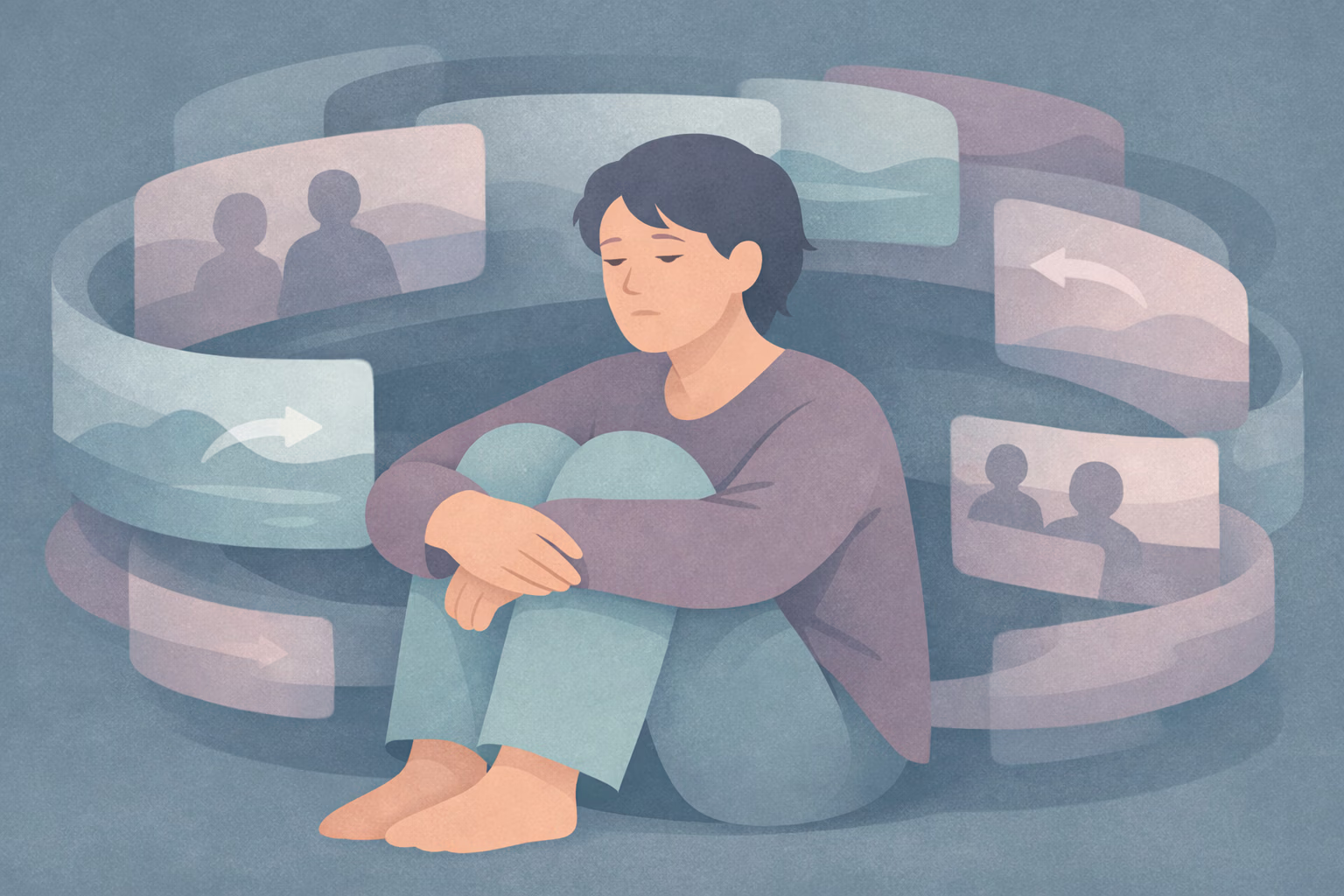
Why binge-watching provides emotional anesthesia but deepens avoidance cycles.
Read article
Fantasy as a psychological safety zone when reality feels threatening.
Read article
Entertainment replaces emotional regulation.
Read article
Fantasy increases during emotional overload to protect psyche.
Read articleInstant gratification is a biological "shortcut" in your Reward & Pursuit System. When life feels high-stress and low-meaning, your brain seeks "Quick Rewards" to prove pleasure is still possible. These are Pleasure Loops: they offer no "Done Signal" because they are unearned and disconnected from your values. Reclaiming drive isn't about "willpower"; it's about recalibrating your system so satisfaction comes from completion and direction rather than just stimulation.
Binge-watching is often Emotional Anesthesia. Structurally, it is an Avoidance Loop that uses narrative tension to drown out internal signals of stress or emptiness. Because this doesn't actually restore nervous system capacity, you wake up feeling "mentally foggy." We reframe the binge-urge as a signal of Unmet Regulation. True nourishment returns when entertainment is a choice for joy rather than a tool for numbing, allowing you to return to life with agency.
Fantasy is a protective "Safety Zone" within your Narrative & Identity System. When reality feels incoherent or overwhelming, your brain uses imagination to create a space where you have "Status & Control." This is a survival strategy indicating your current life feels "too thin" to inhabit safely. The goal is to move from "Fantasy as Escape" to "Imagination as Guidance," using those inner desires to inform real-world direction and make your actual life safe to inhabit.
"Heaviness" is the felt sense of High Emotional Load with Low Meaning Density. When life is full of open loops, your system feels "dense" but unintegrated. Escapism is your biology's way of "offloading" that weight into an engineered world. However, this is a "Leaky Loop"—the weight remains when the screen turns off. Recovery starts by closing small, manageable loops in your physical environment to reduce the "density" of your stress.
This cycle is a result of Reward Dysregulation. You numb to escape discomfort, but since the action provides no "Done Signal," the craving stays active until the crash of regret. Breaking this requires restoring "Structural Conditions" by building intentional "Endings" into your day. By protecting your Contiguous Attention and honoring your body's need for somatic recovery, you allow your Reward System to shift from consuming noise to experiencing quiet satisfaction.
Sometimes the escape isn’t pleasure—it’s productivity. These articles explore how hustle, hacks, overscheduling, and “self-improvement” can become emotional avoidance in disguise.
Busyness as avoidance of emotional discomfort.
Read article
Hacks satisfy dopamine but undermine true progress.
Read article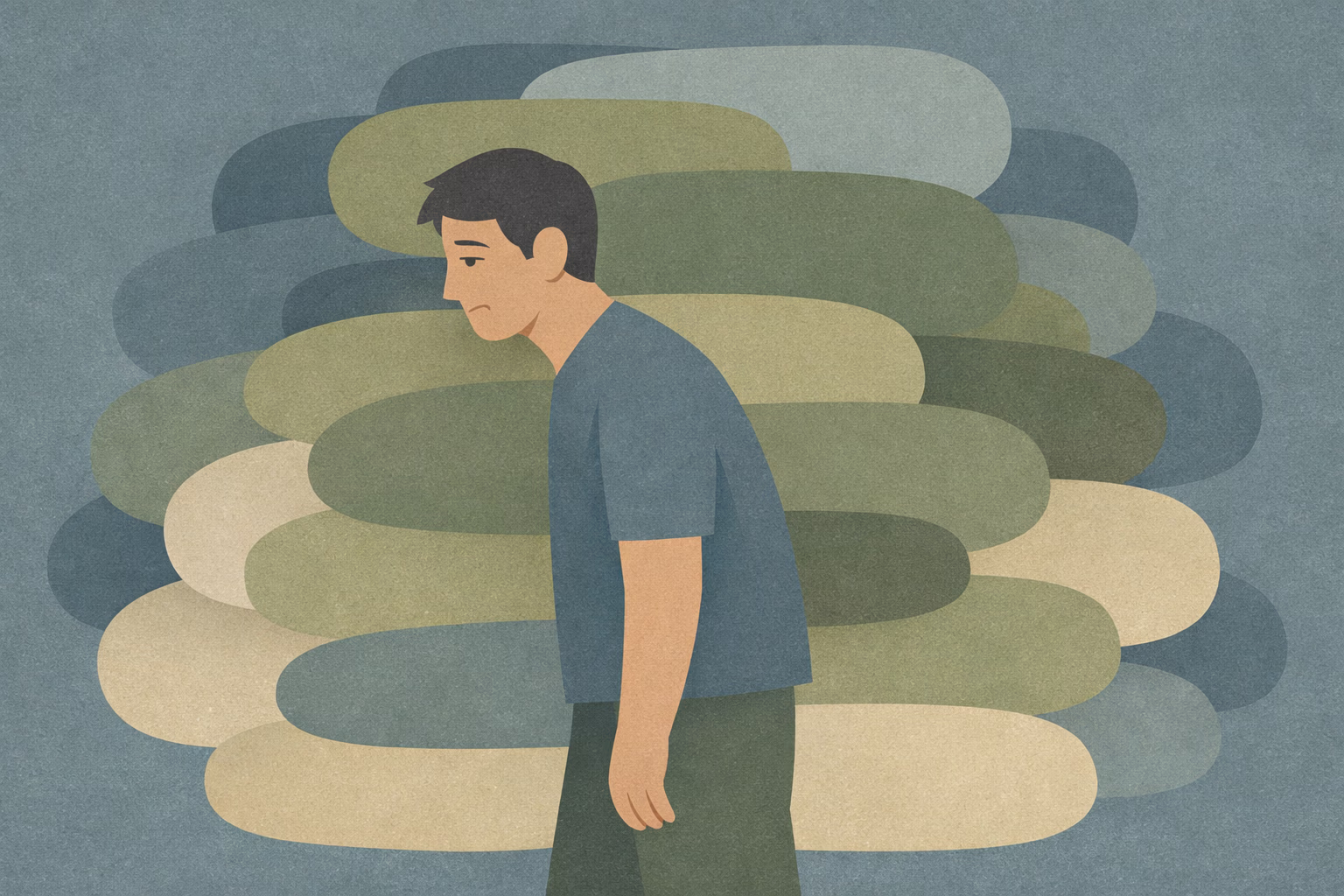
Burnout from constant optimization and self-pressure.
Read article
Why people overschedule to avoid stillness and emotion.
Read article
Overuse of optimization → emotional depletion.
Read articleThis is the "Fear of Stillness." In the Dojowell framework, compulsive busyness acts as an Avoidance Loop to suppress internal signals of the Threat & Safety System. The moment you stop, the "internal noise" of unresolved emotions becomes audible, and your brain interprets this silence as a threat. Meaning returns when you teach your nervous system that "stopping" is a safe state of completion, not a dangerous state of emptiness.
You are likely caught in a Pleasure Loop of "Life-Hacking." At Dojowell, we distinguish between Structural Change and "Dopamine Tweaking." Life hacks provide a quick hit of feeling "efficient" but rarely close a meaningful behavioral loop, resulting in "Thin Progress." Real progress requires Narrative Identity—aligning actions with who you are rather than endlessly refining the mechanics of the workflow.
Self-improvement becomes a Power Loop when driven by the threat of inadequacy. When growth is framed as a demand to "fix a broken self," your Status & Control System stays in hyper-vigilance. Because there is no "Done Signal," you eventually reach Self-Improvement Overload. True growth is an expression of meaning that restores your system; it adds density to your life instead of draining it.
Overbooking is a strategy to avoid the "Safety Void." By filling every minute with logistics, you "crowd out" the self, leaving no room for your Narrative System to ask deeper questions about purpose. This creates a life high in activity but zero in "settlement." Recovery begins by protecting "White Space" as a biological necessity for your nervous system to integrate experiences and find its center.
This shift requires moving from Avoidance Loops to Meaning Loops. Hustle culture thrives on "Infinite Pursuit," but meaning requires Completion. You must reclaim the "Done Signal" by setting structural boundaries where work ends and your life "lands." By honoring your system's need for rhythm and rest, you allow meaning to emerge as a natural byproduct of a life that can finally finish its tasks.
Familiarity can feel like safety. These articles explore how routine becomes protection—and how “stable” can quietly block growth, risk, and meaning.
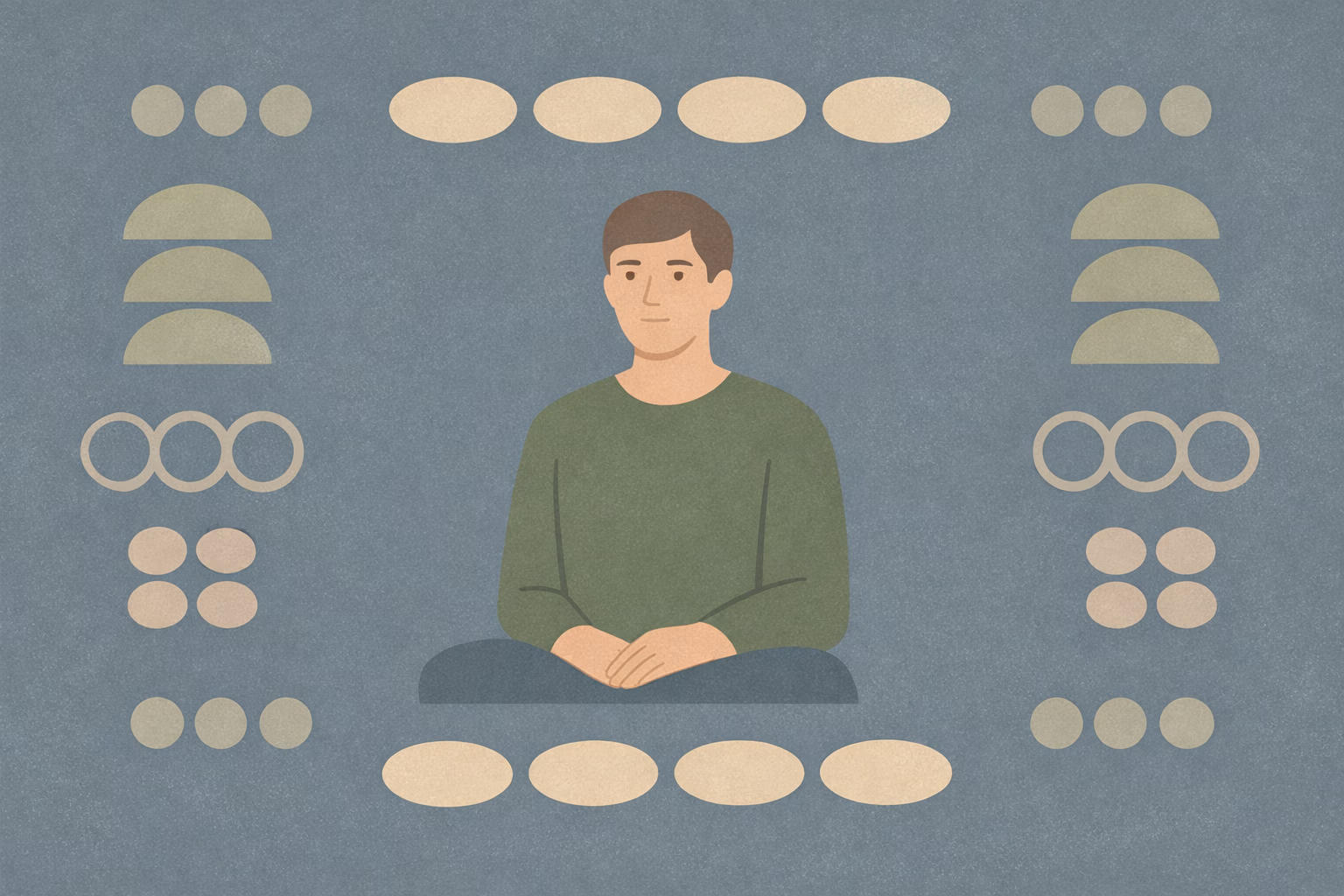
Routine becomes safety, blocking growth and risk-taking.
Read articleBuying can become anesthesia, upgrades can become identity, and “success signals” can become survival. These articles explore consumption as avoidance, status, and dopamine.

Buying becomes avoidance of discomfort.
Read article
Objects = modern survival signals.
Read article
Novelty seeking hijacks reward systems.
Read article
Users shop to avoid discomfort; buying acts as emotional numbing.
Read article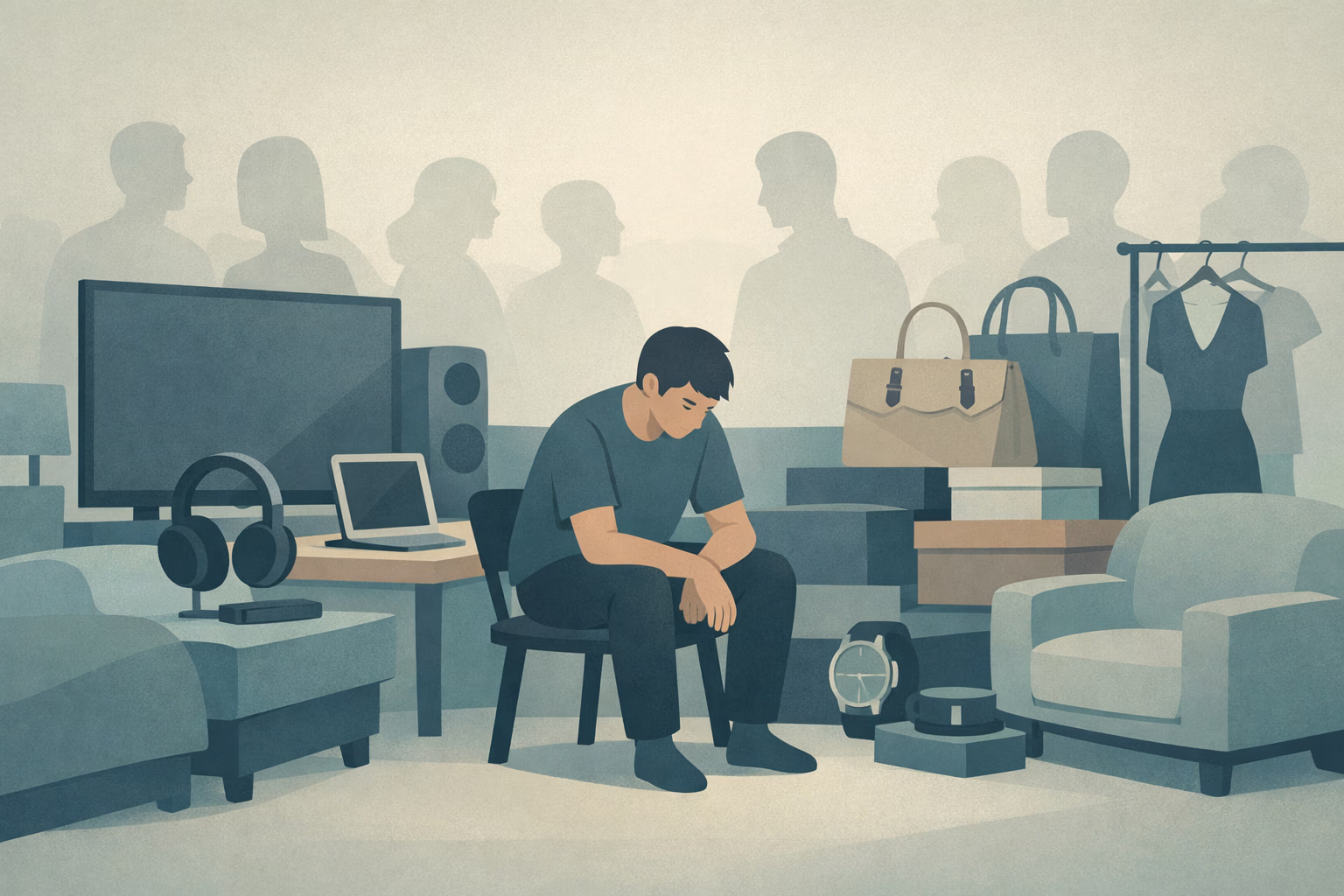
Habitual upgrading leads to chronic dissatisfaction.
Read article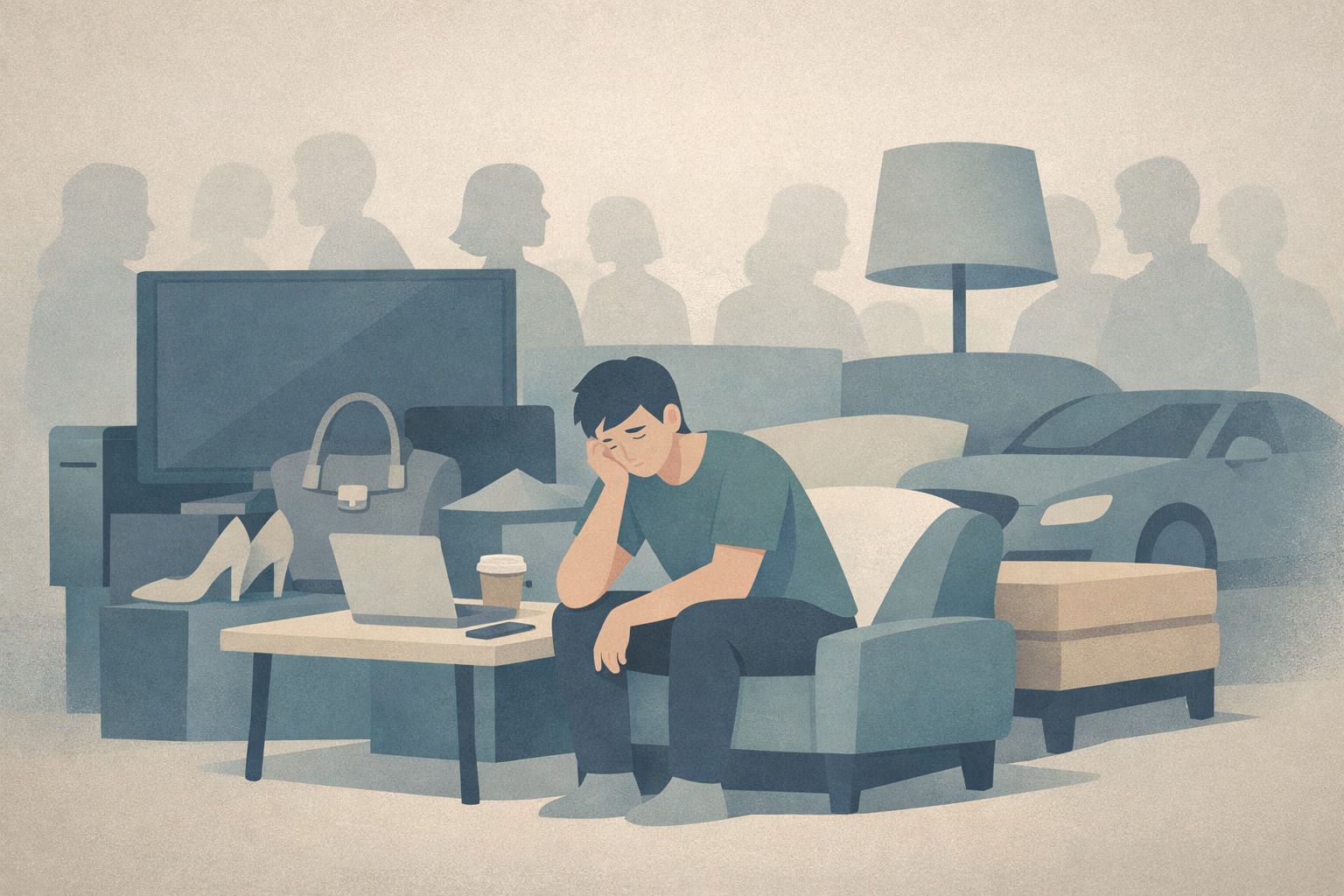
Comparison fuels insecurity + emotional avoidance.
Read article
Modern economy exploits dopamine reward cycles.
Read article
Spending becomes emotional regulation.
Read article
People purge but re-buy because identity is unresolved.
Read article
Using brands to fill identity gaps.
Read article
Scarcity triggers dopamine-driven impulse buying.
Read article
Influencer displays trigger aspirational insecurity.
Read article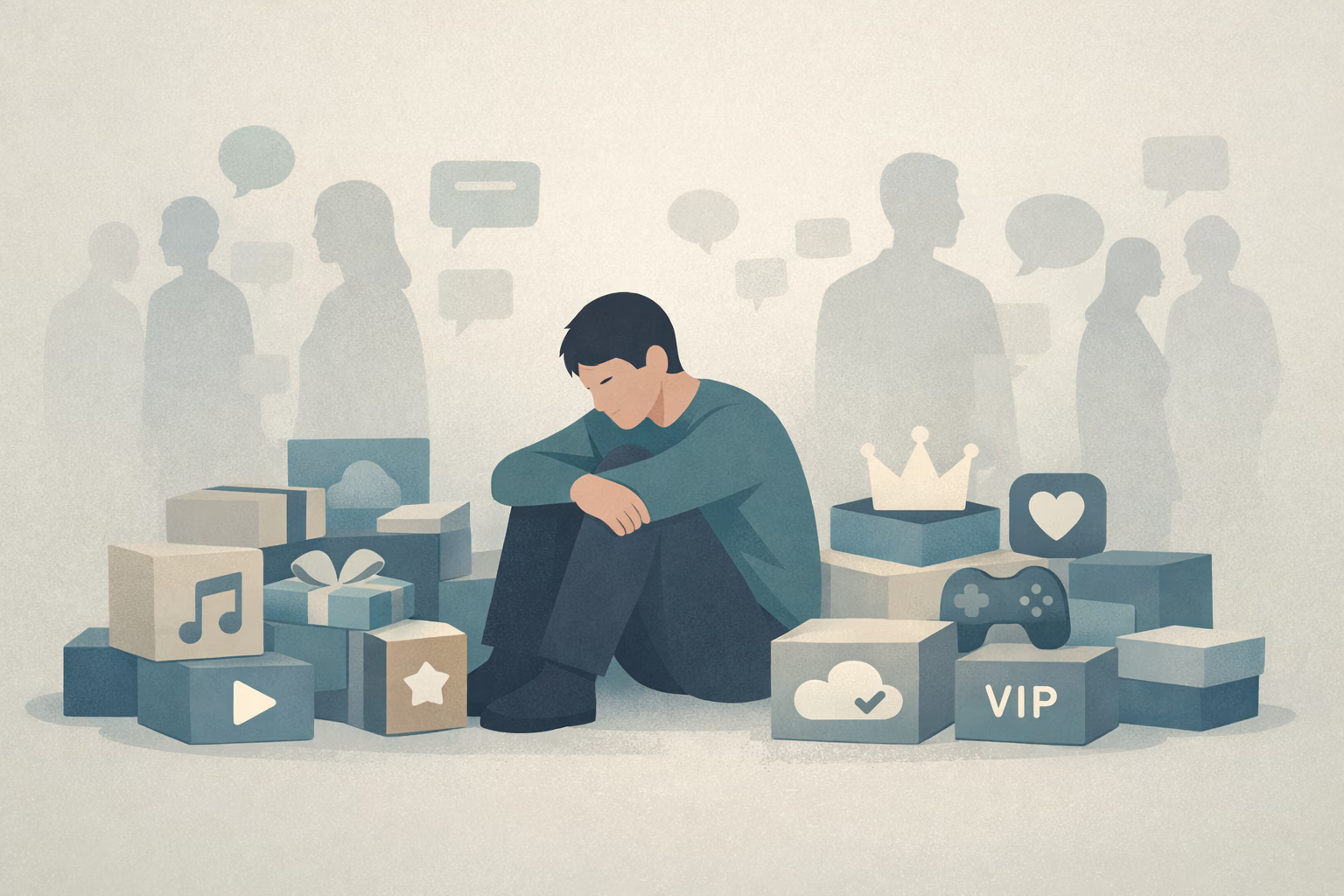
Subscriptions signal identity, not utility.
Read article
Aesthetics become emotional performance.
Read article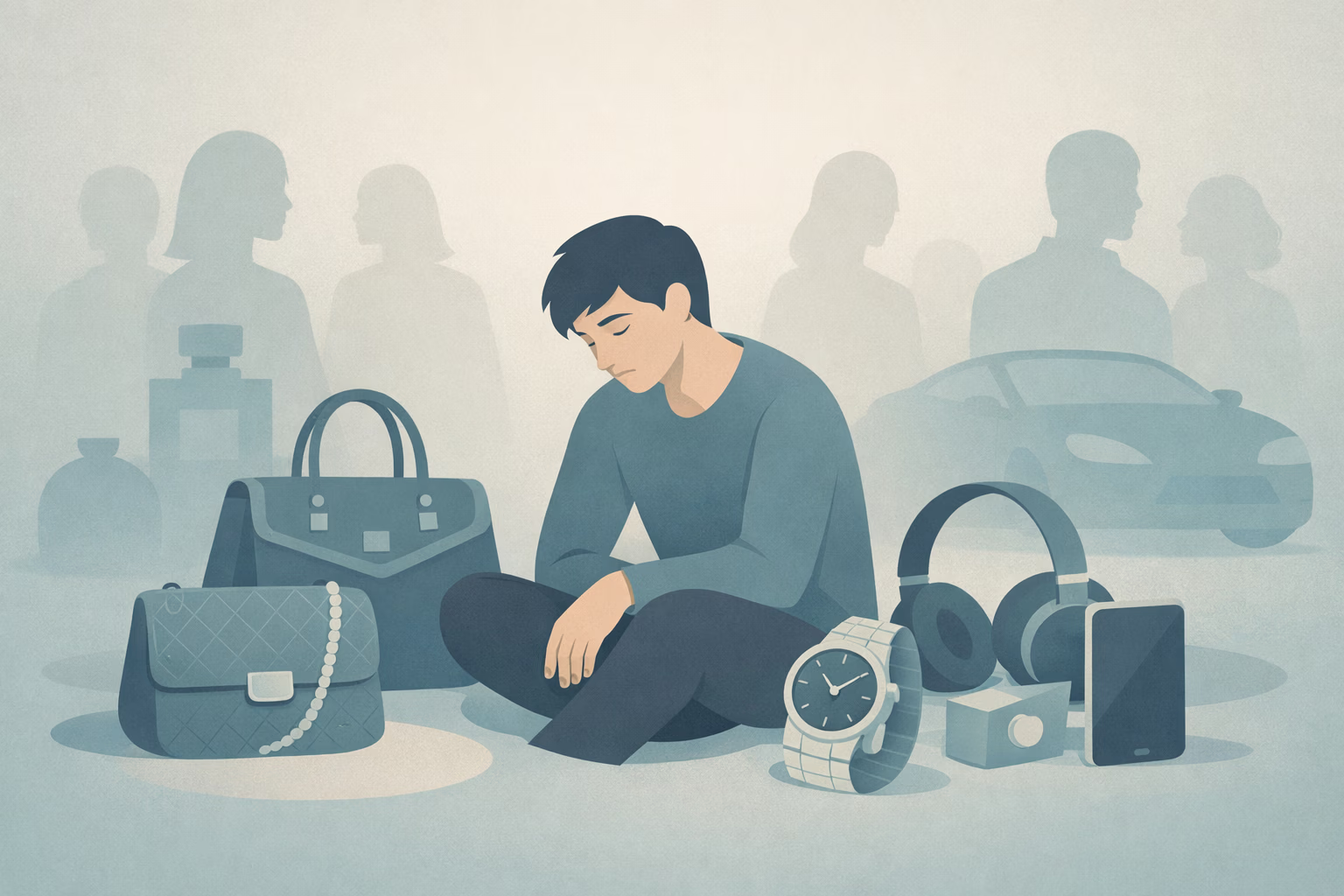
Luxury = modern dominance display.
Read article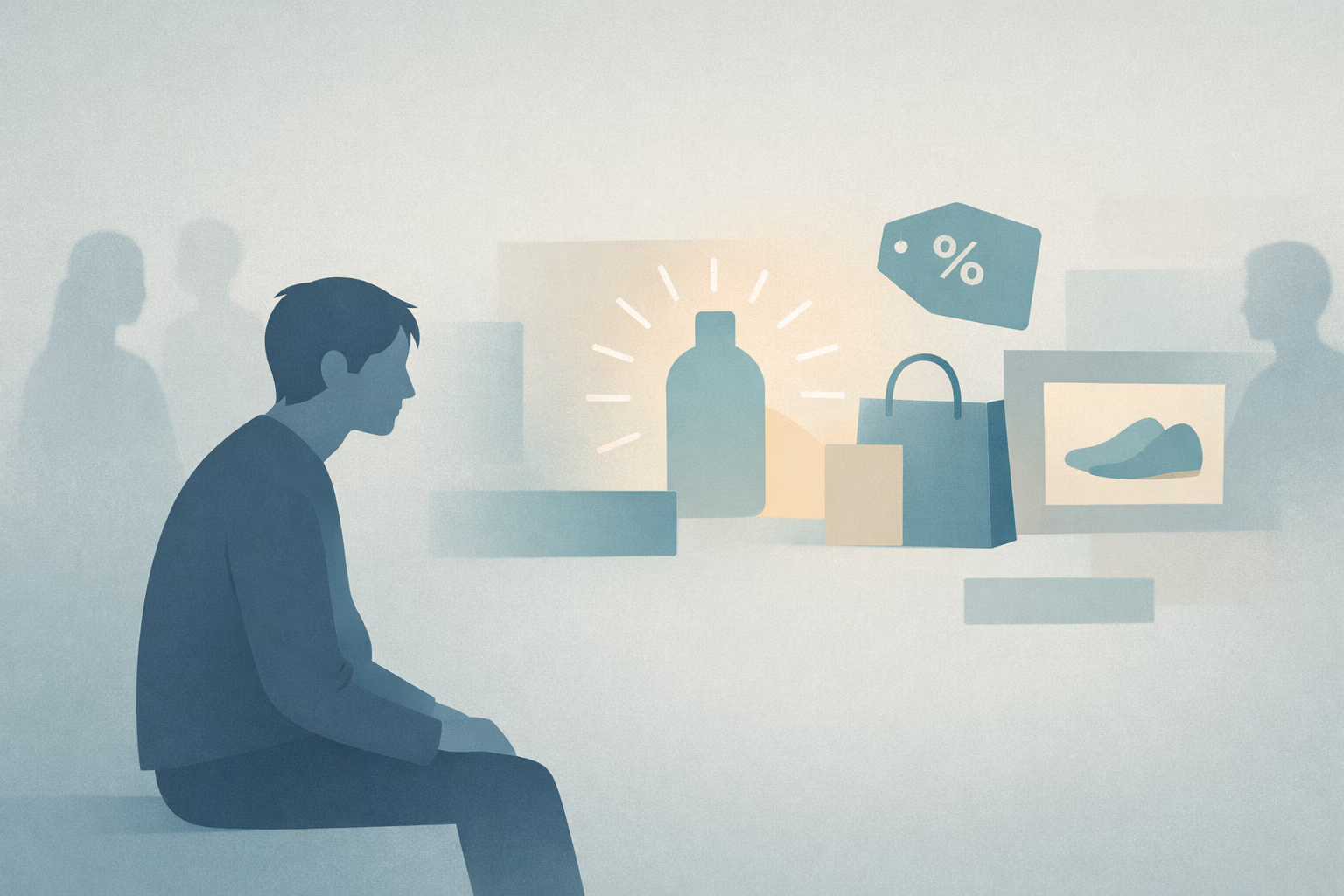
Ads manipulate survival instincts to trigger consumption.
Read articleThis is Shopping as Emotional Anesthesia. The act of purchasing triggers your Reward & Pursuit System, providing a temporary dopamine "bridge" across stress. It acts as an Avoidance Loop; you aren't buying an object, but a brief vacation from discomfort. Because the transaction doesn't solve the underlying "Meaning" deficit, the loop never reaches a "Done Signal," leading to a rebuy cycle. Real relief comes from meeting the emotional need directly, rather than outsourcing regulation to a transaction.
You are experiencing Brand-Based Identity. When the Narrative & Identity System feels "thin," your brain uses high-status brands within the Status & Control System to signal identity to the "tribe." This Power Loop prioritizes symbols of belonging over the density of a lived character. True fulfillment returns when you shift from "Displaying Worth" to "Expressing Values"—focusing on what you contribute rather than what you own.
This is the "Newer-Better-Next" Loop. Consumerism exploits your evolutionary drive for novelty, providing spikes in the Pleasure System but zero "Settlement." Because a "next" version always exists, the behavioral loop remains perpetually open, keeping you in a state of "Wanting" that thins your ability to experience "Having." Satisfaction is a structural state of completion that grows when you shift from Accumulation to Stewardship.
Lifestyle inflation is a Power Loop that creates a "high-maintenance" nervous system. As you upgrade surroundings to signal status, you increase the "Threat" of losing those things. Your Threat & Safety System enters hyper-vigilance to maintain your "Relative Ranking," resulting in a life high in object quality but low in peace. True success is felt when your life reflects internal meaning rather than a high-stress performance to prove your value.
This is the Declutter–Rebuy Cycle, an Avoidance Loop used to regain internal control. While the "Purge" provides a brief "Done Signal," the internal cause—using consumption for emotional regulation—remains. Without updating your Narrative Identity, your system naturally reverts to "filling the void." Lasting simplicity isn't about the objects in your room; it’s about the coherence of your inner world and aligning consumption with actual needs.
Supernormal stimulation overwhelms reward learning. These articles explore dopamine spikes, crashes, shame loops, and why “easy pleasure” can make real life feel dull.

Digital sexual intensity overwhelms reward circuits.
Read article
Porn spikes dopamine → withdrawal → craving.
Read article
Accessibility rewires intimacy expectations.
Read article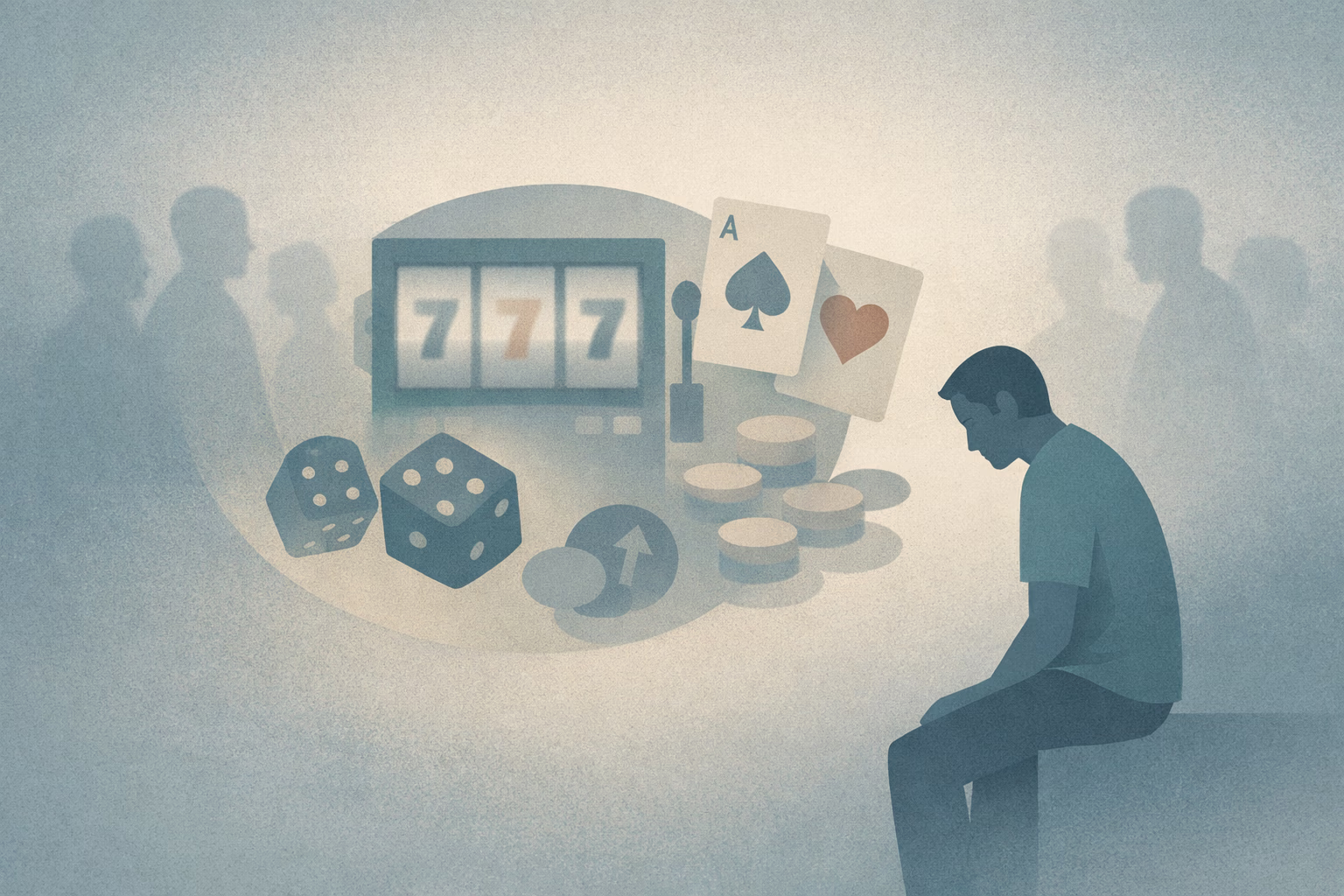
Variable rewards hijack survival circuits.
Read article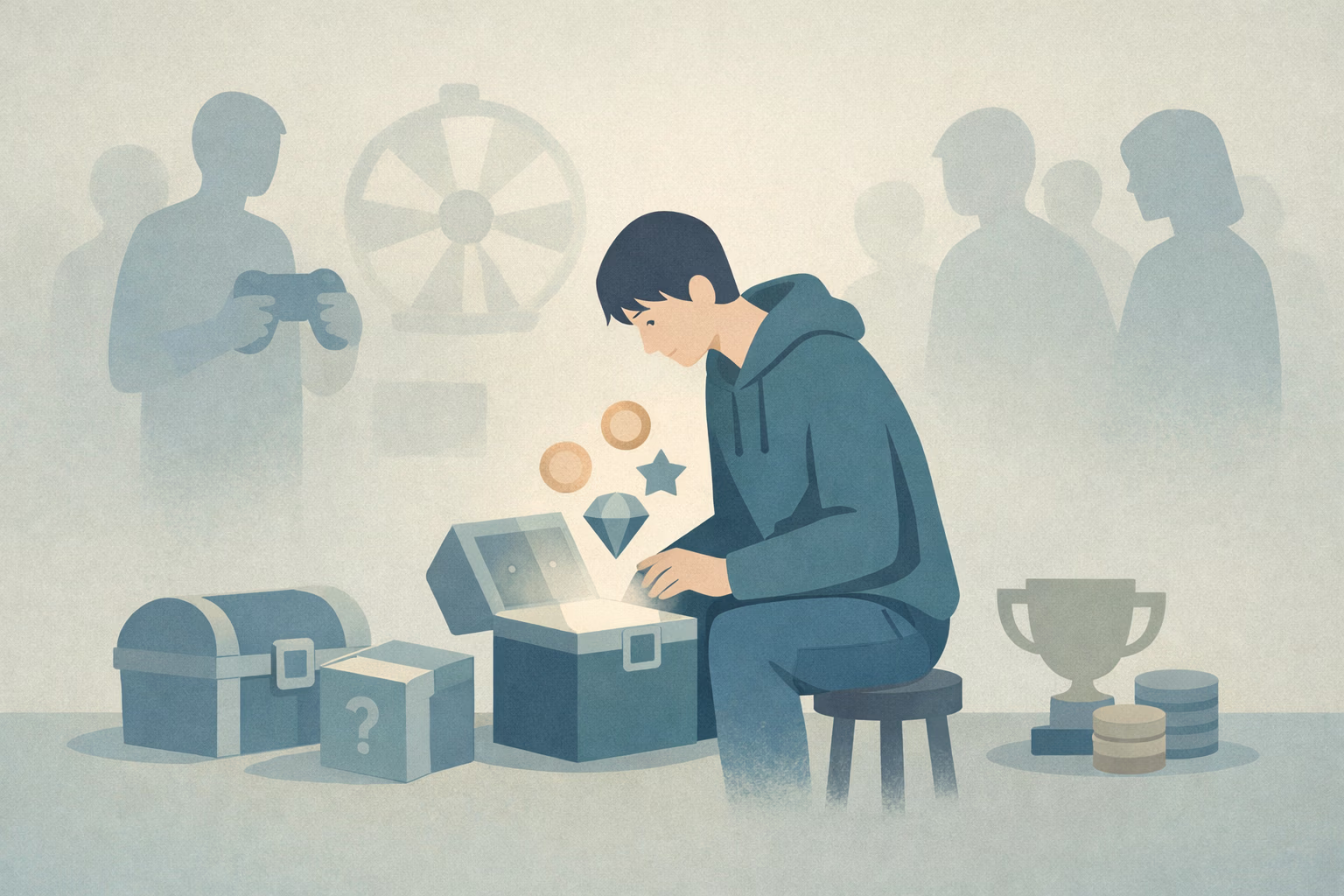
Loot boxes use casino mechanics.
Read article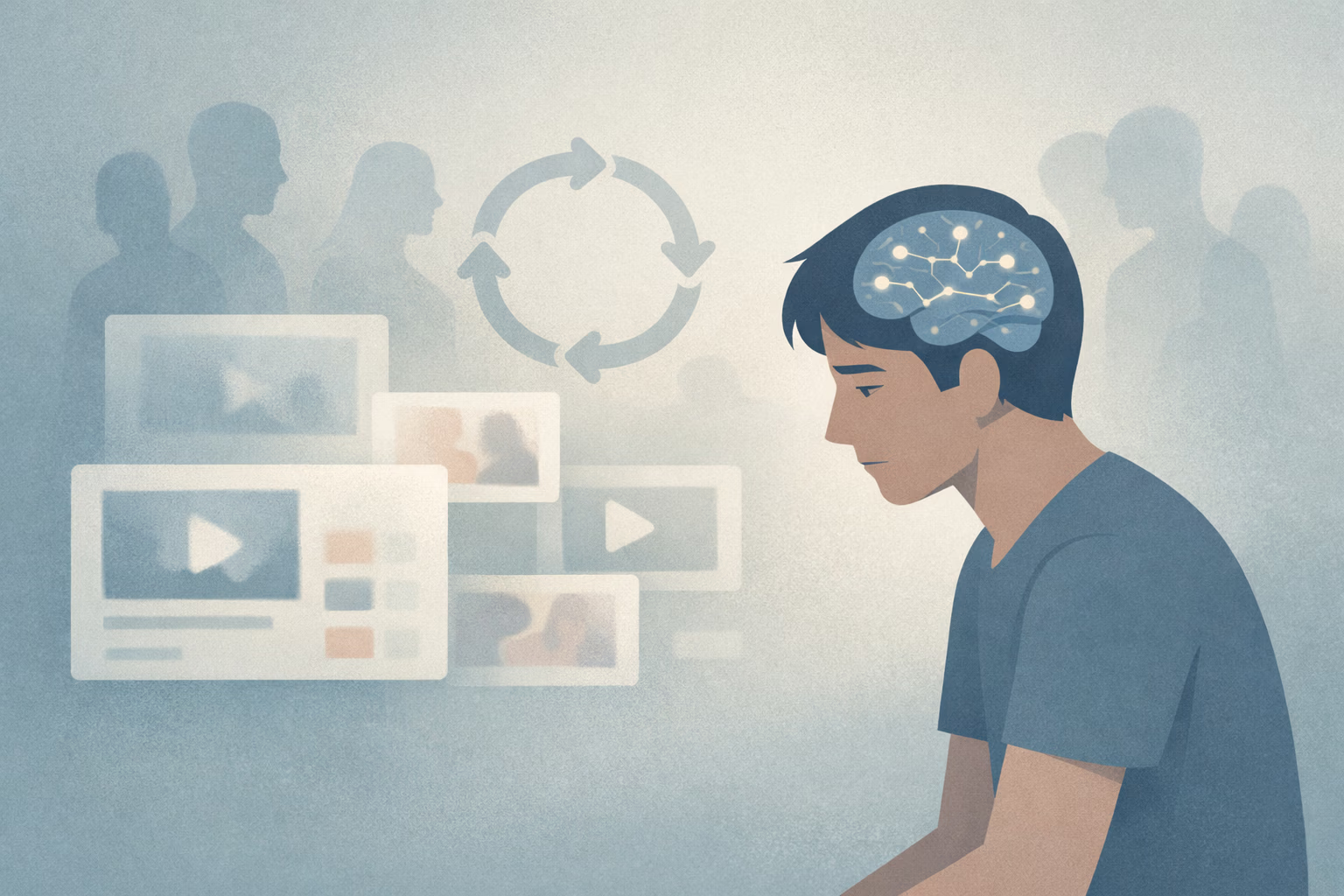
Porn hyperstimulates dopamine, reshaping reward pathways.
Read article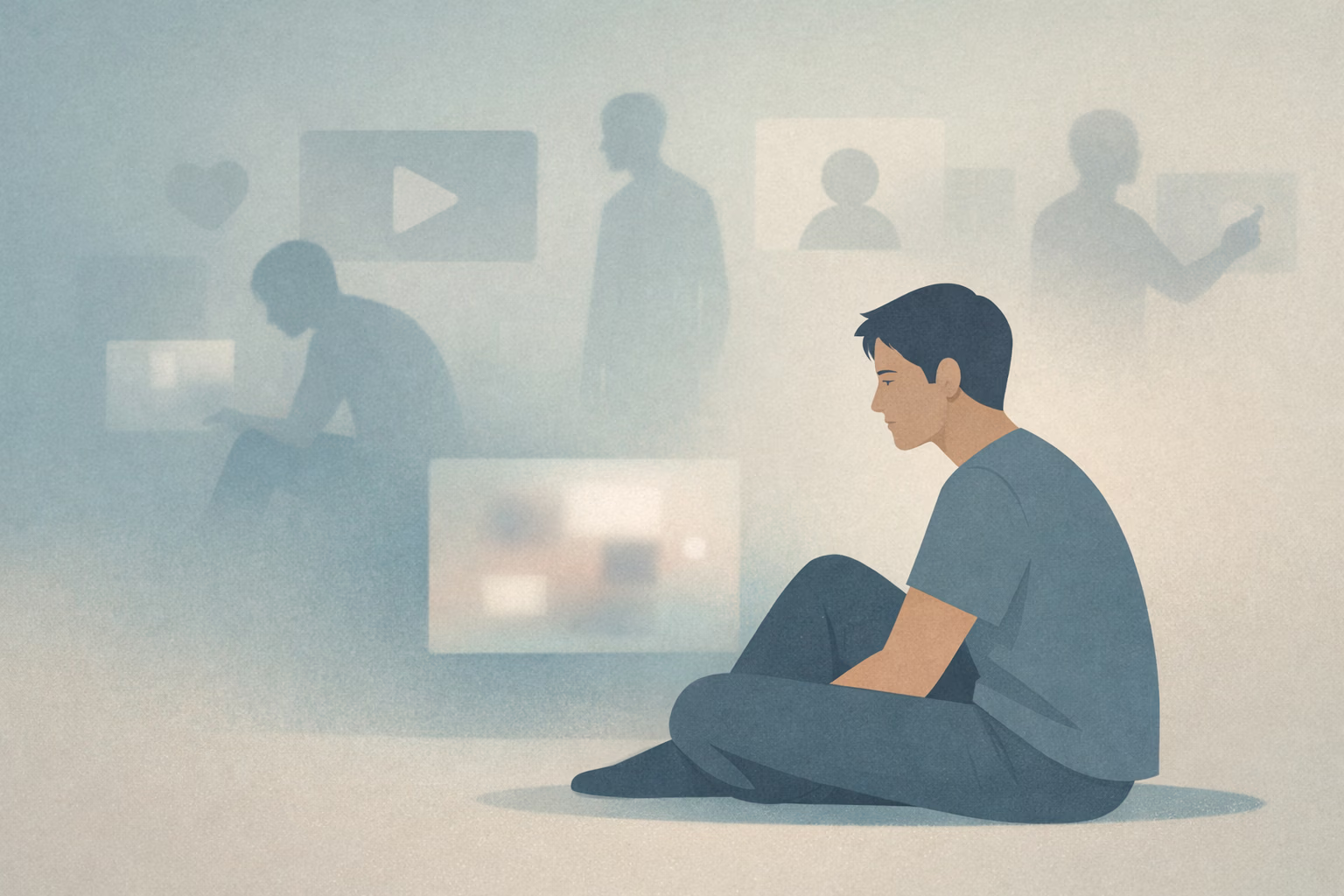
Explains the emotional avoidance driving porn cycles.
Read article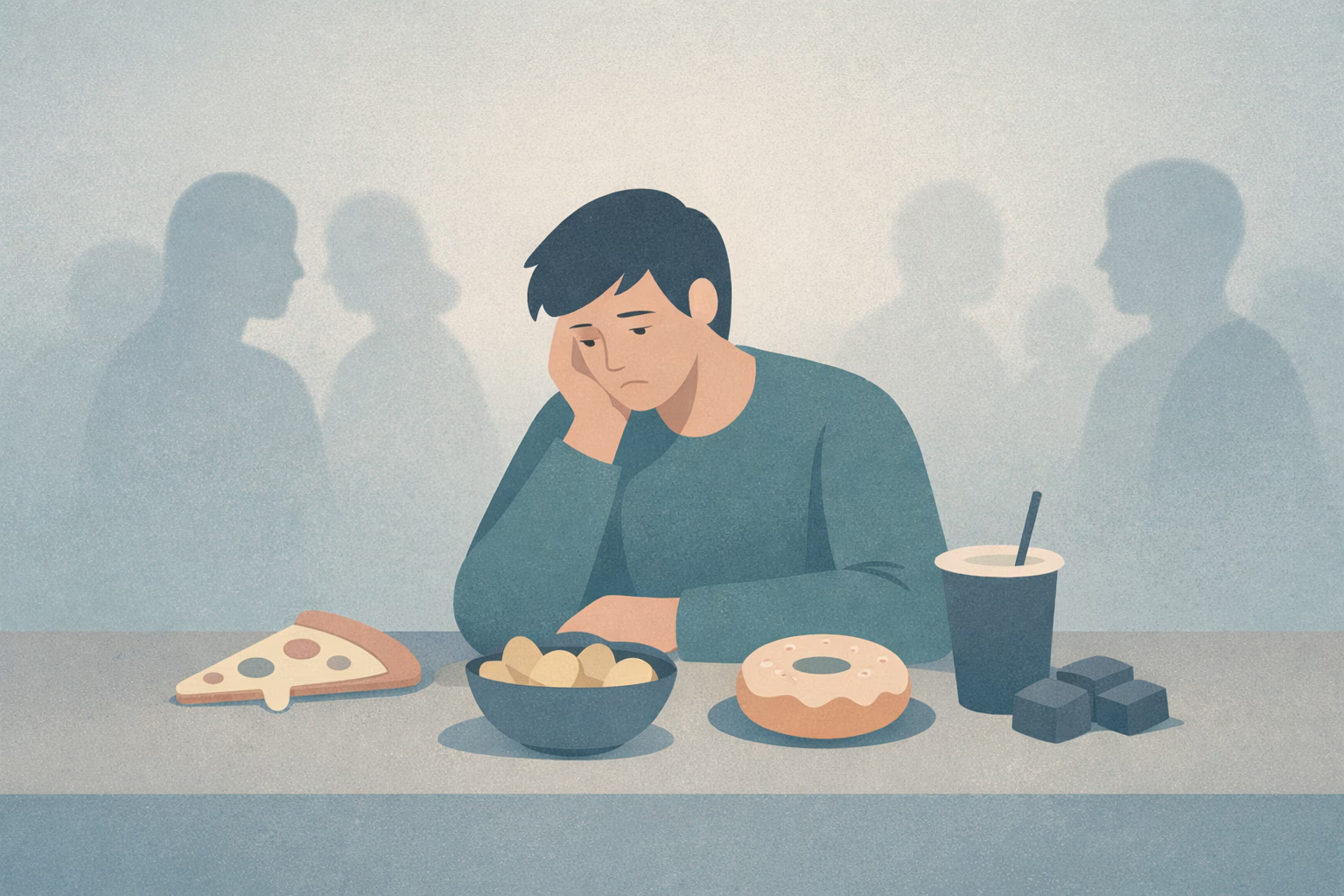
Eating becomes emotional coping instead of hunger.
Read article
Reward override prevents satiety signals.
Read article
Sugar hits soothe stress but worsen dysregulation.
Read article
Modern foods trigger supernormal stimuli.
Read article
Emotional vulnerability at night increases cravings.
Read article
Fantasy replaces real emotional intimacy.
Read article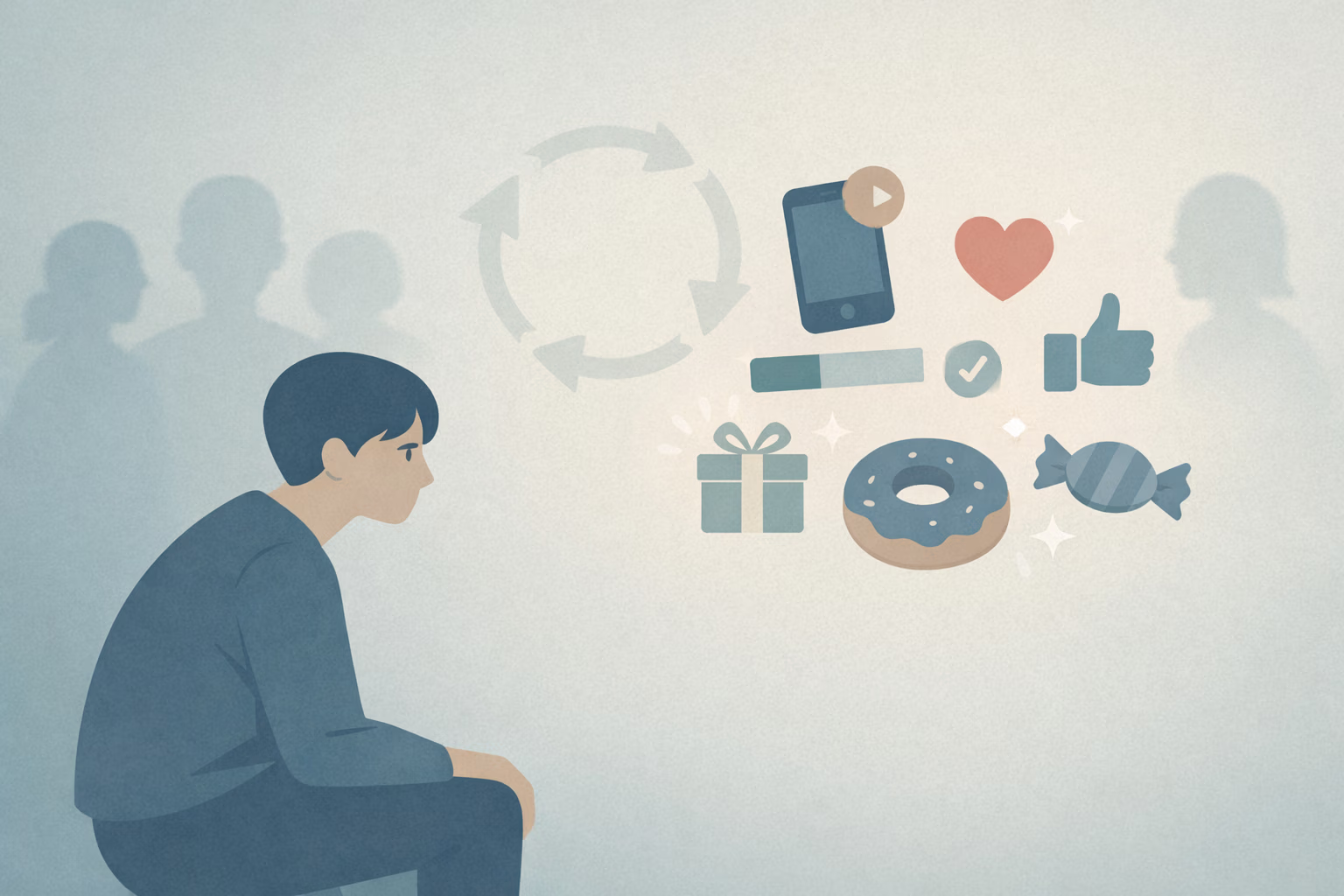
Overstimulated brains resist delay.
Read article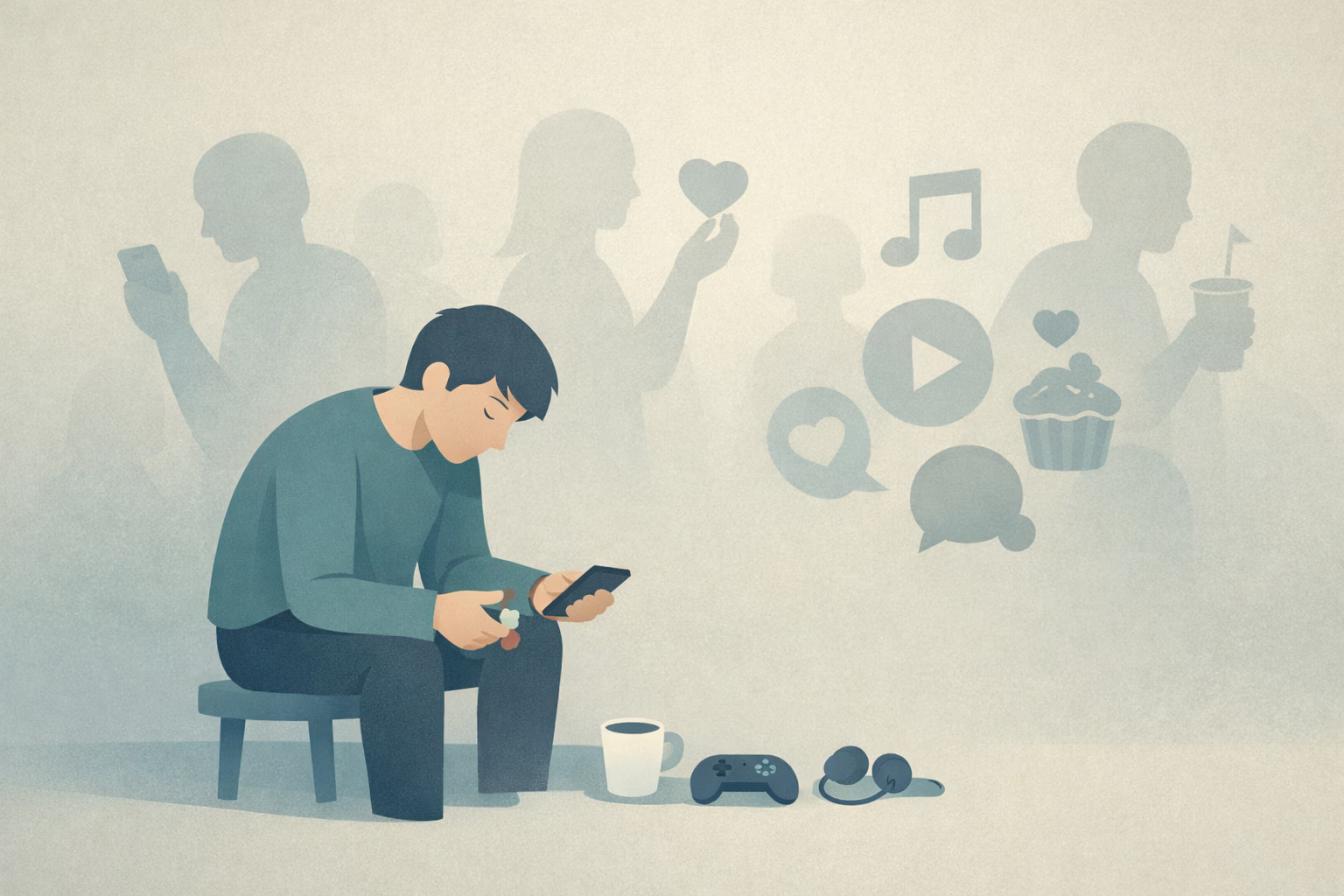
Snacks, micro-checks, small dopamine hits drain discipline.
Read article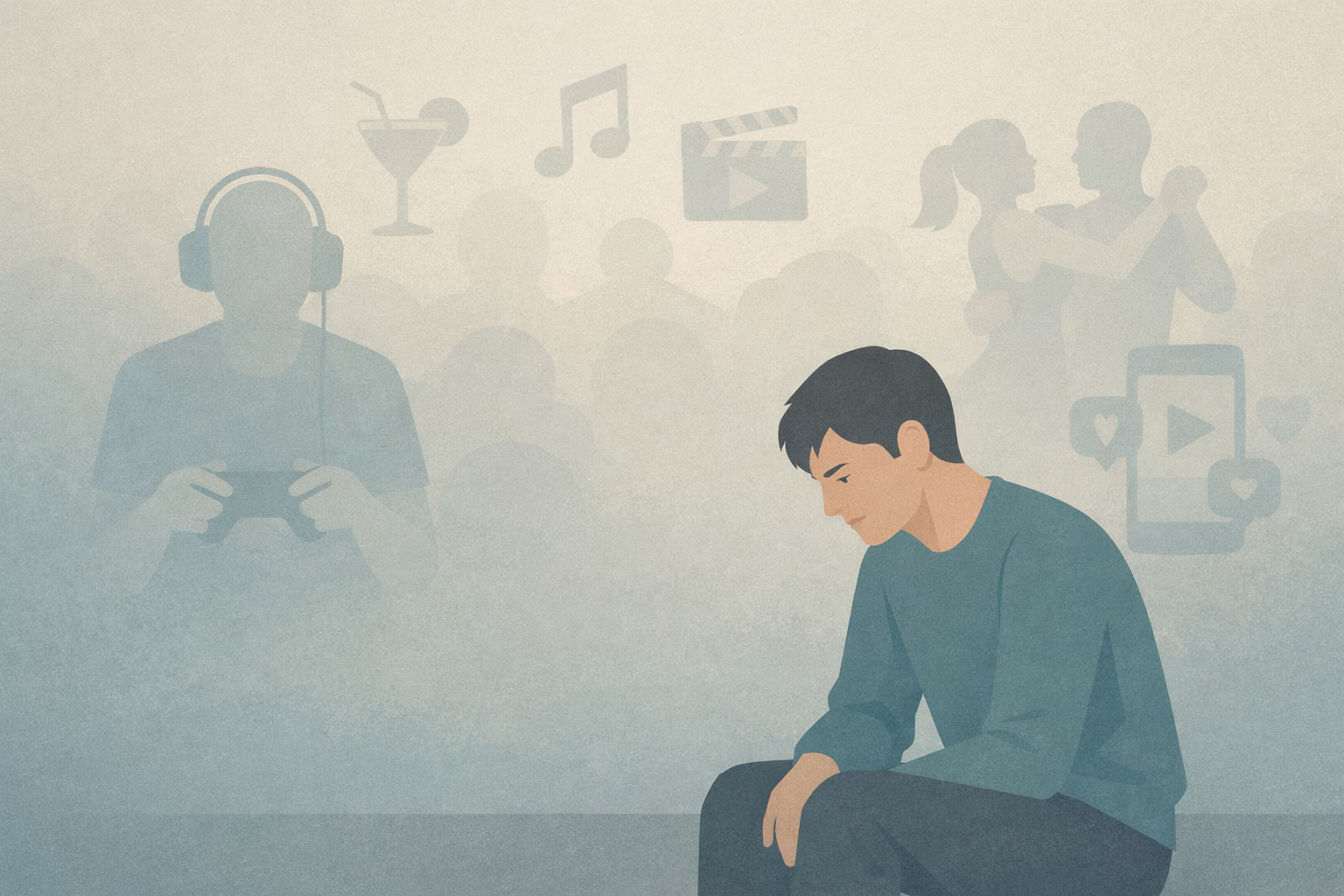
Overstimulation reduces baseline pleasure.
Read article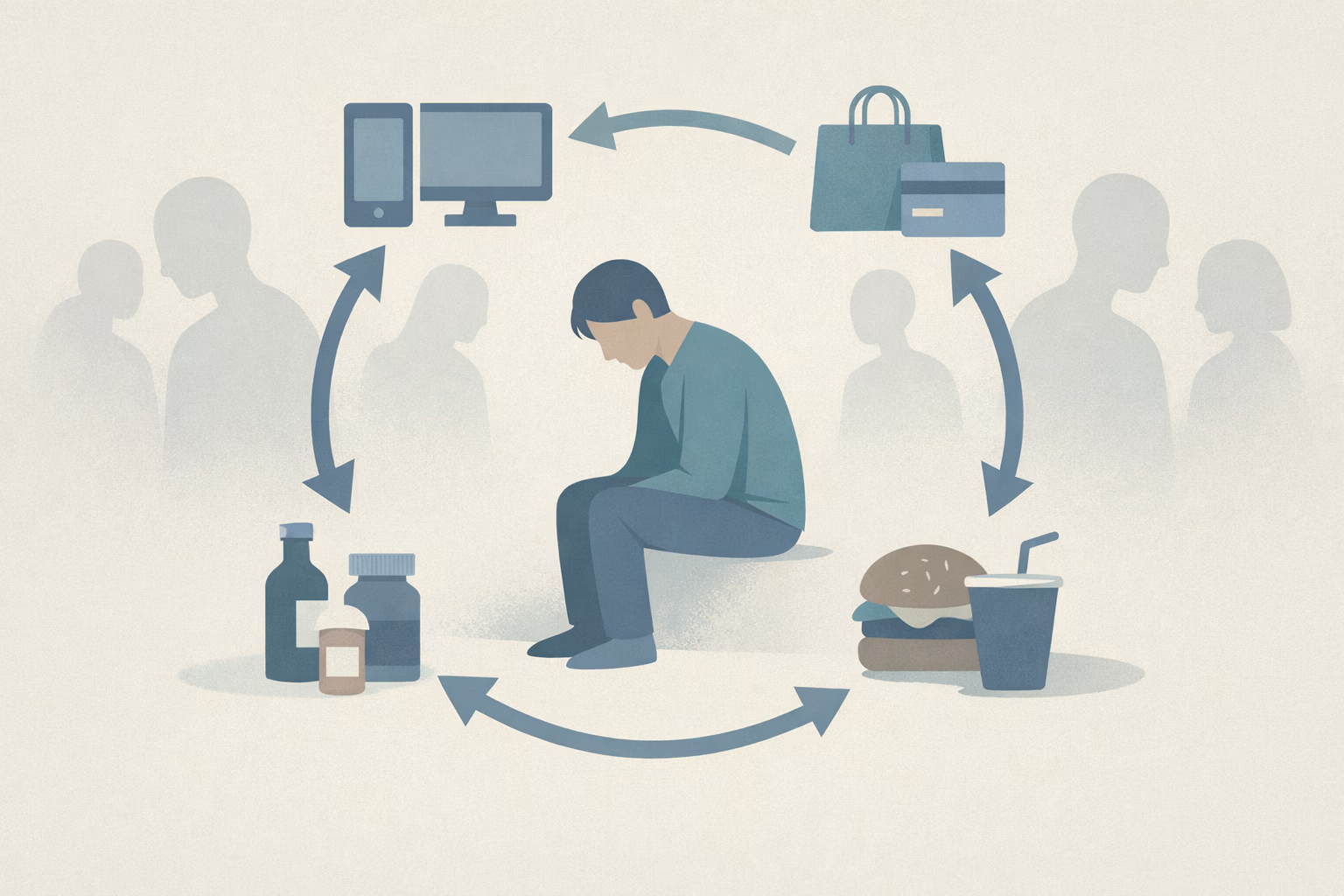
Shame increases avoidance → increases addictive behaviors.
Read articleThis is Pleasure Desensitization. Your Reward & Pursuit System has a baseline evolved for natural rewards. When you flood it with "supernormal stimuli," your brain downregulates dopamine receptors to protect itself, creating a "Pleasure Plateau." Vividness returns not by finding "better" stimulation, but by allowing your system to recalibrate through Dopamine Minimalism, restoring your sensitivity to the quiet joy of presence.
You are caught in a Pleasure Loop designed to bypass your "Done Signal." Modern engineering exploits Variable Rewards to override satiety cues. Because these rewards are instant, they offer no integration phase; your Reward System keeps firing, seeking a completion that never arrives. Reclaiming control requires moving from consumption to Meaningful Participation, where you intentionally set "Structural Endings" before the loop begins.
It is an Avoidance Loop. When your Threat & Safety System feels overwhelmed, your brain looks for a "shortcut" to regulation. High-intensity pleasure acts as a temporary "Safety Signal." You aren't lacking willpower; you are using an available tool to manage an unbearable emotional load. Recovery begins by treating these urges as data: signals of Unmet Emotional Needs that must be addressed directly.
These systems exploit Uncertainty Circuitry. Evolutionarily, "maybe" was a powerful motivator for survival. Gambling mechanics keep the loop open by providing "near misses" that keep your Reward System in permanent anticipation. This is a "Leaky Loop" that drains resources without providing the settlement of real achievement. Shifting to Skill-Based Mastery allows you to close loops through effort and competence.
This is the Shame-Avoidance Spiral. Shame is a high-intensity "Threat Signal" that tells you that you are "broken," increasing your emotional load. To escape the pain of the shame, your brain reflexively reaches for the only numbing tool it knows—the original behavior. Breaking the cycle requires Self-Compassion as Regulation. Meeting relapse with understanding lowers the threat level, allowing for a meaning-driven choice.
Modern intimacy can trigger threat and avoidance: silence as safety, optimization as control, and anxious loops around uncertainty, replies, and emotional dependence.
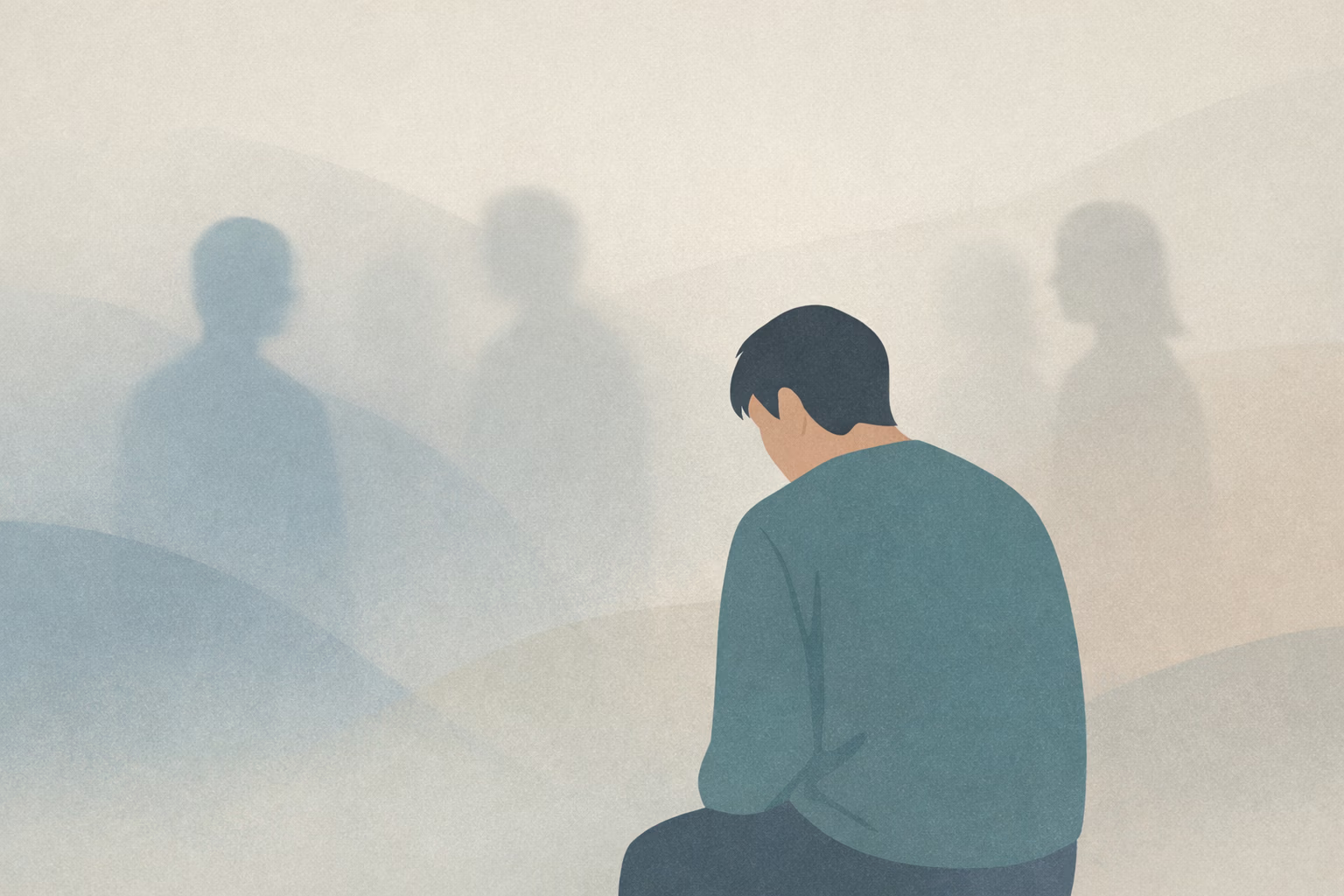
Ghosting mimics the freeze survival response.
Read article
Optimization mindset kills intimacy.
Read article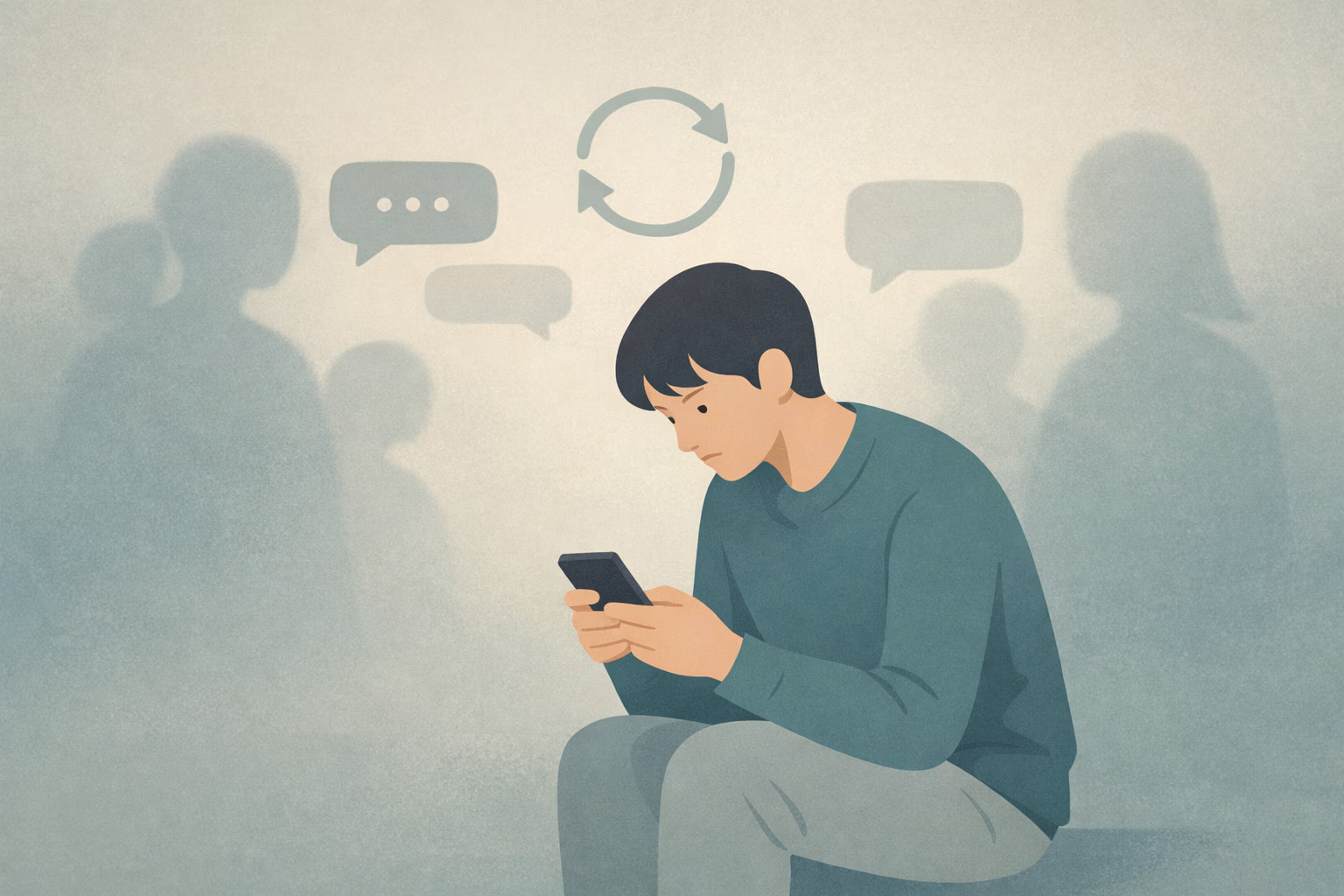
Waiting for replies triggers attachment alarms.
Read article
Avoidants use silence as safety.
Read article
Outsourcing = fragile emotional dependence.
Read article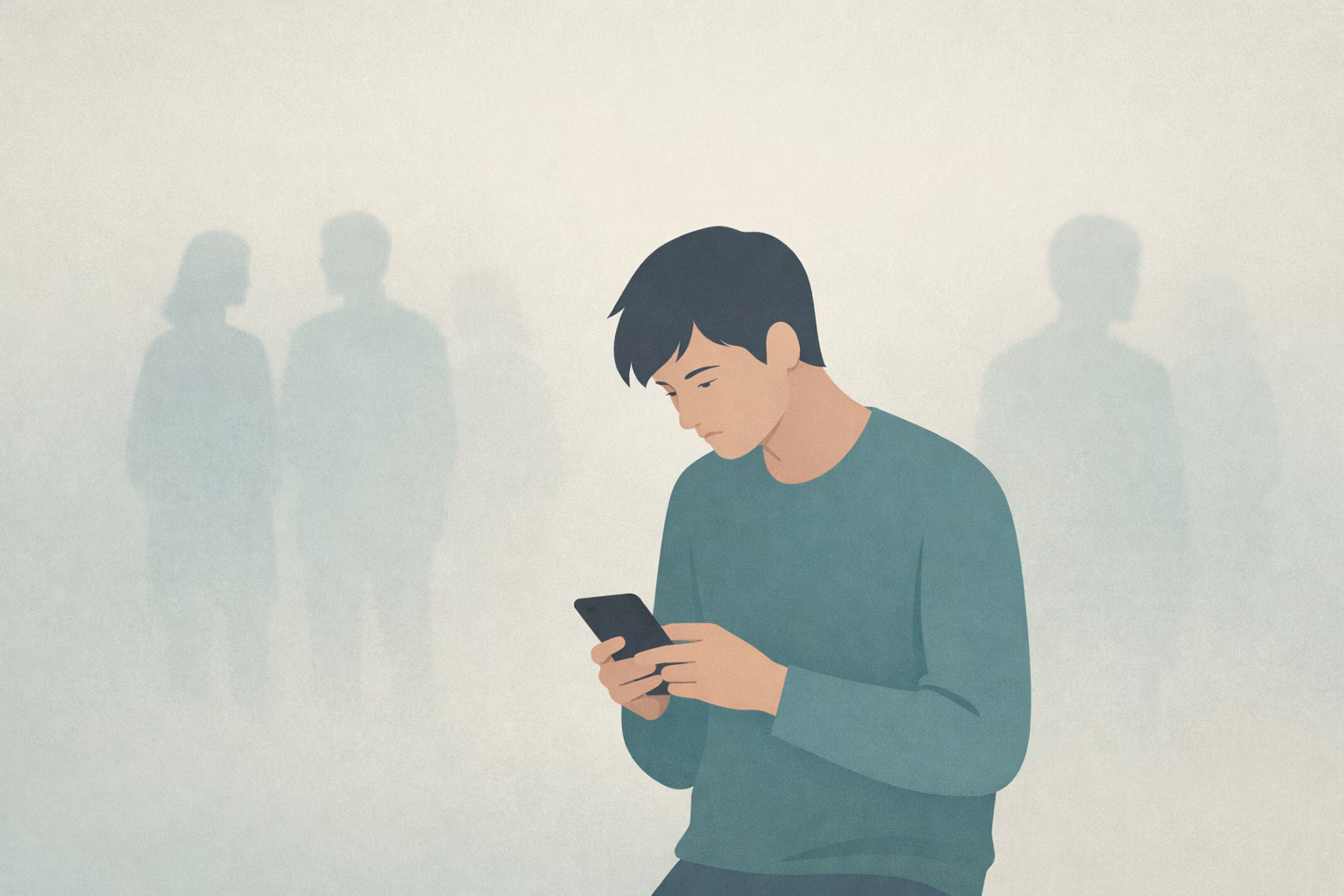
Sexual overstimulation weakens emotional intimacy.
Read articleGhosting is a modern Freeze Response. In the Dojowell framework, the emotional friction of a difficult conversation is perceived by your Threat & Safety System as a high-load survival risk. Digital withdrawal provides an instant "Avoidance Loop" relief—the tension vanishes the moment you close the app. However, because the loop never reaches a "Done Signal" of resolution, you are left with "Narrative Debt" and lingering guilt. Reclaiming integrity starts with small, incremental honesty that signals to your brain that conflict is a survivable state.
This is an Attachment Alarm. Your Attachment & Belonging System evolved for face-to-face safety cues. Digital communication lacks these cues, leaving your "Social System" in a state of permanent uncertainty. A delayed reply is interpreted by your ancient brain as a "loss of tribe." You fall into an Avoidance Loop of constant checking to find relief from the panic. Stability returns when you move from "Digital Dependency" to "Relational Grounding"—recognizing the biological mismatch of texting and building trust in lived, physical presence.
You are experiencing Partner Hyper-Optimization. In the Hypermodern Era, we treat everything as a metric. Your Status & Control System takes over, using a "Product Checklist" to manage the fear of making a wrong choice. This is a Power Loop that keeps you in your head (Executive System) and out of your body (Social System). Connection returns when you shift from "Assessment" to "Presence," allowing curiosity and shared emotional growth to create the "density" that metrics cannot capture.
This is a structural mismatch between biology and environment. High-intensity digital content provides a "Reward Spike" that a child's developing Executive System cannot regulate. When the screen is removed, the system experiences a "Dopamine Crash," leading to meltdowns. Recovery involves restoring Co-Regulation—using your own calm presence to signal safety—and building routines that prioritize real-world mastery over passive consumption.
This is Parental Burnout driven by a Power Loop of "Optimal Parenting." Excessive monitoring to manage anxiety creates a state of "High-Vigilance, Low-Rest" where you never reach a state of "enoughness." Your system stays "always on," thinning your internal resources. Sustainable energy returns when you shift from "Control" to "Support," allowing both yourself and your child the "White Space" needed for natural integration and resilience.
When parents and kids get dysregulated by screens and isolation, the household runs on stress loops. These articles explore burnout, dysregulation, and anxious family patterns.
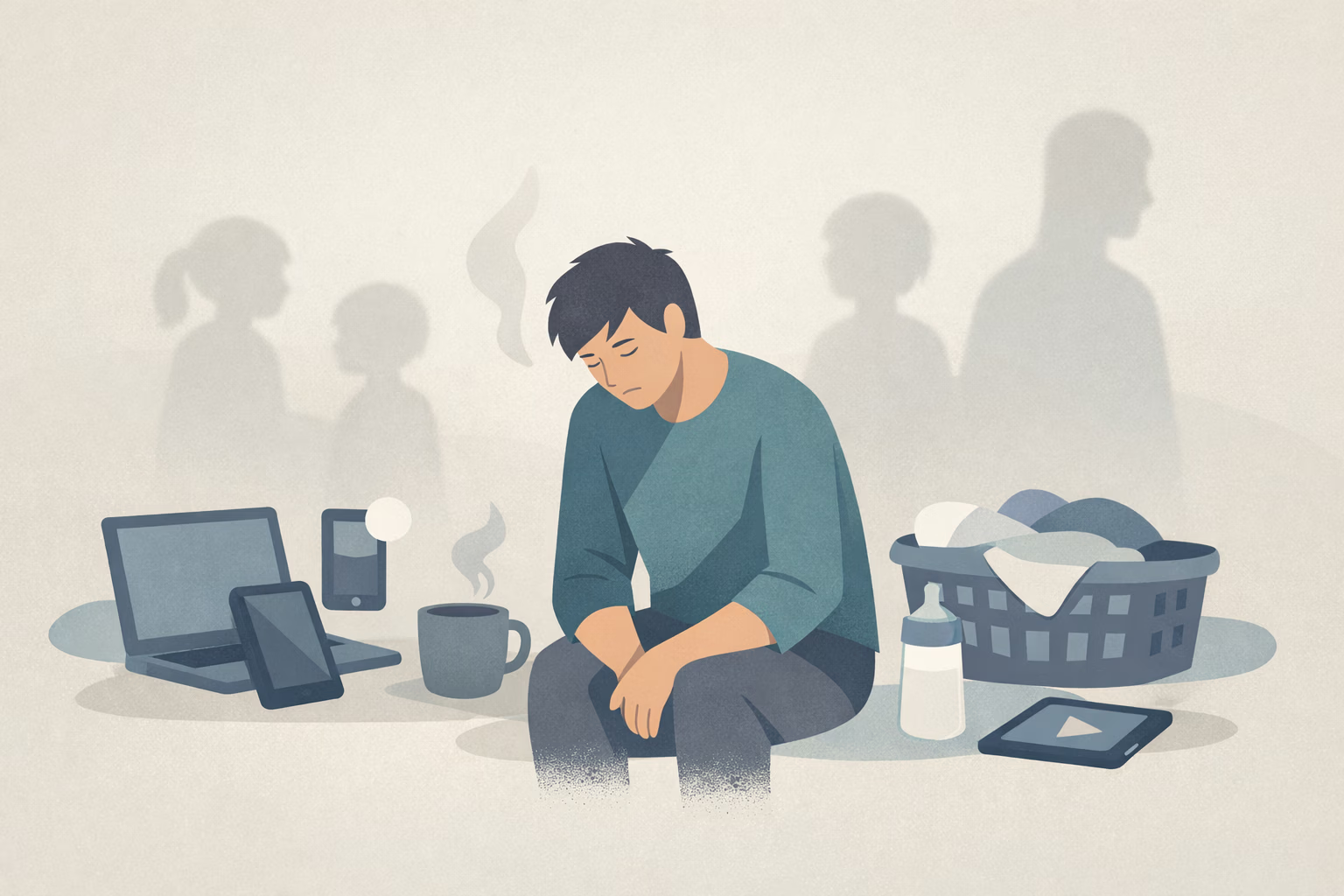
Screens + isolation → parental exhaustion.
Read article
Screens dysregulate kids’ emotional circuits.
Read article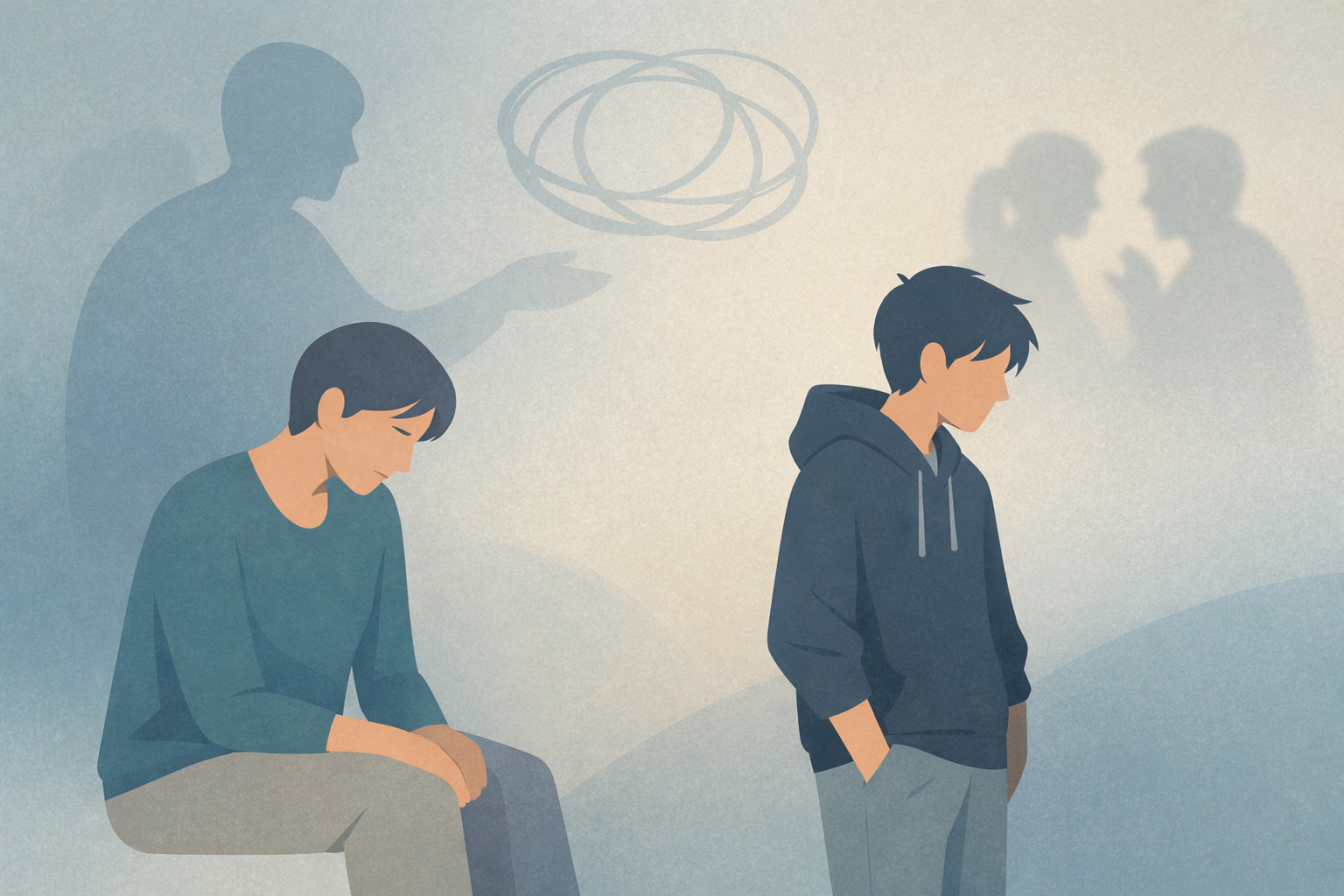
Helicopter parenting weakens resilience.
Read articleOne Quiet Window, one insight, one reflection — every Sunday