


Why Most Wellness Apps Get Behavior Change Wrong
Most apps target motivation, not identity or meaning.
Read articleDigital tools can help—or quietly reinforce loops. These articles explore when apps support regulation and habit formation, when they trigger comparison and compulsive optimization, and why meaning + identity anchoring matters for lasting change.
Most apps target motivation. But behavior change collapses when identity, meaning, and nervous system load are ignored. This section explores why retention fails—and what actually creates sustainable change.
Most apps target motivation, not identity or meaning.
Read article
Motivation decays when identity isn’t anchored.
Read article
Demand rises with identity strain + overstimulation.
Read article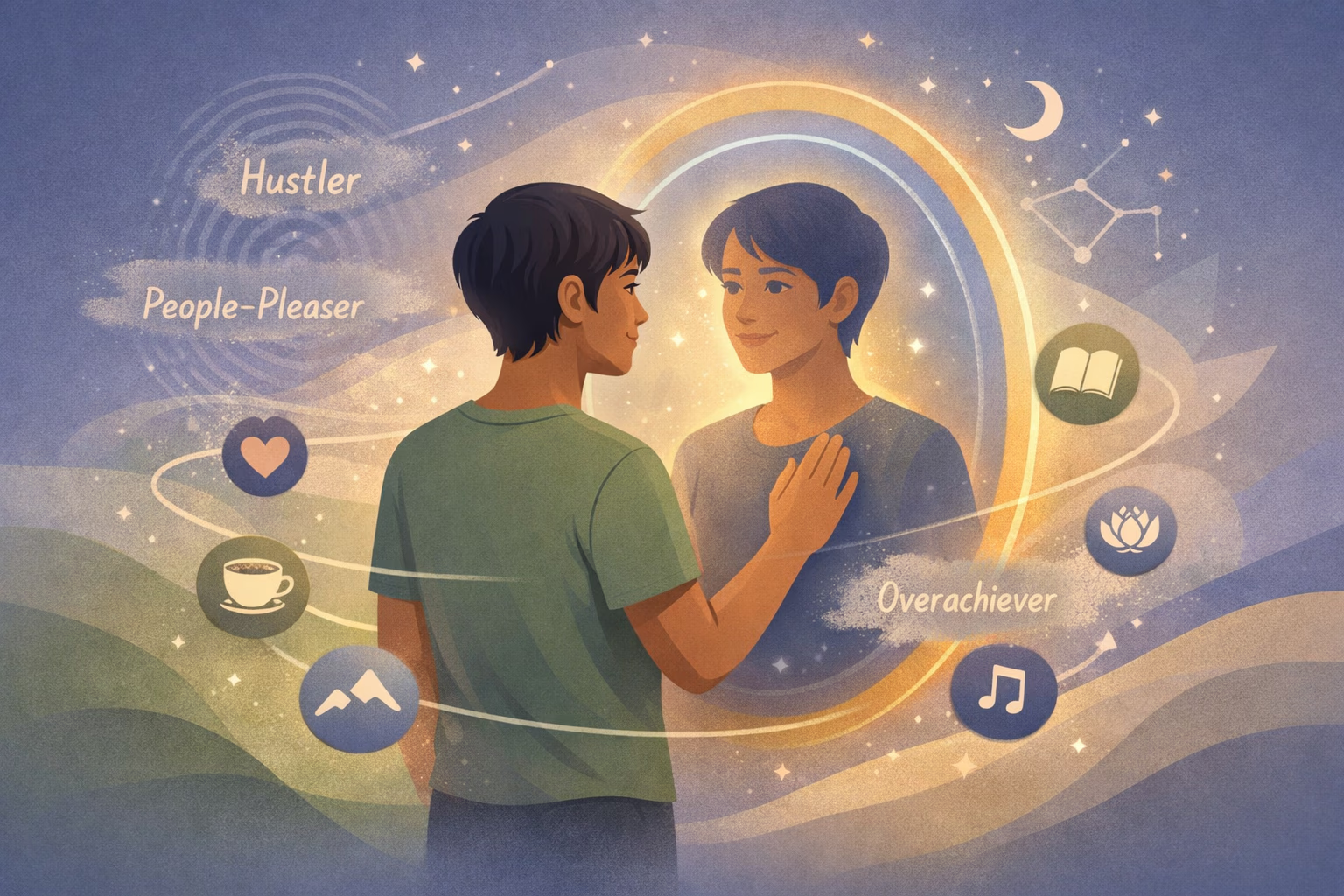
Wellness shifts from habits → identity.
Read article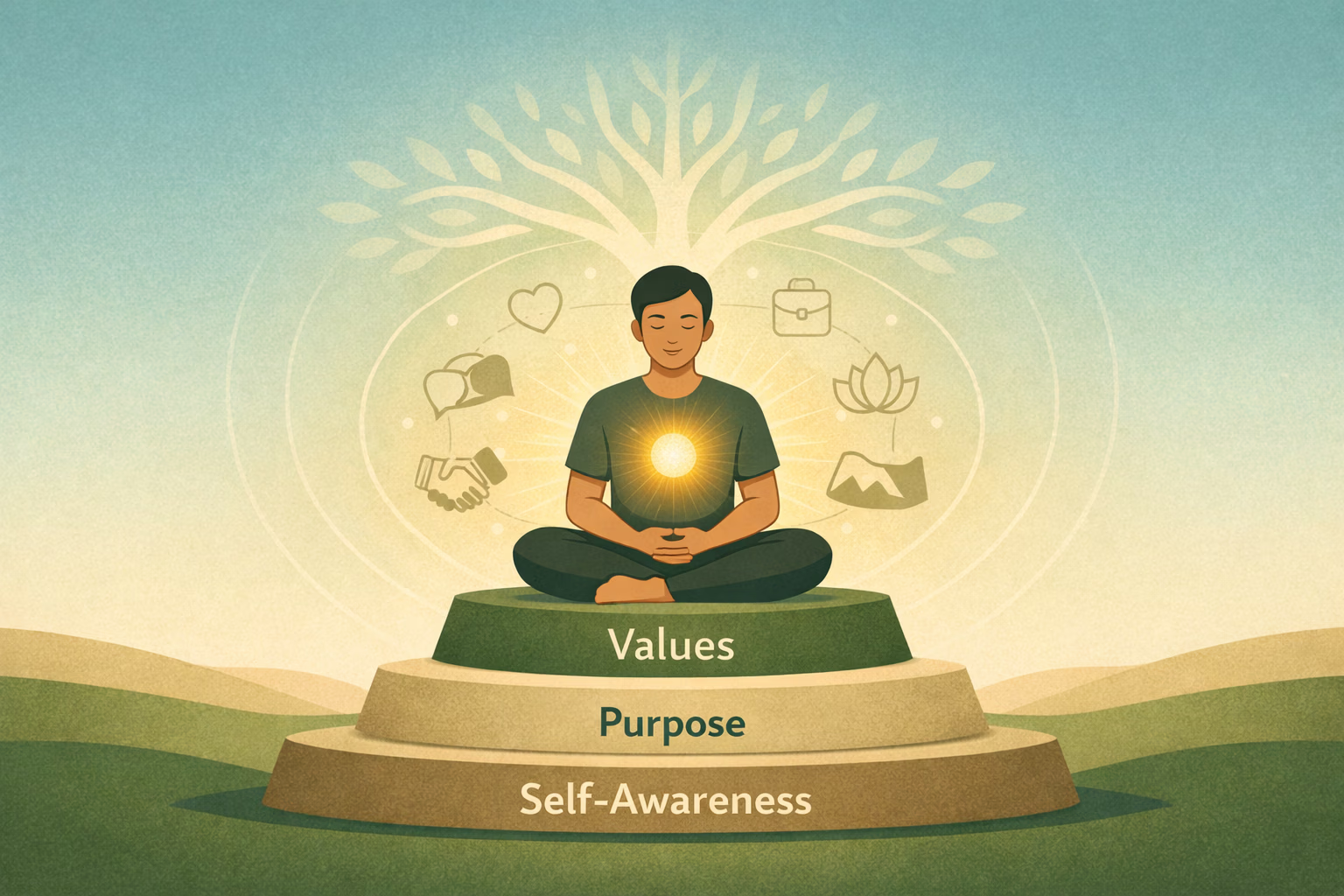
Meaning restores coherence and regulation.
Read article
Compare app categories and real behavioral impact.
Read article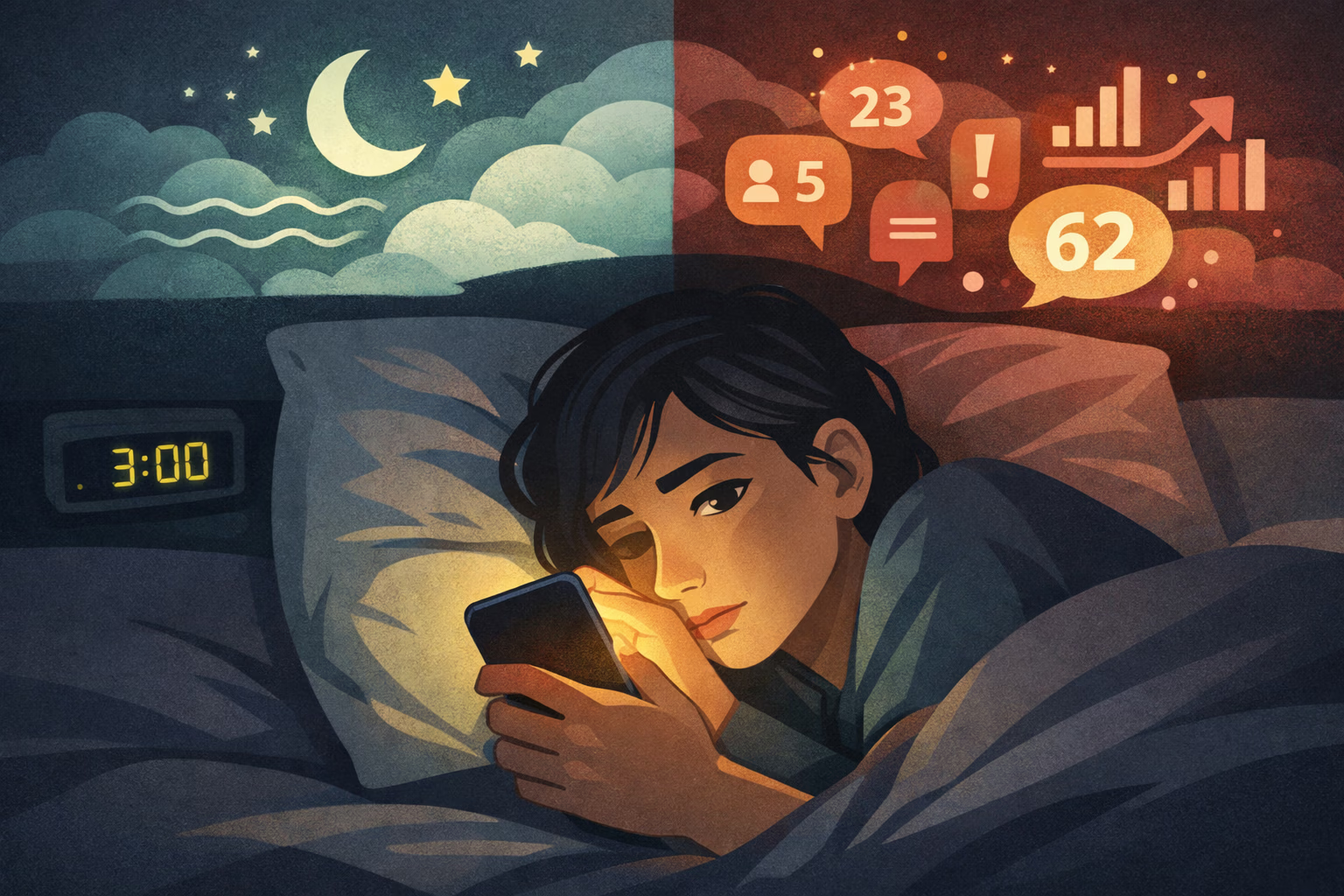
Tracking can help—or fuel vigilance.
Read article
Optimization becomes threat-driven and exhausting.
Read article
Tools work when regulation + identity align.
Read article
Detox can paradoxically reinforce dependency.
Read article
Clarity improves when load is simplified.
Read articleYou are experiencing Motivational Decay. Most apps target your "Motivation System," which is a transient emotional energy spike. When the novelty wears off, there is no Identity Anchor to sustain the habit. You haven't failed; the tool failed to address your Meaning Loop. In the Dojowell, we say people don't abandon change—they abandon tools that don't reflect who they are becoming.
It depends on your Primary Loop. If you use a sleep app to "control" your rest, you enter a Power Loop that triggers Orthosomnia (sleep anxiety). Checking your "score" in the morning can actually increase your cortisol if the number is low, creating a self-fulfilling prophecy of exhaustion. Tracking is only useful when it informs your intuition rather than replacing your body’s own signals of readiness.
Calm is useful—but it isn’t always transformation. This section explores when mindfulness becomes a real daily anchor, and when app-based calm stays symptom-level without deeper identity + meaning change.
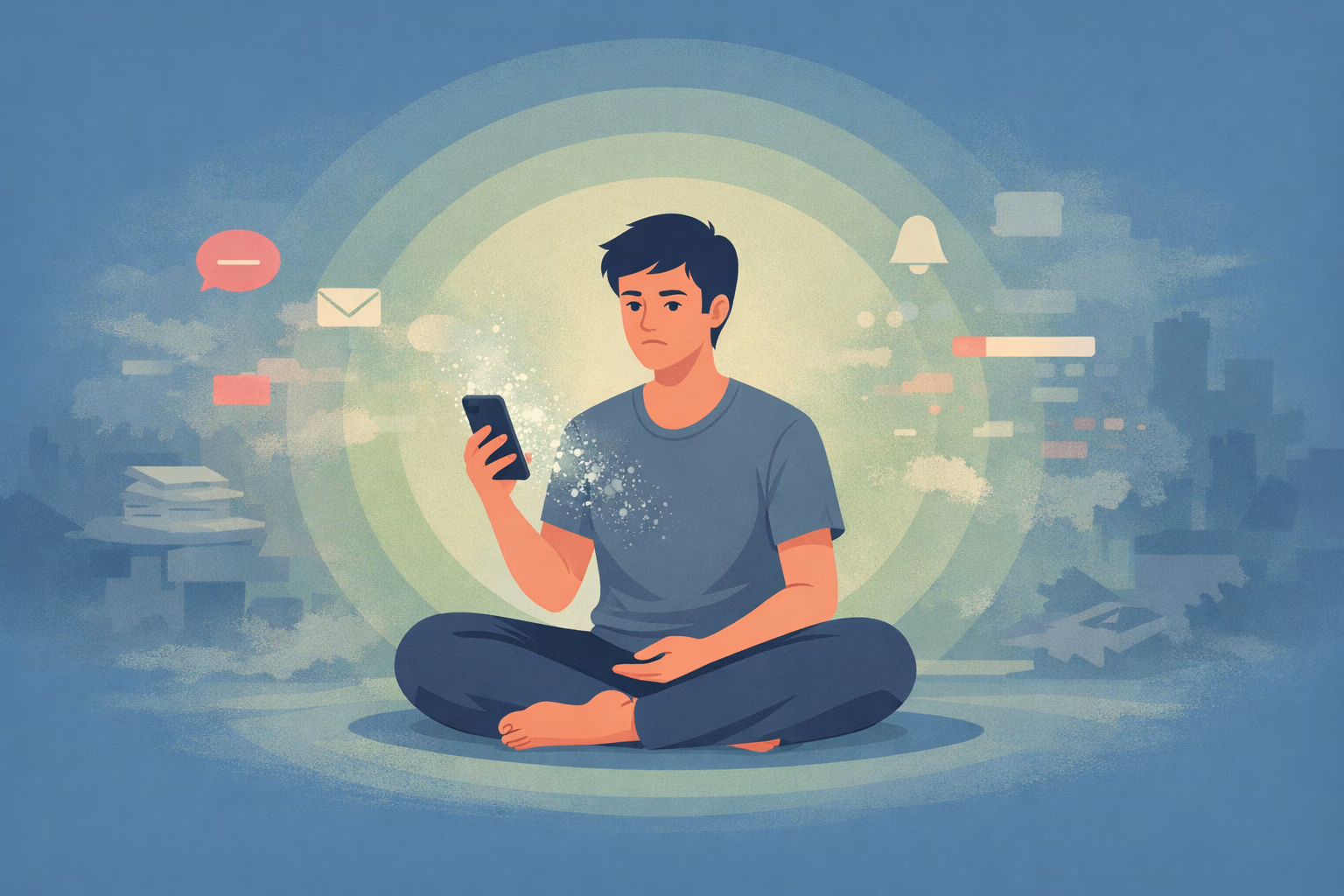
Apps calm symptoms but don’t shift identity/meaning.
Read article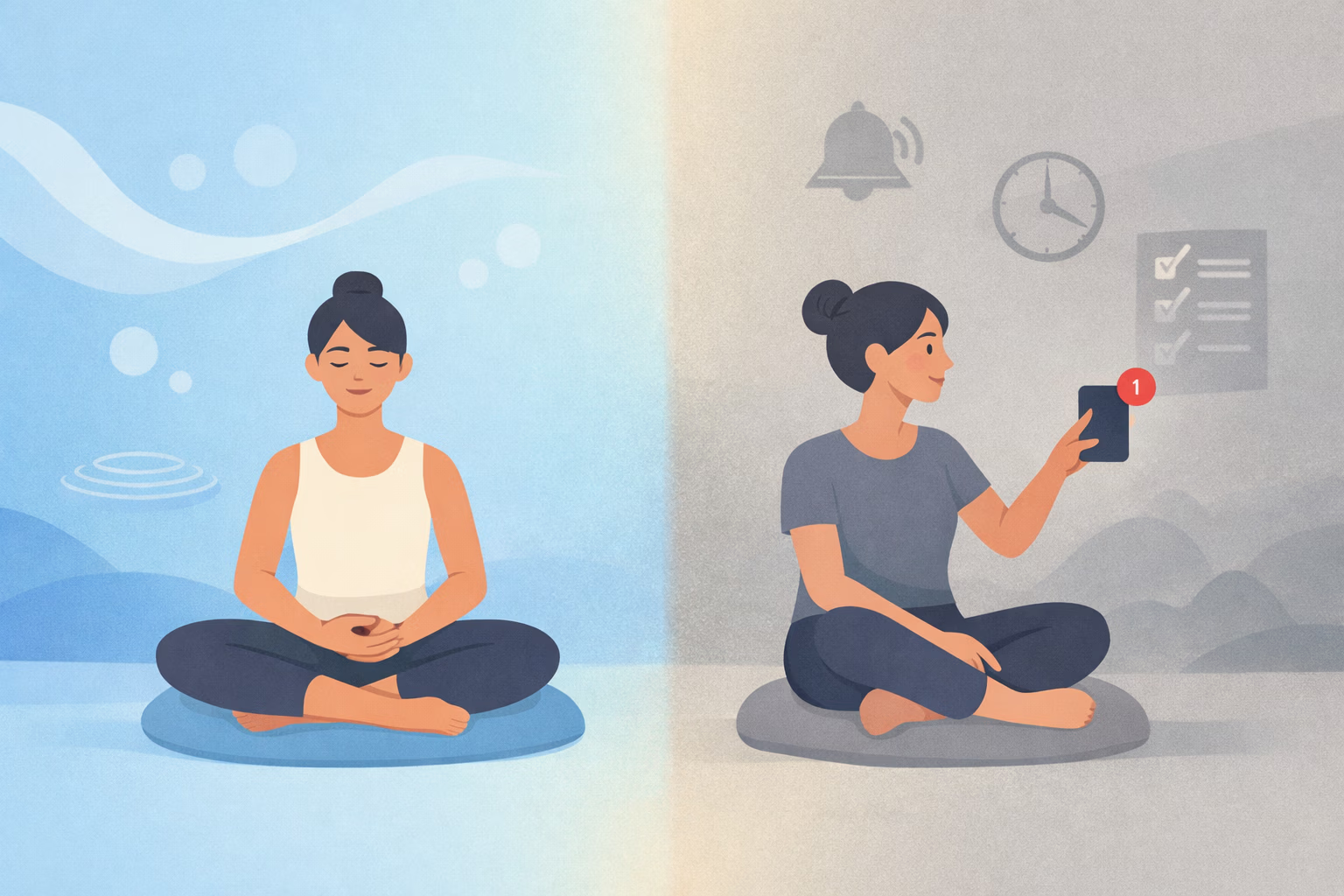
Calm improves; identity may not.
Read article
Awareness loops reduce reactivity over time.
Read article
Relief helps—but patterns need deeper shifts.
Read article
Structure determines consistency and outcomes.
Read article
Programs work by reinforcing identity.
Read articleYou are experiencing the Temporary Fix of state-regulation. Most apps target your Biology & Health System to lower cortisol, but they don't rewire your Identity. This is an Avoidance Loop where calm is used to escape stress rather than transform it. In the Dojowell, we say that true change happens when calm is paired with Orientation—using that quiet moment to ask if your upcoming actions align with your self-authored purpose.
Breathing tools are Regulatory Scaffolds. They are excellent for immediate physiological relief, but they are not identity-changing solutions. If you use breathing to "survive" a life you don't like, the tension will return the moment the session ends. To change patterns, breathing must be integrated into a broader Meaning Loop where you choose a new way of being.
Yes, because of Cognitive Attention training. A random session is a "Pleasure Loop" of relaxation; a structured program is a Meaning Loop that builds the "Attention Muscle." A program provides the consistency needed to transition from needing an app to self-directed awareness, eventually allowing your values to guide your focus without a digital prompt.
You are likely stuck in a Power Loop, trying to "control" your mind. Meditation isn't about stopping thoughts; it's about Attention Orientation. When you try to force stillness, your Threat & Safety System interprets the distraction as a failure. We reframe mindfulness as a daily anchor—a way to notice your thoughts without letting them define your identity.
Tools can support regulation, clarity, and emotional processing—but they can’t fully replace attunement. This section explores where apps genuinely help, and where their limits matter.

Writing externalizes loops for clarity.
Read article
Gratitude reshapes reward circuits over time.
Read article
Calm needs somatic + cognitive integration.
Read article
Structure helps—but can’t replace attunement.
Read article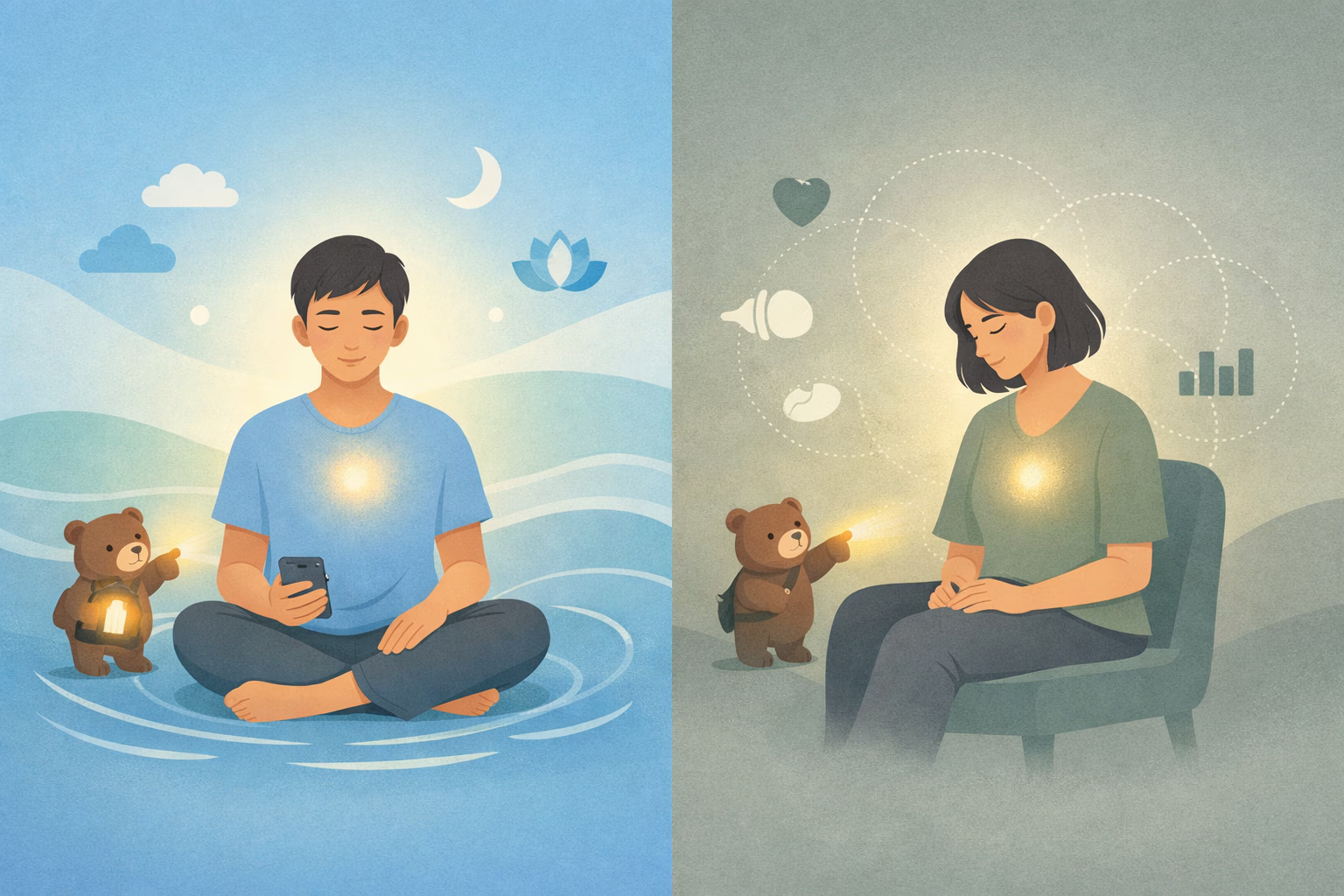
Healing requires integration + meaning.
Read article
Frameworks enable micro-exposure + tolerance.
Read article
Support helps—but lacks human attunement.
Read article
Somatic + breath sequences regulate state.
Read article
Structure helps; empathy limits remain.
Read articleYou are Externalizing Thought Loops. When thoughts stay inside, they spin in your Executive System, consuming "Working Memory" and creating mental fog. Writing them down moves the data from your head to a "Physical Space," allowing your Narrative System to view them as an observer rather than a victim. This breaks the Avoidance Loop of rumination and allows you to see the patterns you usually miss.
They only work if they move from "Mechanical Logging" to Reward Circuitry Rewiring. If you just check a box, it's a Power Loop of compliance. But if you truly "Savor" the entry, you are training your Pleasure System to notice signals of safety and abundance. At Dojowell, we call this Somatic Anchoring—proving to your Threat & Safety System that you are currently provided for, which allows your system to de-escalate.
If UX ignores avoidance and nervous system state, users churn. This section explores how to design tools that reduce overwhelm, increase follow-through, and guide people out of loops instead of reinforcing them.
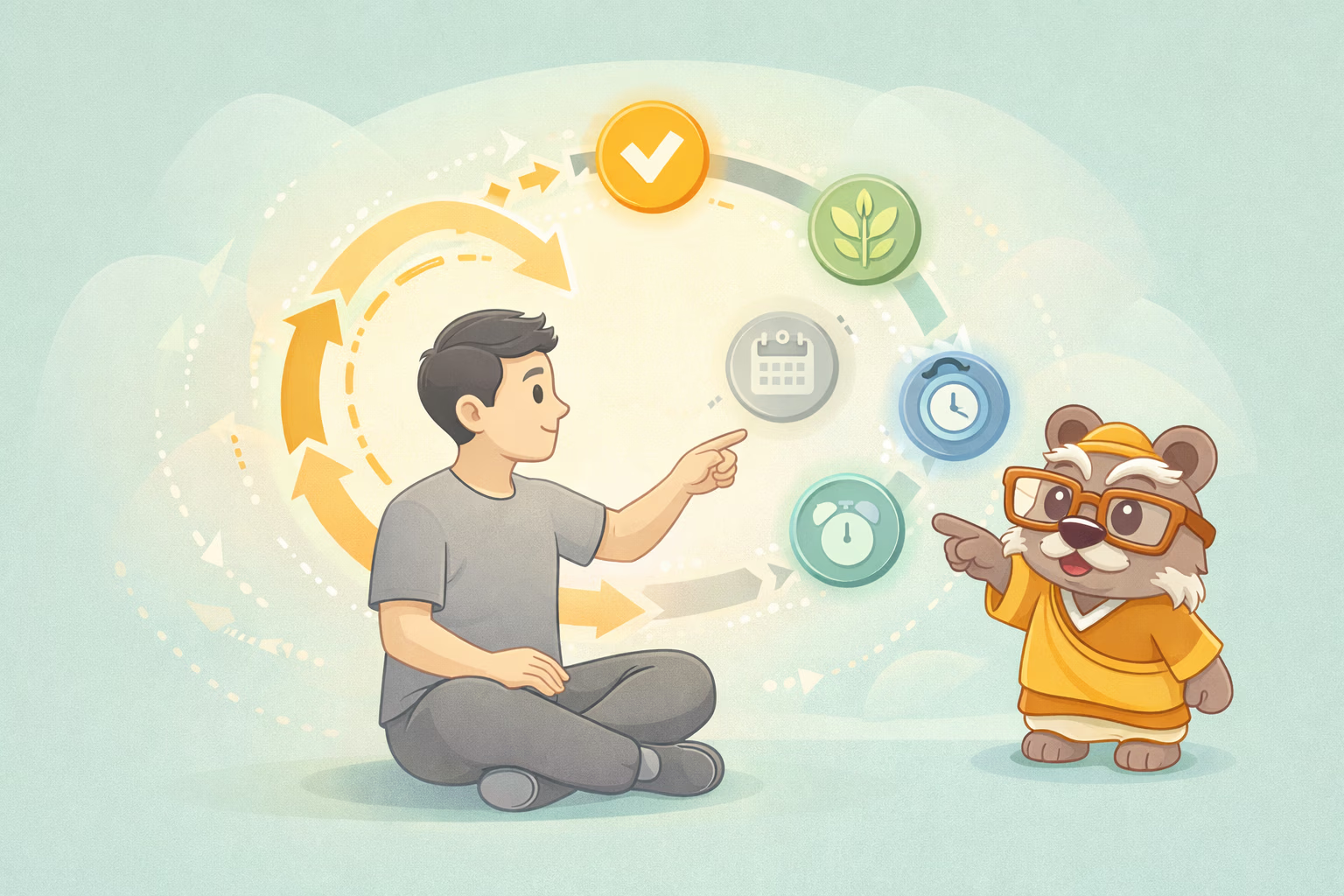
Avoidance-aware UX improves engagement.
Read article
Guides reduce overwhelm with structure.
Read articleOne Quiet Window, one insight, one reflection — every Sunday