

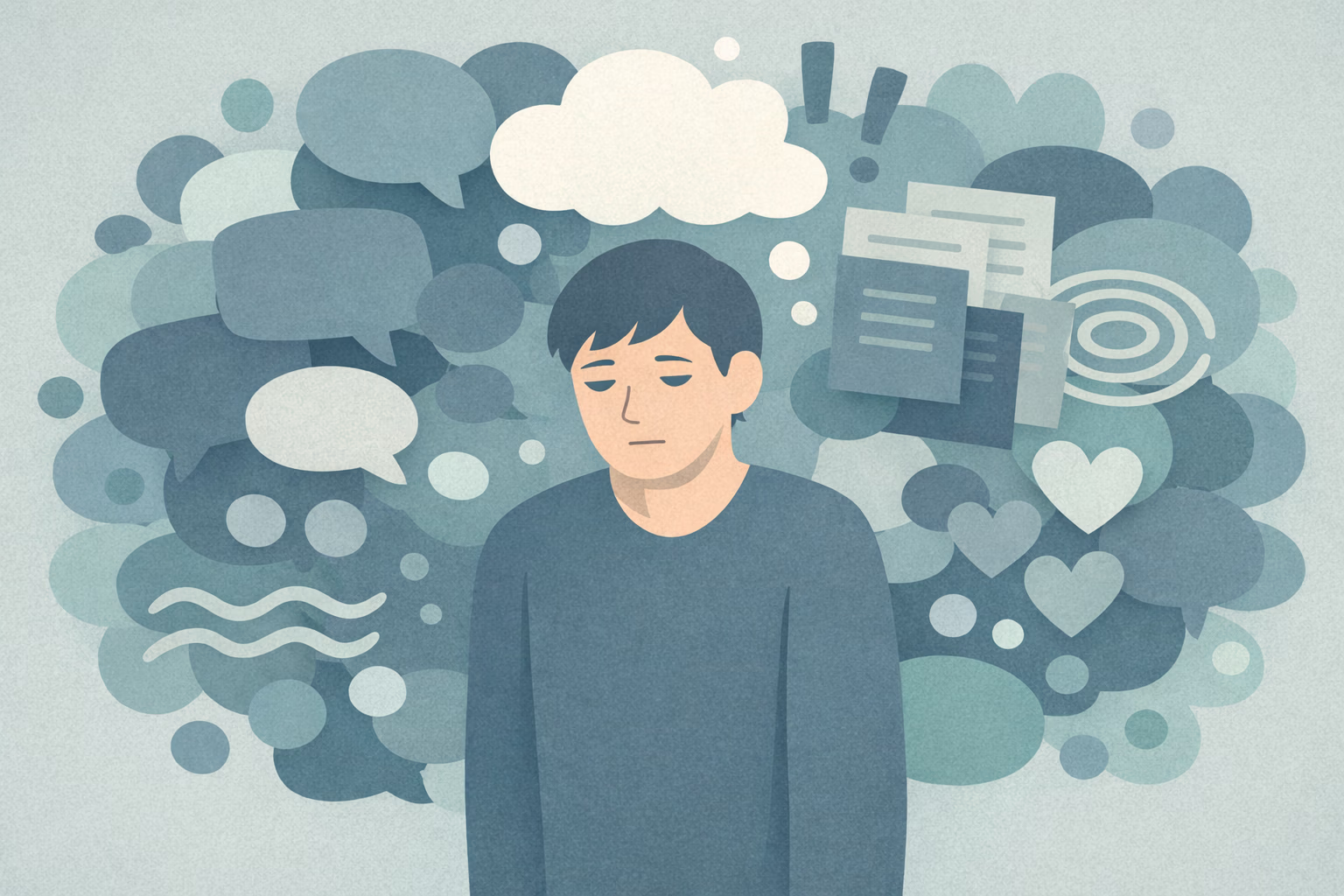
Overstimulation Symptoms Explained
Learn overstimulation symptoms and how to calm your nervous system.
In context: Presence is a structural state of being “here,“ not a reaction to “that.“ Many people confuse presence with “engagement“ in an activity. However, true presence exists even in total stillness. When stimulation drops, you are left with the raw data of your own existence—your breath, your weight, the ground.
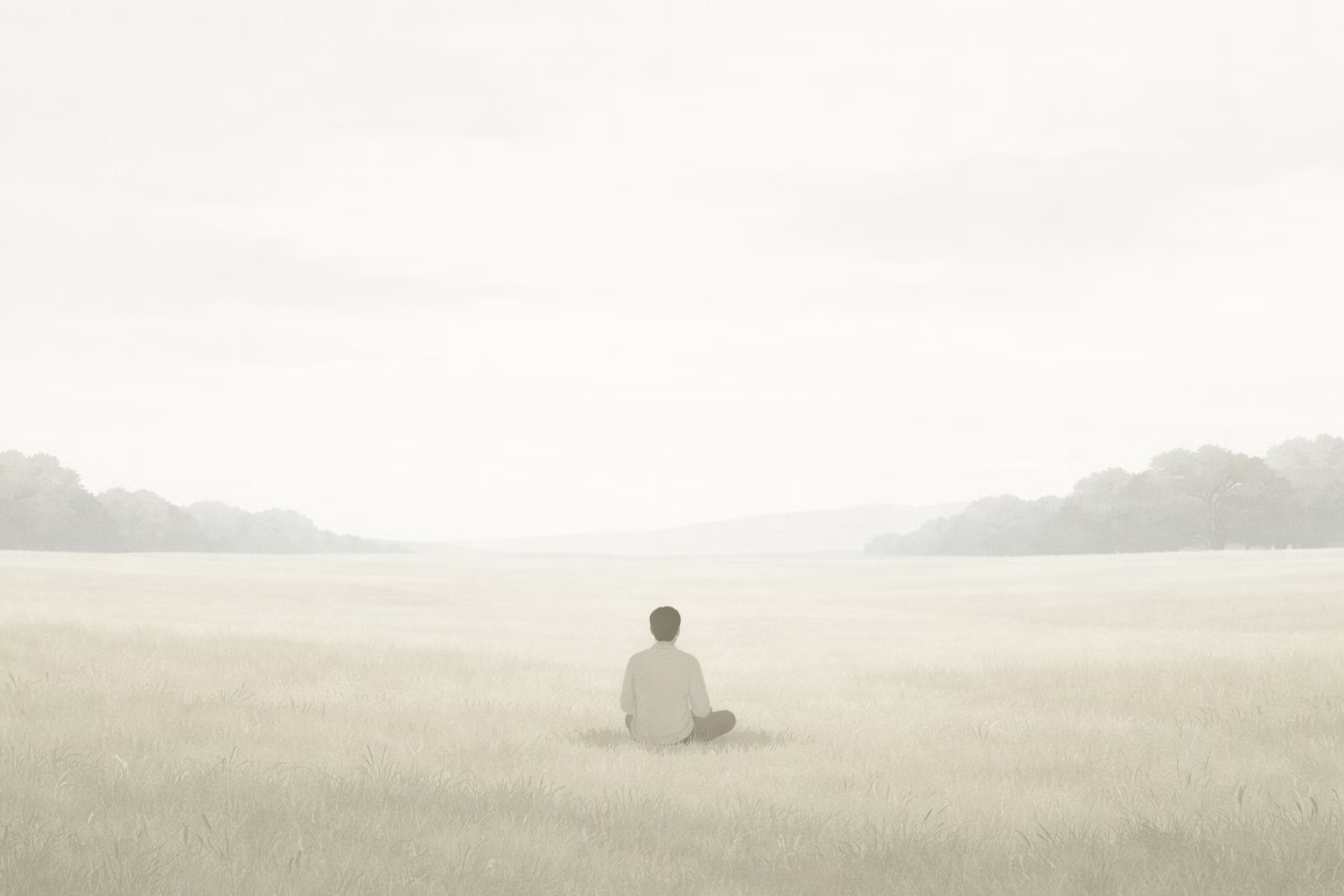
You are here without stimulation.
No input arrives to validate the moment.
The field holds you anyway.
Presence does not require engagement to be real.
Let the sky remain neutral.
Practice presence without input in DojoWell.
Explore DojowellArticles exploring the psychology behind these patterns.
Learn overstimulation symptoms and how to calm your nervous system.
Understand why rest isn’t enough and recovery practices matter more.
Learn how to expand emotional capacity safely over time.
Presence is a structural state of being "here," not a reaction to "that." Many people confuse presence with "engagement" in an activity. However, true presence exists even in total stillness. When stimulation drops, you are left with the raw data of your own existence—your breath, your weight, the ground. In the Meaning Density Model™, this "pure presence" is the highest density state because it is the most coherent and least fragmented.
Business is a state of "distributed attention," where your identity is spread across multiple open loops. Presence without input is "concentrated attention." It feels different because your Reward & Pursuit system is not being fed. Initially, this can feel like a "lack," but it quickly matures into a sense of "solidity." You are no longer chasing a ghost; you are inhabiting the physical reality of your own body, which is the foundation of a stable self.
One Quiet Window, one insight, one reflection — every Sunday